Reflective striping and markings play a crucial role in enhancing safety and visibility on roadways, parking lots, and various other surfaces. These high-visibility markings are designed to reflect light, making them easily seen during low-light conditions, such as at night or in inclement weather. Their primary purpose is to guide drivers and pedestrians, helping to prevent accidents and improve overall traffic flow. As urban areas continue to grow and evolve, the importance of maintaining these markings cannot be overstated. In addition to their safety benefits, reflective striping and markings contribute to the organization of traffic and pedestrian movement.
They delineate lanes, indicate crosswalks, and provide essential information about speed limits and other regulations. However, over time, these markings can fade due to wear from weather conditions, traffic volume, and other environmental factors. This degradation not only diminishes their effectiveness but can also lead to increased risks on the road. Understanding the maintenance requirements for reflective striping and markings is vital for ensuring their longevity and effectiveness. Regular inspections and timely maintenance can help preserve their reflective properties and visibility.
This section will delve deeper into the specific maintenance practices necessary to keep these critical safety features in optimal condition, ensuring that they continue to serve their purpose effectively.
Importance of Reflective Striping and Markings
Reflective striping and markings play a vital role in enhancing road safety and traffic management. Their primary function is to improve visibility, especially during low-light conditions such as nighttime or inclement weather. This increased visibility is crucial for both drivers and pedestrians, as it helps to prevent accidents and ensures that everyone on the road can navigate safely.One of the key benefits of reflective markings is their ability to guide drivers effectively. Well-maintained reflective striping provides clear lane delineation, which is essential for maintaining proper traffic flow.When drivers can easily see where lanes begin and end, they are less likely to veer off course, reducing the risk of collisions.
- Enhanced Safety: Reflective striping significantly reduces the likelihood of accidents by making road boundaries more visible.
- Increased Awareness: Brightly marked roads alert drivers to potential hazards, such as curves or pedestrian crossings.
- Traffic Management: Effective markings help in organizing traffic, ensuring smoother transitions at intersections and reducing congestion.
Types of Reflective Striping and Markings
Reflective striping and markings play a crucial role in enhancing visibility and safety across various environments.Understanding the different types of reflective markings is essential for determining their maintenance requirements. Here are some common types:
- Road Striping: This includes lane markings, crosswalks, and directional arrows on roadways. Typically made from durable materials like thermoplastic or epoxy, these markings often incorporate glass beads to enhance reflectivity.
- Parking Lot Markings: These are designed to guide vehicle movement and parking. Commonly used materials include water-based paints and thermoplastics, which can be customized for specific layouts.
Regular maintenance is necessary to ensure they remain visible and effective.
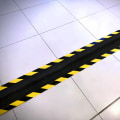
- Safety Markings: Found in industrial settings, these markings indicate hazards or safe pathways. They often use high-visibility reflective paint to ensure they are seen in low-light conditions.
- Temporary Markings: Used for construction zones or events, these markings are typically made from removable paint or tape. Their maintenance involves regular checks to ensure they remain intact and visible during their short lifespan.
By recognizing the specific requirements of each type, property managers and road authorities can ensure optimal visibility and safety for all users.
Maintenance Requirements for Reflective Striping and Markings
Maintaining reflective striping and markings is crucial for ensuring their effectiveness and longevity. Regular upkeep not only enhances visibility but also contributes to overall road safety. Here are some key maintenance requirements:- Regular Inspections: Conduct routine inspections to assess the condition of reflective striping. Look for signs of wear, fading, or damage caused by weather conditions or heavy traffic.
- Cleaning: Dirt, debris, and grime can accumulate on road markings, diminishing their reflectivity.
Implement a cleaning schedule that includes pressure washing or using specialized cleaning agents to restore visibility.
- Repainting Schedules: Depending on traffic volume and environmental factors, repainting may be necessary every 1 to 3 years. Utilize high-quality reflective paint that meets local regulations to ensure optimal performance.
- Reflectivity Testing: Periodically test the reflectivity of the markings using a retroreflectometer. This device measures how much light is reflected back to drivers, helping determine if repainting is needed.
By prioritizing the upkeep of road markings, municipalities can enhance safety for all road users.
Factors Affecting the Longevity of Reflective Striping and Markings
The longevity of reflective striping and markings is influenced by several critical factors that can significantly affect their performance and lifespan. Understanding these factors is essential for maintaining effective road safety measures.- Weather Conditions: Extreme weather can take a toll on the durability of reflective markings. Prolonged exposure to rain, snow, and UV rays can lead to fading and deterioration. For instance, heavy rainfall can wash away the reflective materials, while intense sunlight can cause them to lose their brightness over time.
- Traffic Volume: Areas with high traffic volumes experience more wear and tear on reflective striping.
The constant friction from vehicles can erode the markings, reducing their visibility. In contrast, low-traffic areas may see less degradation, allowing the markings to last longer.
- Material Quality: The type of materials used in the application of reflective striping plays a crucial role in their longevity. High-quality materials that are specifically designed for durability and reflectivity tend to withstand environmental stressors better than lower-quality alternatives.
- Surface Preparation: Proper surface preparation before applying reflective markings is vital. If the surface is not adequately cleaned or primed, it can lead to poor adhesion, causing the markings to peel or fade prematurely.
- Maintenance Practices: Regular inspections and maintenance can extend the life of reflective striping.
Timely repairs and reapplication of materials in areas showing signs of wear can help maintain visibility and effectiveness.
Best Practices for Maintaining Reflective Striping and Markings
Maintaining reflective striping and markings is crucial for ensuring road safety and visibility. Here are some best practices to keep these markings effective over time:- Regular Inspections: Conduct routine inspections to assess the condition of the striping. Look for signs of wear, fading, or damage caused by weather or heavy traffic.
- Cleaning: Dirt, debris, and grime can diminish the reflectivity of markings.
Regularly clean the surfaces using appropriate methods, such as pressure washing or using specialized cleaning solutions that do not damage the reflective materials.
- Timely Repairs: Address any damage immediately. If a section of striping is worn out or missing, replace it promptly to maintain clear guidance for drivers.
- Use Quality Materials: When applying new reflective striping, choose high-quality materials that are designed for durability and visibility. This will reduce the frequency of maintenance needed.
- Seasonal Considerations: Be mindful of seasonal changes that can affect the longevity of markings. For instance, snow plowing can damage striping; therefore, consider applying more durable materials in areas prone to harsh winter conditions.
By prioritizing maintenance, you ensure that these vital road features remain visible and effective for all road users.
Common Issues with Reflective Striping and Markings
Reflective striping and markings are essential for road safety, but they can encounter several common issues that may compromise their effectiveness. Understanding these problems is crucial for maintaining visibility and ensuring safety on the roads.- Deterioration of Reflective Paint: Over time, exposure to harsh weather conditions, UV rays, and heavy traffic can lead to the deterioration of reflective paint. This deterioration can result in a significant loss of reflectivity, making it difficult for drivers to see the markings at night or in low-light conditions.
- Fading: The color of reflective striping can fade due to prolonged exposure to sunlight and environmental factors. Faded markings are less visible and can confuse drivers, leading to potential accidents.
- Cracking and Peeling: Reflective materials may crack or peel away from the surface due to temperature fluctuations and wear from vehicle tires.
This not only affects visibility but also requires timely repairs to prevent further damage.
- Debris Accumulation: Dirt, oil, and other debris can accumulate on reflective markings, reducing their effectiveness. Regular cleaning is necessary to maintain their visibility and ensure they serve their intended purpose.
- Improper Installation: If reflective striping is not installed correctly, it may not adhere properly or align with road safety standards. This can lead to premature wear and necessitate early replacement.
FAQs About Reflective Striping and Markings Maintenance
Maintaining reflective striping and markings is crucial for ensuring road safety and visibility.Here are some frequently asked questions regarding their maintenance:
What are the common maintenance issues with reflective striping?
Common issues include:- Fading: Over time, exposure to sunlight and weather can cause the reflective properties to diminish.
- Cracking: Temperature fluctuations can lead to cracks in the markings, reducing their effectiveness.
- Debris accumulation: Dirt, oil, and other substances can obscure the markings, making them less visible.
How often should reflective striping be maintained?
The frequency of maintenance depends on several factors, including:- Traffic volume: Heavily trafficked roads may require more frequent inspections and maintenance.
- Environmental conditions: Areas with harsh weather conditions may see faster deterioration.
- Material type: Different materials have varying lifespans; for instance, thermoplastic markings generally last longer than paint.
What are the signs that reflective striping needs replacement?
Look for these indicators:- Poor visibility: If the markings are hard to see at night or in low-light conditions, they may need replacement.
- Significant wear: If the markings are worn down to the point where they no longer serve their purpose, it’s time for a refresh.
- Inconsistent reflectivity: If some sections reflect light better than others, it indicates uneven wear that requires attention.
Can I perform maintenance on reflective striping myself?
While minor cleaning can be done by property owners, it’s advisable to hire professionals for significant repairs or replacements. They have the right tools and expertise to ensure that the work meets safety standards.In summary, regular maintenance of reflective striping and markings is essential for road safety. By addressing these common questions, we hope to provide clarity on how to keep these vital road features in optimal condition.Conclusion: Ensuring Safety Through Proper Maintenance of Reflective Striping and Markings
In conclusion, the maintenance of reflective striping and markings is crucial for ensuring safety on roadways and in various environments. Regular upkeep not only enhances visibility but also plays a significant role in preventing accidents and improving overall traffic flow.Key points to consider include:- Regular Inspections: Conducting routine checks can help identify wear and tear, fading, or damage to the reflective materials.
Early detection allows for timely repairs or replacements, ensuring that the markings remain effective.
- Cleaning: Dirt, debris, and environmental factors can diminish the reflectivity of striping. Regular cleaning helps maintain their visibility, especially in high-traffic areas where safety is paramount.
- Material Quality: Investing in high-quality reflective materials can reduce maintenance frequency. Durable products are designed to withstand harsh weather conditions and heavy usage, providing long-lasting visibility.
- Compliance with Standards: Adhering to local and national regulations regarding reflective striping ensures that markings meet safety requirements. This compliance not only protects drivers but also minimizes liability for municipalities and organizations.
By prioritizing maintenance, we contribute to safer roads and environments for everyone. Regular attention to these details fosters a culture of safety that benefits all users, from pedestrians to motorists.