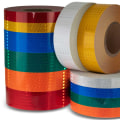
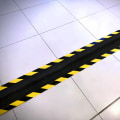
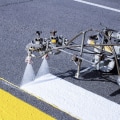
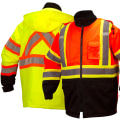
Reflective striping and markings play a crucial role in enhancing safety across various environments, particularly on roadways and in industrial settings. These visual aids are designed to reflect light, making them highly visible during low-light conditions, such as nighttime or inclement weather. By utilizing materials that possess reflective properties, these markings ensure that drivers, pedestrians, and workers can easily identify critical information, such as lane boundaries, hazard zones, and directional cues. The importance of reflective striping cannot be overstated. They serve not only as a guide for safe navigation but also as a deterrent against accidents.
For instance, roadways adorned with reflective markings significantly reduce the likelihood of collisions by clearly delineating lanes and alerting drivers to potential hazards. In industrial environments, reflective striping is essential for marking pathways and equipment zones, thereby minimizing the risk of workplace injuries. In essence, understanding what reflective markings are and their purpose is vital for anyone involved in safety management or urban planning. These markings are not merely decorative; they are a fundamental component of safety infrastructure that contributes to the overall well-being of individuals in various settings. As we delve deeper into this topic, we will explore the specific benefits and applications of reflective striping and markings in enhancing safety measures.
The Science Behind Reflective Materials
Understanding the science behind reflective materials is crucial for appreciating how reflective striping and markings enhance safety on roads and in various environments.These materials are designed to reflect light back to its source, significantly improving visibility in low-light conditions.
How Reflective Materials Work
Reflective materials operate on the principle of retroreflectivity, which means they redirect light back towards its origin. This is achieved through the use of tiny glass beads or prismatic elements embedded in the material. When light from a vehicle's headlights strikes these beads, it is reflected back towards the driver, making the markings highly visible even from a distance.Types of Reflective Materials
- Glass Bead Technology: This is one of the most common types used in road markings. The glass beads are coated with a reflective material that enhances their ability to bounce light back.
- Prismatic Reflectors: These utilize a series of prisms to reflect light more effectively than glass beads, providing superior visibility and brightness.
- Microprismatic Films: These films are often used in safety vests and signs, offering high levels of reflectivity while remaining lightweight and flexible.
Higher retroreflectivity values indicate better visibility, which is essential for ensuring that drivers can see road markings clearly, especially at night or during adverse weather conditions.In summary, the technology behind reflective materials plays a vital role in enhancing safety. By understanding how these materials work and their various types, we can appreciate their importance in creating safer roadways and environments for everyone.
Applications of Reflective Striping and Markings
Reflective striping and markings play a crucial role in enhancing safety across various environments. Their applications can be broadly categorized into road safety and industrial settings.Road Safety Applications
On roadways, reflective striping is essential for guiding drivers and ensuring safe navigation, especially during low-light conditions. Here are some key uses:- Lane Markings: Reflective lane markings help delineate traffic lanes, reducing the risk of collisions by providing clear visual cues.
- Crosswalks: Reflective markings at pedestrian crossings increase visibility, alerting drivers to the presence of pedestrians.
- Road Signs: Many road signs incorporate reflective materials, making them visible from a distance and improving driver response times.
Industrial Applications
In industrial settings, reflective markings are vital for maintaining safety standards.Their applications include:
- Warehouse Floors: Reflective striping on warehouse floors helps in organizing space and directing traffic flow, minimizing accidents involving forklifts and pedestrians.
- Hazard Markings: Areas that pose risks, such as loading docks or machinery zones, often utilize reflective markings to alert workers to potential dangers.
- Emergency Exits: Reflective strips leading to emergency exits ensure that employees can quickly locate safe egress points in case of an emergency.
Impact on Road Safety
Reflective striping and markings play a crucial role in enhancing road safety by significantly improving visibility for drivers, especially during low-light conditions. According to various studies, the implementation of reflective road markings can lead to a substantial reduction in accidents. For instance, a report from the Federal Highway Administration indicates that roads with high-quality reflective markings can reduce nighttime crashes by up to 50%.One of the primary benefits of road markings is their ability to guide drivers effectively.Clear and visible markings help in delineating lanes, indicating turns, and providing warnings about upcoming hazards. This guidance is particularly vital in adverse weather conditions, where visibility is compromised. The presence of reflective materials ensures that these markings remain visible even in rain or fog, thereby enhancing driver awareness.
- Accident Prevention: Reflective striping has been shown to decrease the likelihood of collisions at intersections and pedestrian crossings. A study found that intersections with reflective markings experienced a 30% decrease in accidents compared to those without.
- Increased Driver Awareness: The visibility provided by reflective striping helps drivers make better decisions on the road.
When drivers can clearly see lane boundaries and directional indicators, they are less likely to veer off course or misjudge distances.
- Enhanced Nighttime Safety: Statistics reveal that nearly 50% of all traffic fatalities occur at night. Reflective markings are essential in reducing these numbers by making road features more discernible after dark.
Reflective Markings in Construction Zones
In construction zones, reflective striping and markings play a pivotal role in ensuring the safety of both workers and motorists. These markings serve as visual cues that guide traffic and delineate safe areas for construction personnel, significantly reducing the risk of accidents.Importance of Markings in Construction
- Visibility: Reflective markings enhance visibility during low-light conditions, such as early mornings, evenings, or inclement weather.
This is crucial for alerting drivers to potential hazards ahead.
- Traffic Management: Properly placed reflective striping helps manage the flow of traffic around construction sites, directing vehicles safely away from work areas and minimizing congestion.
- Worker Safety: By clearly marking safe zones and hazardous areas, reflective striping protects workers from oncoming traffic, allowing them to focus on their tasks without the constant threat of accidents.
Additionally, incorporating reflective barriers can further protect workers by creating a physical separation between them and moving vehicles.In conclusion, the integration of reflective striping and markings in construction zones is essential for enhancing safety. By improving visibility and guiding traffic effectively, these measures not only protect workers but also contribute to smoother traffic flow around construction sites.
Regulations and Standards for Reflective Striping
The implementation of reflective striping and markings is governed by a variety of regulations and standards that ensure their effectiveness in enhancing safety. These guidelines are crucial for maintaining uniformity and reliability across different environments, from roadways to construction sites.Federal Regulations
- The Manual on Uniform Traffic Control Devices (MUTCD) sets forth national standards for traffic control devices, including reflective markings. Compliance with these standards is essential for ensuring that markings are visible under various conditions.
- The Federal Highway Administration (FHWA) also provides guidelines on the types of materials and colors that should be used for reflective striping to maximize visibility and safety.
State and Local Standards
- Many states have adopted their own regulations that align with or expand upon federal guidelines.
These may include specific requirements for the width, color, and placement of reflective striping.
- Local municipalities often have additional compliance requirements tailored to their unique traffic patterns and environmental conditions.
Compliance Requirements
- Contractors and agencies responsible for applying reflective striping must ensure that their work meets all applicable regulations. This includes using materials that are certified for durability and reflectivity.
- Regular inspections are often mandated to assess the condition of existing markings, ensuring they remain effective over time. This includes checking for wear, fading, or damage that could compromise safety.
Future Trends in Reflective Striping Technology
As we look to the future, reflective striping and markings are poised to undergo significant advancements that will further enhance safety on our roads.Innovations in materials and technology are paving the way for more effective and durable solutions.
Future of Reflective Materials
One of the most promising trends is the development of smart reflective materials. These materials can adapt to varying light conditions, ensuring optimal visibility at all times. For instance, researchers are exploring the use of photochromic pigments that change color based on the intensity of light, providing enhanced visibility during both day and night.Innovations in Striping Technology
Another exciting area of innovation is the integration of technology into striping applications. This includes the use of LED lights embedded within road markings that can illuminate during low visibility conditions, such as fog or heavy rain.These smart markings can be programmed to change patterns or colors based on traffic conditions, providing real-time information to drivers.
Smart Reflective Markings
The concept of smart reflective markings extends beyond just visibility. Future developments may include markings that communicate with vehicles equipped with advanced driver-assistance systems (ADAS). This could lead to a more interactive road environment where vehicles receive information about road conditions, hazards, or even traffic flow directly from the road itself.Moreover, advancements in sustainability are also influencing the future of reflective striping. Eco-friendly materials that maintain high reflectivity while reducing environmental impact are becoming increasingly important.This shift not only enhances safety but also aligns with global efforts towards sustainable infrastructure.In conclusion, the future of reflective striping and markings is bright, with innovations that promise to significantly improve safety on our roads. As technology continues to evolve, we can expect these advancements to play a crucial role in reducing accidents and enhancing overall traffic management.
FAQs About Reflective Striping and Markings
Reflective striping and markings play a crucial role in enhancing safety on roads, parking lots, and various public spaces. Here are some frequently asked questions that can help clarify their importance:What are the benefits of reflective striping and markings?
- Increased Visibility: Reflective materials enhance visibility during low-light conditions, making it easier for drivers and pedestrians to see important markings.
- Accident Prevention: By clearly delineating lanes, crosswalks, and other critical areas, reflective striping helps reduce the likelihood of accidents.
- Guidance for Navigation: Reflective markings provide clear guidance for drivers, especially in complex intersections or construction zones.
- Enhanced Aesthetics: Well-maintained reflective striping can improve the overall appearance of roadways and parking areas, contributing to a more organized environment.
How should reflective striping be maintained?
The maintenance of reflective striping is essential to ensure its effectiveness. Here are some key practices:- Regular Inspections: Conduct routine checks to assess the condition of the striping.
Look for fading, wear, or damage that may compromise visibility.
- Cleansing: Dirt and debris can diminish reflectivity. Regular cleaning with appropriate methods can help maintain their effectiveness.
- Reapplication: Depending on traffic volume and environmental factors, reapplication may be necessary every few years to ensure optimal performance.
Conclusion: The Essential Role of Reflective Striping in Safety
In conclusion, reflective striping and markings play a crucial role in enhancing safety across various environments, from roadways to construction sites. Their ability to improve visibility, especially in low-light conditions, cannot be overstated. By reflecting light back to its source, these markings ensure that drivers, pedestrians, and workers can easily identify hazards and navigate safely.Throughout this article, we have explored several key benefits of reflective striping:- Increased Visibility: Reflective materials significantly enhance the visibility of road signs, lane markings, and barriers during nighttime or adverse weather conditions.
- Accident Prevention: By clearly delineating lanes and pedestrian crossings, reflective markings help reduce the likelihood of accidents.
- Guidance and Direction: These markings provide essential guidance for drivers and pedestrians, ensuring they remain on the correct path.
- Compliance with Regulations: Many jurisdictions require the use of reflective materials for safety compliance, making them essential for legal adherence.
As we continue to prioritize safety in our communities, investing in high-quality reflective materials will undoubtedly lead to a reduction in accidents and an overall enhancement of safety standards.Ultimately, the integration of these safety features into our daily environments reflects a commitment to protecting lives and promoting safe practices. As technology advances, we can expect even more innovative solutions in reflective materials that will further bolster their effectiveness and application.