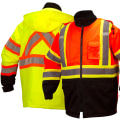
In an increasingly busy world, reflective striping and markings play a crucial role in enhancing safety and visibility across various environments. These visual aids are not just decorative; they serve a vital function in guiding traffic, delineating pedestrian pathways, and marking hazardous areas. The effectiveness of reflective materials lies in their ability to reflect light, making them visible even in low-light conditions. This characteristic is essential for ensuring that drivers and pedestrians can navigate safely, especially during nighttime or adverse weather conditions. The application of reflective striping and markings is a meticulous process that requires careful planning and execution.
Various methods are employed to ensure that these markings adhere properly to surfaces and maintain their reflective properties over time. From roadways to parking lots, the techniques used can vary significantly based on the intended use and environmental factors. Understanding these application methods is key to appreciating how reflective materials contribute to public safety. Moreover, the importance of reflective striping extends beyond mere visibility; it also encompasses compliance with safety regulations and standards. Properly applied markings can reduce accidents and improve overall traffic flow, making them an indispensable element of urban planning and infrastructure development.
As we delve deeper into the specifics of how these markings are applied, it becomes clear that their impact is profound, influencing not only individual safety but also community well-being.
What are Reflective Striping and Markings?
Reflective striping and markings are essential components in enhancing visibility and safety in various environments. These markings are designed to reflect light, making them highly visible during low-light conditions, such as at night or in inclement weather.Definition of Reflective Striping
: Reflective striping refers to the application of materials that contain tiny glass beads or prismatic elements that reflect light back to its source. This property allows for increased visibility of the markings, which is crucial for guiding and warning drivers, pedestrians, and workers.Types of Reflective Markings
- Road Markings: These include lane dividers, crosswalks, and directional arrows that help manage traffic flow.
- Vehicle Striping: Often seen on emergency vehicles, buses, and trucks, these stripes enhance the visibility of vehicles on the road.
- Safety Gear Markings: Reflective materials are also used on clothing and safety gear to ensure that workers are visible in hazardous environments.
Uses of Reflective Striping
The applications of reflective striping and markings are vast:- Traffic Safety: They play a critical role in reducing accidents by clearly delineating lanes and pedestrian areas.
- Emergency Response: Emergency vehicles utilize reflective striping to ensure they are easily seen during emergencies.
- Construction Zones: In construction areas, reflective markings help protect workers by alerting drivers to potential hazards.
Materials Used in Reflective Striping and Markings
When it comes to reflective striping and markings, the choice of materials plays a crucial role in ensuring visibility, durability, and effectiveness.Various materials are utilized in the production of these markings, each offering unique benefits.
Types of Reflective Materials
- Glass Beads: One of the most common materials used in reflective striping, glass beads are tiny spheres that reflect light back to its source. They are often embedded in paint or applied as a top layer to enhance visibility at night or in low-light conditions.
- Retroreflective Sheeting: This material is designed to reflect light back towards its source, making it highly effective for road signs and vehicle markings. Retroreflective sheeting comes in various grades, with higher grades providing better visibility and durability.
- Reflective Paints: Specially formulated paints containing reflective materials can be applied directly to surfaces. These paints are often used for road markings and can be mixed with glass beads for enhanced reflectivity.
Durability of Reflective Markings
The longevity of reflective striping and markings is significantly influenced by the materials used.For instance, high-quality retroreflective sheeting can withstand harsh weather conditions and UV exposure, maintaining its reflective properties over time. Similarly, paints that incorporate durable resins and additives can resist wear from traffic and environmental factors.In summary, selecting the right materials for reflective striping and markings is essential for ensuring their effectiveness and longevity. By understanding the different types of materials available, planners and contractors can make informed decisions that enhance safety on roads and pathways.
Methods of Applying Reflective Striping and Markings
Applying reflective striping and markings is crucial for enhancing visibility and safety on roadways, parking lots, and various surfaces. There are several methods to achieve effective application, each with its own advantages and best practices.Manual Application
Manual application is often used for smaller projects or detailed work.This method involves:
- Hand Painting: Using brushes or rollers to apply reflective paint directly onto the surface. This technique allows for precision in design but can be labor-intensive.
- Stencils: Utilizing pre-made stencils to create specific shapes or letters. This method ensures uniformity and is particularly useful for signage.
Machine Application
For larger areas, machine application is more efficient. This includes:- Striping Machines: These machines can apply thermoplastic or paint striping quickly and uniformly.
They are equipped with features that allow for adjustable widths and patterns.
- Road Marking Trucks: Specialized vehicles that can apply reflective materials over extensive distances, ideal for highways and large parking lots.
Spray Techniques
Spray techniques are increasingly popular due to their versatility and speed. Key points include:- Aerosol Sprays: These are suitable for small jobs or touch-ups, providing a quick solution for applying reflective coatings.
- Airless Sprayers: These devices can handle thicker materials and are perfect for larger applications, ensuring an even coat without the need for excessive manual labor.
Step-by-Step Guide to Applying Reflective Striping
Applying reflective striping and markings requires careful planning and execution to ensure durability and visibility. Follow this step-by-step guide to achieve optimal results.- Preparation: Begin by assessing the area where the reflective striping will be applied. Ensure the surface is clean, dry, and free from debris.
Use a pressure washer or broom to remove dirt, oil, and any loose materials.
- Marking the Area: Use chalk or a marking paint to outline where the reflective markings will go. This helps visualize the final layout and ensures accuracy during application.
- Selecting Materials: Choose high-quality reflective tape or paint that meets local regulations. Consider factors such as weather resistance and reflectivity to ensure longevity.
- Application Technique: If using tape, peel back a small section of the backing and press it firmly onto the surface, smoothing out any air bubbles as you go. For paint, use a roller or spray gun for even coverage.
Apply in thin layers to avoid drips.
- Curing Time: Allow the reflective striping to cure according to the manufacturer’s instructions. This is crucial for adhesion and effectiveness.
- Post-Application Care: Once cured, inspect the markings for any imperfections. Touch up as necessary. To maintain visibility, regularly clean the area around the markings and check for wear.
Common Challenges in Applying Reflective Striping and Markings
Applying reflective striping and markings can present several challenges that may affect the quality and longevity of the application.Understanding these challenges is crucial for ensuring effective installation and maintenance.
Environmental Conditions
One of the primary issues faced during the application of reflective markings is adverse weather conditions. Rain, snow, or extreme temperatures can hinder adhesion and drying times. To mitigate these effects, it is essential to monitor weather forecasts and schedule applications during optimal conditions. Ideally, temperatures should be above 50°F (10°C) with low humidity.Surface Preparation
The surface on which reflective striping is applied must be clean, dry, and free from debris.Contaminants such as oil, dirt, or old paint can prevent proper adhesion. Before application, conduct a thorough cleaning using appropriate methods such as pressure washing or chemical cleaners. Additionally, rough surfaces may require smoothing to ensure a uniform application.
Material Selection
Choosing the right materials is critical for successful application. Not all reflective striping products are suitable for every surface or environment.For instance, some materials may not adhere well to asphalt or concrete. Always consult product specifications and select materials designed for the specific conditions of your project.
Application Techniques
Improper application techniques can lead to uneven markings or premature wear. It is vital to follow manufacturer guidelines regarding thickness, spacing, and curing times. Using specialized equipment such as striping machines can help achieve consistent results.Regular training for personnel involved in the application process can also enhance skill levels and reduce errors.
Troubleshooting Common Issues
- Poor Adhesion: If markings peel or lift, check surface preparation and environmental conditions during application.
- Fading: Over time, reflective properties may diminish due to UV exposure. Consider using UV-resistant materials for long-lasting results.
- Cracking: This can occur if the material is applied too thickly or in unsuitable temperatures. Ensure adherence to recommended guidelines.
Maintenance and Longevity of Reflective Striping and Markings
Maintaining reflective striping and markings is crucial for ensuring their effectiveness and longevity. Regular care not only enhances visibility but also prolongs the life of the materials used.Here are some essential maintenance practices:
Cleaning Methods
- Regular Cleaning: Use a pressure washer or a soft-bristle broom with mild detergent to remove dirt, grime, and debris. Avoid harsh chemicals that can degrade the reflective properties.
- Spot Cleaning: For stubborn stains or spills, a mixture of water and vinegar can be effective. Apply it gently and rinse thoroughly.
Inspection Routines
Conducting regular inspections is vital to identify wear and tear early. Look for:- Fading: Over time, the reflective quality may diminish.
If markings appear dull, it may be time to reapply.
- Cracking or Peeling: Check for any physical damage that could compromise visibility. Address these issues promptly to maintain safety.
When to Reapply
The frequency of reapplication depends on several factors, including traffic volume and environmental conditions. Generally, consider reapplying reflective striping and markings every 1-3 years. However, if you notice significant fading or damage during inspections, it’s advisable to act sooner.By following these maintenance tips, you can ensure that your reflective striping and markings remain effective and safe for all road users.FAQs About Reflective Striping and Markings Application
When it comes to reflective striping and markings, many people have questions about their application, effectiveness, and maintenance.Here are some frequently asked questions that can help clarify these topics.
What surfaces can reflective striping be applied to?
Reflective striping and markings can be applied to a variety of surfaces including asphalt, concrete, and even metal. The choice of surface often depends on the intended use, such as roadways, parking lots, or industrial areas.How long does the application process take?
The duration of the application process varies based on the size of the area being marked and the type of materials used. Generally, small projects can be completed in a few hours, while larger installations may take several days. It’s important to consider drying times as well, especially for paint-based markings.What types of reflective materials are commonly used?
- Glass beads: These are often mixed with paint to enhance reflectivity.
- Retroreflective sheeting: This is commonly used for road signs and can be applied directly to surfaces.
- Thermoplastic materials: These provide durability and are often used in high-traffic areas.
Are there specific regulations for reflective markings?
Yes, there are various regulations that govern the use of reflective striping and markings, particularly in public roadways.The Federal Highway Administration (FHWA) provides guidelines that must be followed to ensure safety and visibility.
How can I maintain reflective markings?
To maintain the effectiveness of reflective striping, regular inspections should be conducted. Cleaning the surface to remove dirt and debris can help preserve reflectivity. Additionally, reapplication may be necessary every few years depending on wear and environmental conditions.If you have more specific questions about your project or need guidance on best practices, consulting with a professional in reflective striping and markings is highly recommended.Conclusion: The Importance of Proper Application Techniques for Reflective Striping and Markings
In conclusion, the application of reflective striping and markings is a critical aspect of ensuring safety and visibility in various environments, from roadways to parking lots. The techniques employed during the application process can significantly impact the effectiveness of these markings, making it essential to adhere to best practices.Proper application techniques not only enhance visibility during low-light conditions but also contribute to the longevity of the markings.Here are some key points to consider:
- Surface Preparation: Ensuring that the surface is clean and free from debris is vital for optimal adhesion.
- Temperature and Weather Conditions: Applying reflective materials under suitable weather conditions can prevent issues such as peeling or fading.
- Application Method: Utilizing the correct method—whether spray, tape, or paint—ensures uniformity and effectiveness.
- Regular Maintenance: Periodic inspections and maintenance of reflective markings help maintain their visibility and effectiveness over time.