Reflective striping and markings play a crucial role in enhancing safety and visibility across various environments, from roadways to parking lots. These highly visible markings are designed to reflect light, making them easily noticeable during both day and night. By understanding what reflective striping is, we can appreciate its significance in preventing accidents and guiding traffic effectively. The benefits of reflective markings extend beyond mere visibility; they also contribute to improved navigation and organization in busy areas. For instance, reflective striping can delineate lanes on highways, guide pedestrians in crosswalks, and indicate parking spaces.
This not only aids drivers and pedestrians but also enhances overall traffic flow, reducing the likelihood of collisions. Applications of reflective striping are diverse, ranging from urban infrastructure to construction sites. In urban settings, these markings are essential for directing traffic and ensuring pedestrian safety. In construction zones, they help alert drivers to potential hazards and changes in road conditions. As we delve deeper into the topic, it becomes evident that while the benefits are substantial, proper safety precautions must be taken during the application of these markings to maximize their effectiveness and ensure the safety of workers and the public alike.
Preparation Before Application
Before applying reflective striping and markings, thorough preparation is essential to ensure both safety and effectiveness.This process begins with a comprehensive site assessment.
Site Assessment
Conducting a site assessment involves evaluating the area where the reflective striping will be applied. Look for:- Surface Condition: Ensure the surface is clean, dry, and free from debris, oil, or any substances that could hinder adhesion.
- Traffic Patterns: Observe the flow of traffic to determine the best locations for striping that will enhance visibility and safety.
- Lighting Conditions: Assess natural and artificial lighting in the area to understand how it affects visibility at different times of day.
Required Tools and Materials
Having the right tools and materials is crucial for a successful application. Here’s a list of what you’ll need:- Striping Machine: A quality striping machine ensures even application and consistent line width.
- Reflective Paint: Choose high-quality reflective paint that meets local regulations for durability and visibility.
- Measuring Tools: Use measuring tapes or laser distance measurers to accurately mark out areas for striping.
Personal Protective Equipment (PPE)
When applying reflective striping and markings, ensuring the safety of workers is paramount.The use of appropriate personal protective equipment (PPE) is essential to minimize risks associated with this type of work. Below are key components of PPE that should be utilized during the application process.
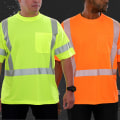
- High-Visibility Clothing: Workers should wear high-visibility vests or jackets that meet ANSI standards. This ensures they are easily seen by passing vehicles, especially in low-light conditions.
- Safety Footwear: Steel-toed boots are recommended to protect against heavy equipment and materials. Non-slip soles can also help prevent accidents on slick surfaces.
- Eye Protection: Safety goggles or glasses should be worn to shield the eyes from paint splatters and harmful chemicals present in some reflective materials.
- Respiratory Protection: Depending on the materials used, a respirator may be necessary to protect against inhaling harmful fumes or particles during application.
- Gloves: Durable gloves can protect hands from chemicals and sharp tools, reducing the risk of cuts and skin irritation.
Not only does it protect individual workers, but it also promotes a culture of safety within the team. By prioritizing safety gear, companies can reduce the likelihood of accidents and injuries, leading to a more efficient and productive work environment.In addition to wearing PPE, it is crucial for workers to undergo training on how to properly use and maintain their safety equipment. Regular inspections of PPE should also be conducted to ensure that all gear is in good condition and effective in providing protection.Ultimately, investing in quality PPE and fostering a safety-first mindset will enhance the overall effectiveness of applying reflective striping and markings, ensuring that both workers and the public remain safe during these operations.
Environmental Considerations
When applying reflective striping and markings, understanding the environmental factors that can affect the application process is crucial for achieving optimal results. Weather conditions, particularly temperature and humidity, play a significant role in the effectiveness of the materials used.Weather Conditions for Applying Reflective Markings
It is essential to monitor the weather forecast before beginning any application of reflective striping.Rain, snow, or high winds can hinder the adhesion of the reflective paint and compromise its longevity. Ideally, applications should be performed during dry conditions to ensure that the surface is clean and free from moisture.
Temperature Considerations for Reflective Paint
The temperature at which reflective markings are applied can significantly impact their performance. Most manufacturers recommend applying reflective paint when temperatures are between 50°F and 90°F (10°C to 32°C). If the temperature is too low, the paint may not cure properly, leading to peeling or fading.Conversely, applying it in excessively high temperatures can cause the paint to dry too quickly, preventing proper adhesion.
Environmental Factors Affecting Striping Application
- Humidity: High humidity levels can lead to condensation on surfaces, which may prevent proper adhesion of the reflective materials.
- Surface Preparation: Ensure that surfaces are clean and free from debris, oil, or other contaminants that could affect adhesion.
- Sunlight Exposure: Direct sunlight can heat surfaces unevenly, affecting how the paint adheres and cures.
Application Techniques and Best Practices
When it comes to applying reflective striping & markings, employing the right techniques and adhering to best practices is crucial for ensuring visibility and safety. Here are some key strategies to consider:Best Practices for Applying Reflective Striping
- Surface Preparation: Ensure that the surface is clean, dry, and free from debris. This helps the reflective material adhere properly and enhances its longevity.
- Temperature Considerations: Apply reflective striping during optimal weather conditions. Ideally, temperatures should be between 50°F and 90°F to ensure proper curing.
- Use of Proper Equipment: Utilize high-quality applicators designed for the specific type of reflective material being used.
This ensures even application and reduces the risk of defects.
- Follow Manufacturer Guidelines: Always refer to the manufacturer’s instructions regarding application thickness, drying times, and any specific environmental considerations.
Techniques for Marking Application
- Consistent Pressure: Maintain consistent pressure while applying the striping to avoid uneven lines or gaps.
- Use of Templates: For complex designs or patterns, using templates can help achieve uniformity and precision in your markings.
- Layering Techniques: In some cases, applying multiple layers can enhance visibility. However, ensure that each layer is fully cured before adding another.
Common Mistakes in Striping Application
- Poor Surface Preparation: Skipping this step can lead to peeling or fading of the markings over time.
- Ignoring Weather Conditions: Applying striping in wet or extremely cold conditions can compromise adhesion and durability.
- Inconsistent Application: Failing to maintain a steady hand or using improper tools can result in uneven lines that detract from visibility.
Post-Application Safety Measures
After applying reflective striping and markings, it is essential to implement several safety measures to ensure both the effectiveness of the markings and the safety of individuals in the vicinity. The curing process of reflective paint can pose risks if not properly managed.Understanding Drying Times
The drying time for reflective paint can vary based on environmental conditions such as temperature, humidity, and wind. Typically, it is advisable to allow at least 24 hours for the paint to cure fully before subjecting it to traffic.During this period, the markings may appear wet and can be easily damaged or smudged.
Ensuring Visibility
To maintain visibility after application, consider the following precautions:- Mark Off Areas: Use cones or barriers to mark off freshly painted areas. This helps prevent accidental entry and ensures that pedestrians and vehicles stay clear until the markings are fully cured.
- Use Temporary Signage: Place temporary signs indicating that the area is under maintenance. This alerts drivers and pedestrians to exercise caution.
- Avoid Heavy Traffic: If possible, schedule the application during off-peak hours when traffic is minimal. This reduces the risk of accidents during the drying phase.
Rain or high humidity can extend drying times significantly, so plan accordingly. If rain is forecasted shortly after application, consider delaying the project to ensure optimal results.By adhering to these post-application safety measures, you can enhance the longevity and visibility of your reflective striping and markings, while also ensuring a safe environment for all road users during the critical curing period.
Frequently Asked Questions (FAQs)
When it comes to reflective striping and markings, safety is paramount. Here are some frequently asked questions regarding safety precautions during the application process:- What personal protective equipment (PPE) should be worn? It is essential to wear appropriate PPE, including high-visibility vests, gloves, and safety goggles. This gear helps protect workers from potential hazards associated with the application of reflective materials.
- Are there specific weather conditions to avoid? Yes, applying reflective striping and markings in wet or windy conditions can compromise the adhesion and effectiveness of the materials.
Ideally, applications should be done in dry weather with temperatures above 50°F (10°C) for optimal results.
- How can traffic be managed during application? Proper traffic management is crucial. Use cones, barriers, and signage to redirect traffic away from the work area. Consider scheduling work during off-peak hours to minimize risks.
- What are the risks of improper application? Improperly applied reflective markings can lead to reduced visibility at night or in low-light conditions, increasing the risk of accidents. Ensuring that markings are applied according to manufacturer specifications is vital for safety.
- How long should the area be closed after application? It is recommended to keep the area closed for a minimum of 24 hours after application to allow the markings to cure properly.
This helps ensure that they adhere well and maintain their reflective properties.
Conclusion: Key Takeaways on Safety Precautions
In conclusion, ensuring safety during the application of reflective striping and markings is paramount for both the workers involved and the public. By adhering to the following key takeaways, you can significantly reduce risks and enhance the effectiveness of your striping projects.- Proper Training: Ensure that all personnel involved in the application process are adequately trained. This includes understanding the materials used, equipment operation, and safety protocols.
- Personal Protective Equipment (PPE): Always wear appropriate PPE such as high-visibility vests, gloves, and safety glasses.
This not only protects workers but also makes them more visible to passing vehicles.
- Traffic Control Measures: Implement effective traffic control measures to divert or slow down traffic in areas where reflective striping and markings are being applied. Use cones, barriers, and signage to alert drivers of ongoing work.
- Weather Considerations: Be mindful of weather conditions that could affect the application process. Rain, wind, or extreme temperatures can compromise the adhesion and visibility of reflective materials.
- Regular Equipment Maintenance: Ensure that all equipment used for applying reflective striping is well-maintained and functioning correctly. Faulty equipment can lead to accidents or subpar results.
The importance of reflective striping and markings cannot be overstated; they play a crucial role in guiding drivers and enhancing road safety. Prioritizing safety precautions during their application is essential for achieving optimal results.