In the realm of vehicle safety, reflective striping and markings play a crucial role in enhancing visibility, especially in low-light conditions. These features are not merely decorative; they serve a vital function in preventing accidents and ensuring that vehicles are easily seen by other road users. Whether it’s a commercial truck, emergency vehicle, or even personal cars, the presence of reflective materials can significantly reduce the risk of collisions during nighttime or adverse weather conditions. As we delve deeper into the topic, it becomes essential to understand the legal requirements for vehicles regarding these markings. Different states and municipalities may have varying regulations that dictate when and where reflective striping must be applied.
For instance, commercial vehicles often have stricter guidelines compared to personal vehicles, reflecting their larger size and the increased potential for accidents. This section will explore these legal frameworks, helping vehicle owners and operators navigate the complexities of compliance. Moreover, the importance of vehicle markings extends beyond mere visibility; they also communicate critical information about the vehicle's purpose and status. Emergency vehicles adorned with bright reflective stripes signal urgency and command attention, while construction vehicles indicate caution to oncoming traffic. Understanding these nuances not only aids in legal compliance but also fosters a culture of safety on our roads.
What Are Reflective Striping and Markings?
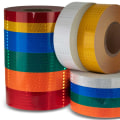
Reflective striping and markings are essential safety features on vehicles, designed to enhance visibility, especially in low-light conditions.These markings are made from materials that reflect light, making vehicles more noticeable to other drivers and pedestrians.There are several types of vehicle markings that utilize reflective materials:
- Striping: This typically consists of long, narrow bands of reflective material applied along the sides or rear of a vehicle. It is commonly seen on emergency vehicles, construction trucks, and service vehicles.
- Logos and Graphics: Many companies use reflective logos or graphics on their fleet vehicles. These not only promote brand visibility but also enhance safety.
- Safety Cones and Barriers: While not directly on vehicles, these items often feature reflective markings to alert drivers to hazards.
- Glass Beads: These tiny beads are embedded in the surface of the material, reflecting light back towards its source.
- Microprismatic Films: These films use a series of prisms to reflect light more effectively than traditional glass beads, providing superior visibility.
- Fluorescent Materials: Some reflective markings incorporate fluorescent pigments that enhance visibility during daylight hours.
Legal Requirements for Reflective Striping and Markings in the U.S.
In the United States, the legal requirements for reflective striping and markings on vehicles vary significantly between federal and state regulations.Understanding these laws is crucial for vehicle owners, especially those operating commercial or specialized vehicles.
Federal Regulations
- The Federal Motor Carrier Safety Administration (FMCSA) mandates specific marking requirements for commercial vehicles. According to FMCSA regulations, large trucks and buses must have reflective materials to enhance visibility, particularly during nighttime or low-light conditions.
- Vehicles over 10,000 pounds are required to have reflective striping on the rear, which must be at least 2 inches wide and visible from a distance of 500 feet.
State-Specific Requirements
- Each state has its own set of laws regarding reflective striping and markings. For instance, some states may require additional markings for emergency vehicles, while others may have specific guidelines for construction or utility vehicles.
- States like California and Texas have stringent regulations that mandate reflective tape on trailers and other large vehicles to improve safety on highways.
- It is essential for vehicle operators to check their local Department of Motor Vehicles (DMV) or transportation authority for specific requirements that may apply in their state.
Consequences of Non-Compliance
Failure to adhere to these regulations can result in fines, penalties, or even the inability to operate the vehicle legally. Therefore, ensuring compliance with both federal and state laws regarding reflective striping and markings is not only a legal obligation but also a critical safety measure.In summary, while federal laws provide a baseline for reflective striping and markings, it is vital for vehicle owners to be aware of their state-specific requirements to ensure full compliance and enhance road safety.
Which Vehicles Are Required to Have Reflective Striping?
Reflective striping and markings are crucial for enhancing visibility and safety on the road, particularly for certain types of vehicles.Understanding which vehicles are required to have these features is essential for compliance with commercial vehicle regulations and ensuring public safety.
- Commercial Vehicles: Many states mandate that commercial vehicles, such as trucks and buses, must display reflective striping. This requirement is especially pertinent for vehicles that operate in low-light conditions or are involved in transporting hazardous materials. The Federal Motor Carrier Safety Administration (FMCSA) outlines specific guidelines that these vehicles must follow to ensure they are adequately marked.
- Emergency Vehicles: Emergency response vehicles, including police cars, ambulances, and fire trucks, are also required to have reflective markings. These markings not only help in identifying the vehicle but also enhance visibility during emergencies.
The National Fire Protection Association (NFPA) provides standards for reflective striping on fire apparatus to ensure they are easily seen at night or in adverse weather conditions.
- Construction Vehicles: Vehicles used in construction zones often need to be equipped with reflective striping to alert other drivers of their presence. This is particularly important for equipment that may be stationary or moving slowly, as it helps prevent accidents in high-traffic areas.
Exceptions to the Rule: When Reflective Markings Are Not Required
While reflective striping and markings are crucial for enhancing visibility and safety on the road, there are specific scenarios where certain vehicles may be exempt from these regulations. Understanding these exceptions is essential for vehicle owners to ensure compliance with local laws.Non-Commercial Vehicles
Many states have regulations that primarily target commercial vehicles, which are often larger and more prone to accidents.Non-commercial vehicles, such as personal cars and motorcycles, typically do not require reflective striping. However, this can vary by state, so it is important for vehicle owners to check local laws.
Special Cases
There are also special cases where reflective markings may not be mandated:- Emergency Vehicles: Some emergency vehicles may have different requirements due to their unique operational needs.
- Antique or Classic Cars: Vehicles that are classified as antiques or classics often have exemptions from modern safety regulations, including reflective markings.
- Off-Road Vehicles: Vehicles designed solely for off-road use typically do not require reflective striping since they are not operated on public roads.
The Importance of Reflective Striping for Safety
Reflective striping and markings play a crucial role in enhancing the safety of vehicles on the road.These visual aids are designed to improve visibility, especially in low light conditions, making it easier for other drivers to see and recognize vehicles from a distance.One of the primary benefits of reflective markings is their ability to significantly reduce the risk of accidents. When vehicles are equipped with high-quality reflective striping, they become more noticeable during nighttime driving or in adverse weather conditions such as rain or fog. This increased visibility can be the difference between a safe journey and a potential collision.Moreover, reflective striping is not just beneficial for personal vehicles; it is especially important for commercial and emergency vehicles. For instance:
- Emergency vehicles, such as ambulances and fire trucks, rely on reflective markings to ensure they are seen quickly when responding to emergencies.
- Construction vehicles often operate in low-light environments, making reflective striping essential for protecting workers and alerting passing motorists.
- Public transport vehicles, like buses, benefit from enhanced visibility, ensuring passenger safety at all times.
Many companies use these markings as part of their branding strategy, creating a professional appearance while simultaneously promoting safety.In conclusion, the importance of reflective striping and markings cannot be overstated. They serve as a vital safety feature that enhances visibility, reduces accident risks, and contributes to a safer driving environment for everyone on the road.
Frequently Asked Questions About Reflective Striping and Markings
When it comes to reflective striping and markings, many vehicle owners have questions regarding their necessity and legality. Here are some of the most frequently asked questions:- Do all vehicles require reflective striping?Not all vehicles are mandated to have reflective striping. However, specific types of vehicles, such as emergency service vehicles, construction trucks, and certain commercial vehicles, are often required by law to display reflective markings for safety reasons.
- What are the legal requirements for reflective markings?Legal requirements can vary by state and vehicle type.
Generally, regulations set forth by the Department of Transportation (DOT) or local authorities dictate the use of reflective materials. It’s essential to check your local laws to ensure compliance.
- Are there specific standards for reflective materials?Yes, there are established standards for reflective striping, such as those outlined by the Federal Highway Administration (FHWA). These standards specify the types of materials that can be used and their visibility requirements.
- Can I install reflective striping myself?While it is possible to install reflective markings yourself, it is crucial to follow the guidelines set by local regulations. Improper installation may lead to non-compliance and could compromise safety.
- What benefits do reflective markings provide?Reflective striping enhances visibility, especially in low-light conditions, thereby reducing the risk of accidents.
This is particularly important for larger vehicles that may be harder to see on the road.
Conclusion: Key Takeaways on Vehicle Reflective Striping Laws
In summary, the legal requirements for reflective striping and markings on vehicles vary significantly across different states and types of vehicles. Understanding these regulations is crucial for vehicle owners, operators, and fleet managers to ensure compliance and enhance safety on the roads.- Commercial Vehicles: Most states mandate that commercial vehicles, especially those over a certain weight or transporting hazardous materials, must have reflective striping to improve visibility during low-light conditions.
- Emergency Vehicles: Emergency response vehicles are often required to have specific markings and striping that meet national standards to ensure they are easily identifiable in emergencies.
- Personal Vehicles: While personal vehicles may not be universally required to have reflective markings, adding them can enhance safety and visibility, particularly for those who frequently drive at night or in adverse weather conditions.
Staying informed about these laws can help ensure that you are not only compliant but also prioritizing safety for yourself and others on the road.