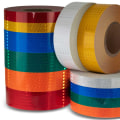
In the realm of traffic safety, reflective striping and markings play a crucial role in ensuring that roadways, parking lots, and various public spaces are navigable and safe for all users. These visual aids are designed to enhance visibility, especially during low-light conditions or adverse weather, making them indispensable for both drivers and pedestrians. The strategic application of reflective materials helps to delineate lanes, guide vehicles, and indicate hazards, thereby reducing the likelihood of accidents. Reflective striping typically consists of high-visibility paint or tape that reflects light back to its source, such as vehicle headlights. This reflective quality is vital for maintaining clear sightlines on roads and pathways.
In addition to improving visibility, these markings also serve as a psychological cue for drivers, reminding them to adhere to speed limits and stay within designated lanes. As urban areas continue to grow and traffic volumes increase, the importance of effective reflective markings cannot be overstated. However, the effectiveness of reflective striping and markings is not solely dependent on their design and placement; it is also governed by established safety standards. Various organizations and governmental bodies have developed guidelines that dictate the materials used, the dimensions of the markings, and their placement on roadways. These standards ensure that reflective striping meets specific visibility requirements under different conditions, ultimately contributing to safer travel experiences.
Understanding these standards is essential for city planners, traffic engineers, and safety advocates who aim to create environments that prioritize public safety.
What Are Reflective Striping and Markings?
Reflective striping and markings are essential components in enhancing visibility and safety in various environments, particularly in traffic management and construction sites. These markings utilize special materials that reflect light, making them visible even in low-light conditions.At their core, reflective striping refers to the application of reflective materials in the form of lines or patterns on surfaces such as roads, parking lots, and construction zones. These markings serve multiple purposes, including guiding traffic, indicating hazards, and delineating safe pathways.Types of Reflective Markings
- Road Markings: These include lane dividers, crosswalks, and stop lines that help regulate traffic flow and ensure pedestrian safety.
- Construction Zone Markings: Brightly colored reflective tape or paint is often used to outline work areas, alerting drivers to potential hazards.
- Parking Lot Striping: Reflective markings in parking lots help organize spaces and guide vehicles safely.
- Vehicle Markings: Emergency vehicles often feature reflective striping to enhance visibility during nighttime operations.
Uses of Reflective Striping
The applications of reflective striping are vast and varied. In traffic management, these markings play a crucial role in:- Improving Safety: By increasing visibility, reflective markings help prevent accidents, especially at night or during inclement weather.
- Enhancing Navigation: Clear markings guide drivers and pedestrians, reducing confusion and improving overall traffic flow.
- Indicating Hazards: Reflective striping alerts individuals to potential dangers, such as construction zones or sharp turns.
Their ability to reflect light makes them indispensable tools for traffic management and hazard identification.
Importance of Safety Standards for Reflective Striping
Safety standards for reflective striping and markings are essential in ensuring that roadways, parking lots, and other surfaces are adequately marked for visibility. These standards play a critical role in enhancing safety for both drivers and pedestrians, significantly reducing the likelihood of accidents.Importance of Safety Standards
- Enhanced Visibility: Reflective markings are designed to be visible in low-light conditions, such as at night or during inclement weather. Adhering to safety standards ensures that these markings reflect light effectively, making them easily noticeable.
- Accident Reduction: Properly implemented reflective striping can lead to a decrease in traffic accidents. Studies have shown that areas with high-quality reflective markings experience fewer collisions, as drivers can better navigate and understand road layouts.
- Consistency Across Regions: Safety standards help maintain uniformity in reflective striping across different regions.
This consistency is crucial for drivers who travel through various areas, as it allows them to recognize and respond to markings without confusion.
- Increased Awareness: Reflective striping serves as a visual cue that alerts drivers to potential hazards, such as pedestrian crossings or sharp turns.
- Improved Navigation: Clear and consistent markings guide drivers effectively, reducing the chances of erratic driving behavior caused by uncertainty.
- Cost-Effectiveness: Investing in high-quality reflective materials can lead to long-term savings by minimizing accidents and their associated costs.
Overview of Existing Safety Standards
When it comes to reflective striping and markings, safety standards play a crucial role in ensuring visibility and reducing accidents on roadways.Various organizations have established guidelines that govern the use of these materials, focusing on their effectiveness in different conditions.One of the primary organizations involved in setting these standards is the American Society for Testing and Materials (ASTM). ASTM has developed several specifications that address the performance characteristics of reflective materials. For instance, ASTM D4956 outlines the requirements for retroreflective sheeting used in traffic signs and markings, ensuring they meet specific visibility criteria under various lighting conditions.In addition to ASTM, the Federal Highway Administration (FHWA) provides guidelines that are essential for state and local agencies. The FHWA's Manual on Uniform Traffic Control Devices (MUTCD) specifies the use of reflective materials for road markings, emphasizing their importance in enhancing safety during nighttime and adverse weather conditions.
The MUTCD also includes recommendations for the placement and maintenance of these markings to ensure they remain effective over time.Moreover, compliance with these standards is not just a matter of legal obligation; it significantly impacts public safety. Properly implemented reflective striping and markings can reduce accidents by improving driver awareness and reaction times. Therefore, it is vital for municipalities and transportation departments to stay updated on these standards and incorporate them into their road safety programs.In summary, adherence to established safety standards from organizations like ASTM and FHWA is essential for the effective use of reflective striping and markings. These guidelines not only enhance visibility but also contribute to safer roadways for all users.
Key Organizations Involved in Setting Standards
When it comes to ensuring the safety and effectiveness of reflective striping and markings, several key organizations play a pivotal role in establishing and maintaining standards.These organizations are responsible for developing guidelines that help ensure visibility, durability, and overall safety on roadways.
ASTM International
One of the foremost organizations involved in setting standards for reflective striping and markings is ASTM International. This organization develops voluntary consensus standards for materials, products, systems, and services used in construction and manufacturing. ASTM's standards for reflective materials focus on performance criteria such as retroreflectivity, which measures how well a surface reflects light back to its source. These standards are crucial for ensuring that road markings remain visible under various conditions, including nighttime and inclement weather.International Organization for Standardization (ISO)
The International Organization for Standardization (ISO) also contributes significantly to the field of reflective materials.ISO develops international standards that ensure quality, safety, and efficiency across various industries. In the context of reflective striping and markings, ISO standards help harmonize practices globally, making it easier for manufacturers to comply with safety regulations in different countries. This is particularly important for multinational companies that operate in diverse regulatory environments.
Federal Highway Administration (FHWA)
The Federal Highway Administration (FHWA) , a division of the U.S. Department of Transportation, plays a critical role in establishing guidelines specifically for road safety in the United States.The FHWA provides resources and recommendations regarding the use of reflective striping and markings, including specifications for materials and installation practices. Their guidelines are essential for state and local agencies to ensure that road markings meet federal safety standards.In summary, organizations like ASTM International, ISO, and FHWA are instrumental in setting the safety standards for reflective striping and markings. Their contributions help ensure that these vital road safety features are effective, reliable, and consistent across different regions and conditions.
Testing and Compliance for Reflective Markings
Ensuring the safety and effectiveness of reflective striping and markings involves rigorous testing methods and adherence to compliance requirements. Various organizations, including the American Society for Testing and Materials (ASTM) and the Federal Highway Administration (FHWA), have established standards that govern the performance of these materials.Testing Methods for Reflective Striping
The testing of reflective striping typically includes several key methods:- Retroreflectivity Testing: This method measures how much light is reflected back to its source, which is crucial for visibility at night.
Devices like handheld retroreflectometers are commonly used.
- Durability Testing: This assesses how well the markings withstand environmental factors such as UV exposure, rain, and wear from traffic. Tests may include accelerated weathering and abrasion resistance.
- Adhesion Testing: Ensures that the reflective materials adhere properly to the road surface, which is vital for longevity and effectiveness.
Compliance Requirements
Compliance with safety standards is essential for all reflective markings. The following are key requirements:- Material Specifications: Reflective materials must meet specific criteria regarding their composition and performance characteristics as outlined by relevant standards.
- Installation Guidelines: Proper installation techniques must be followed to ensure that the markings perform as intended. This includes correct application temperatures and surface preparation.
- Periodic Re-evaluation: Regular assessments are necessary to ensure that the markings maintain their reflective properties over time.
Certification Processes
The certification of reflective striping and markings involves a systematic approach:- Initial Testing: Manufacturers must submit their products for initial testing to verify compliance with established standards.
- Quality Control: Ongoing quality control measures must be implemented to ensure that production remains consistent with certified specifications.
- Documentation and Reporting: Manufacturers are required to maintain detailed records of testing results and compliance status, which may be subject to audits by regulatory bodies.
Common Challenges in Meeting Safety Standards
Meeting safety standards for reflective striping and markings presents several challenges for manufacturers and contractors.These challenges can stem from various factors, including compliance issues, industry obstacles, and the evolving nature of regulations.
Compliance Issues
- Regulatory Variability: Different states and municipalities may have varying regulations regarding the specifications for reflective materials. This inconsistency can create confusion and complicate compliance efforts.
- Testing Standards: Manufacturers must adhere to specific testing protocols to ensure their products meet safety requirements. However, the lack of standardized testing methods can lead to discrepancies in product performance.
Industry Obstacles
- Material Quality: The quality of materials used in reflective striping can significantly impact their effectiveness. Some manufacturers may cut corners to reduce costs, resulting in subpar products that do not meet safety standards.
- Technological Advancements: As technology evolves, so do the expectations for reflective striping.
Keeping up with new materials and application techniques can be a challenge for contractors who are accustomed to traditional methods.
Future Trends in Reflective Striping Standards
As we look towards the future of reflective striping and markings, several trends and innovations are poised to reshape safety standards in this critical area.The integration of advanced materials and technologies is expected to enhance visibility and durability, ultimately improving safety for drivers and pedestrians alike.
Innovations in Reflective Materials
One of the most significant trends is the development of smart reflective materials. These materials can adapt their reflective properties based on environmental conditions, such as light levels or weather. For instance, some new coatings can increase their reflectivity during rain or fog, providing better visibility when it is needed most.Emerging Technologies
The use of LED technology in reflective striping is another exciting innovation. By incorporating LED lights into road markings, municipalities can create dynamic signage that changes based on traffic conditions or time of day.This not only enhances visibility but also allows for real-time communication with drivers.
Regulatory Changes and Safety Standards
As these technologies evolve, so too will the safety standards governing reflective striping. Regulatory bodies are likely to update guidelines to incorporate new materials and technologies, ensuring that all road markings meet higher safety benchmarks. This could include stricter requirements for retroreflectivity levels and durability tests to withstand harsh environmental conditions.Collaboration Across Industries
The future of reflective striping and markings will also see increased collaboration between manufacturers, government agencies, and research institutions. By working together, these stakeholders can share insights and develop best practices that lead to safer roadways.Pilot programs testing new materials and technologies will likely become more common, providing valuable data to inform future regulations.In conclusion, the future of reflective striping is bright, with numerous innovations on the horizon that promise to enhance safety standards significantly. As technology continues to advance, we can expect a shift towards more effective and adaptive solutions that prioritize the safety of all road users.
FAQs About Reflective Striping and Safety Standards
When it comes to reflective striping and markings, safety standards play a crucial role in ensuring visibility and reducing accidents. Here are some frequently asked questions that can help clarify the importance of these standards:What are the main safety standards for reflective striping?
The primary safety standards for reflective striping are set by organizations such as the American National Standards Institute (ANSI) and the Federal Highway Administration (FHWA). These standards dictate the materials, colors, and application methods used to ensure that reflective markings provide adequate visibility under various conditions.How do reflective markings improve safety?
Reflective markings enhance safety by increasing visibility at night or in low-light conditions.They reflect light from vehicle headlights, making it easier for drivers to see road boundaries, lane divisions, and hazards. This is particularly important in areas with high traffic or where visibility is compromised.
Are there specific regulations for different types of reflective striping?
- Roadways: Reflective striping on highways must meet specific width and retroreflectivity requirements to ensure they are visible from a distance.
- Pavement Markings: Different types of pavement markings, such as those used in parking lots or pedestrian crossings, have their own set of guidelines to follow.
- Construction Zones: Temporary reflective markings used in construction zones must adhere to strict visibility standards to protect both workers and drivers.
What materials are commonly used for reflective striping?
The materials used for reflective striping typically include:- Retroreflective sheeting: This is often made from glass beads or prismatic elements that enhance light reflection.
- Paints: Specialized paints with reflective properties are applied directly to surfaces.
- Tape: Reflective tape can be used for quick applications and is often found in temporary settings.
Conclusion: The Importance of Adhering to Safety Standards
In conclusion, adhering to safety standards for reflective striping and markings is not just a regulatory requirement but a critical component of ensuring safety on our roads and in various environments. The effectiveness of these markings relies heavily on their visibility, durability, and compliance with established guidelines.Throughout this article, we have explored the various safety standards that govern the use of reflective striping and markings. These standards are designed to enhance visibility, especially in low-light conditions, thereby reducing the likelihood of accidents.Compliance with these standards is essential for:
- Improving Road Safety: Properly applied reflective markings can significantly decrease the risk of collisions by guiding drivers and pedestrians effectively.
- Enhancing Visibility: High-quality reflective materials ensure that markings are visible from a distance, even in adverse weather conditions.
- Meeting Legal Requirements: Many jurisdictions have specific regulations regarding the use of reflective striping, making adherence not only a best practice but a legal obligation.