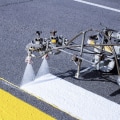
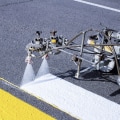
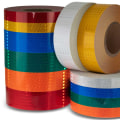
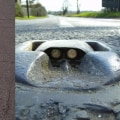
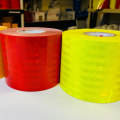
Reflective striping and markings are essential components in various industries, primarily known for their safety and visibility functions. These materials are designed to reflect light, making them highly effective in low-light conditions. Commonly used on roadways, vehicles, and construction sites, reflective striping enhances safety by alerting drivers and pedestrians to potential hazards. However, their utility extends beyond mere safety; they can also serve aesthetic purposes.At their core, reflective markings consist of a combination of retroreflective materials that bounce light back towards its source.
This property is what makes them so effective in increasing visibility. Typically made from glass beads or prismatic elements embedded in a durable substrate, these markings can be applied to various surfaces, including asphalt, concrete, and even fabric. The versatility of these materials opens up a world of possibilities for creative applications.While the primary use of reflective striping is to enhance safety and guide traffic, there is a growing trend to utilize these materials for decorative purposes. From vibrant patterns on bike lanes to artistic designs on building facades, reflective striping can transform ordinary spaces into visually striking environments.
This dual functionality not only improves safety but also adds an element of creativity and personalization to public and private spaces.
The Functional Benefits of Reflective Striping
Reflective striping and markings serve a multitude of practical purposes, primarily centered around enhancing safety and visibility. These features are not only essential for traffic management but also play a significant role in various environments, from construction sites to pedestrian walkways.One of the most notable benefits of reflective striping is its ability to improve visibility during low-light conditions. This is particularly crucial for roadways and highways where drivers need to be alerted to lane boundaries, hazards, or directional changes. The reflective properties of these markings ensure that they are easily seen at night or in adverse weather conditions, significantly reducing the risk of accidents.- Enhanced Safety: Reflective markings help guide drivers and pedestrians, reducing confusion and potential collisions.
- Increased Awareness: Brightly colored reflective striping draws attention, making it easier for individuals to recognize important areas such as crosswalks or construction zones.
- Durability: Many reflective materials are designed to withstand harsh environmental conditions, ensuring long-lasting visibility.
In industrial settings, reflective striping can delineate hazardous areas, ensuring that workers are aware of their surroundings. This is particularly important in environments where heavy machinery operates or where there is a risk of slips and falls.The visibility advantages provided by reflective striping are not limited to nighttime use. During the day, these markings can still stand out against various backgrounds, thanks to their bright colors and patterns. This dual functionality makes them an invaluable asset in both urban and rural settings.In summary, the functional benefits of reflective striping and markings are clear: they enhance safety, improve visibility, and provide essential guidance in various environments.
Understanding these practical applications is vital for recognizing their potential decorative uses without compromising their primary purpose.
Decorative Uses of Reflective Striping and Markings
Reflective striping and markings are often associated with safety and visibility, but their potential for decorative purposes is gaining traction in various creative fields. Artists, designers, and homeowners are discovering innovative ways to incorporate these materials into their projects, transforming ordinary spaces into visually striking environments.Creative Uses of Reflective Markings
- Art Installations: Many contemporary artists are using reflective striping as a medium to create immersive installations. The interplay of light and reflection can evoke emotions and draw viewers into a unique experience.
- Home Decor: Reflective markings can be applied to walls, furniture, or even flooring to add a modern touch. For instance, a reflective stripe along the edge of a staircase not only enhances safety but also serves as a stylish design element.
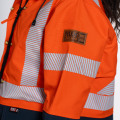
- Fashion Statements: Designers are increasingly incorporating reflective materials into clothing and accessories.
Jackets with reflective striping not only provide visibility at night but also make a bold fashion statement.
Whether in art, home decor, or fashion, these materials offer exciting opportunities to blend functionality with aesthetic appeal.
Case Studies: Successful Decorative Implementations
Reflective striping and markings have transcended their traditional roles in safety and navigation, finding a unique niche in the realm of decorative design. Here are some notable case studies that illustrate the successful implementation of these elements for aesthetic purposes.1.Urban Art Installations
In cities like San Francisco and New York, artists have utilized reflective striping to create vibrant murals on sidewalks and streets. These installations not only enhance the visual appeal of urban spaces but also serve a dual purpose by improving nighttime visibility. For instance, the "Reflective Rainbow" project in San Francisco features colorful reflective stripes that change appearance based on the angle of light, creating an engaging experience for pedestrians.2.Community Events
During community festivals, reflective markings have been employed to guide attendees while adding a festive touch.The Annual Night Market in Austin, Texas, showcased reflective pathways that led visitors through various stalls. The use of bright, reflective colors not only enhanced safety but also contributed to the overall atmosphere of celebration.
3.Educational Institutions
Schools and universities have also embraced decorative reflective striping as part of their branding efforts. For example, XYZ University incorporated their school colors into reflective markings on campus walkways. This initiative not only beautified the campus but also instilled school spirit among students and visitors alike.4.Transportation Hubs
Airports and train stations are increasingly using decorative reflective striping to enhance passenger experience.The Denver International Airport, for instance, features artistic reflective patterns on its walkways that guide travelers while providing an aesthetically pleasing environment. These designs often reflect local culture and art, making travel more enjoyable.These case studies demonstrate that reflective striping and markings can effectively blend functionality with creativity, transforming ordinary spaces into extraordinary experiences while maintaining safety standards.
Design Considerations for Decorative Reflective Striping
Incorporating reflective striping & markings into your decor can elevate the aesthetic appeal of a space while also enhancing safety. Here are some essential design considerations to keep in mind when planning your decorative projects.Design Tips for Reflective Markings
- Purpose and Functionality: Before you begin, consider the primary purpose of the reflective striping. Are you aiming for purely decorative effects, or do you also want to improve visibility in low-light conditions? This will guide your design choices.
- Placement Strategies: Think about where the reflective markings will be applied.
High-traffic areas such as hallways, staircases, or outdoor spaces can benefit from strategic placement that enhances both safety and style.
- Scale and Proportion: Ensure that the size of the reflective striping complements the surrounding decor. Larger spaces may benefit from bolder, wider stripes, while smaller areas might require more delicate designs.
Choosing Colors for Decorative Striping
- Color Harmony: Select colors that harmonize with your existing decor. Neutral tones can create a subtle effect, while vibrant colors can make a bold statement.
- Contrast and Visibility: Consider using contrasting colors to enhance visibility. Bright colors against dark backgrounds or vice versa can draw attention to the reflective markings.
- Seasonal Themes: You can also adapt your color choices based on seasonal themes or holidays, allowing for a dynamic and fresh look throughout the year.
Planning Decorative Projects
- Material Selection: Choose high-quality materials that are durable and suitable for your intended environment.
Outdoor projects may require weather-resistant options, while indoor applications can utilize a wider range of materials.
- Test Samples: Before committing to a full design, create small samples of your chosen colors and patterns. This will help you visualize how the reflective striping will look in your space.
- Consult Professionals: If you're unsure about your design choices, consider consulting with a professional designer who specializes in reflective materials. They can provide valuable insights tailored to your specific needs.
Challenges and Limitations of Using Reflective Striping Decoratively
While the use of reflective striping and markings for decorative purposes can enhance visual appeal, several challenges and limitations must be considered to ensure successful implementation.Limitations of Decorative Reflective Markings
One significant limitation is the durability of reflective materials. Many decorative options may not withstand harsh weather conditions or heavy foot traffic, leading to a need for frequent maintenance or replacement.Additionally, the color palette available for reflective materials is often limited compared to traditional paints, which can restrict creative expression.
Challenges in Implementation
Another challenge lies in the application process. Achieving a clean and aesthetically pleasing finish requires skilled labor, as improper application can result in uneven surfaces or peeling. Furthermore, the reflective properties can sometimes create visual distractions, particularly in areas with high traffic, potentially leading to safety concerns.Potential Drawbacks
Moreover, there are potential drawbacks related to cost. Decorative reflective striping may involve higher initial expenses compared to standard decorative options.This can be a deterrent for budget-conscious projects. Lastly, local regulations may impose restrictions on the use of reflective materials in certain environments, limiting their applicability. In summary, while decorative reflective striping and markings offer unique opportunities for design innovation, understanding these challenges and limitations is crucial for realistic expectations and successful project outcomes.
Future Trends in Reflective Striping Design
As we look towards the future of reflective striping and markings, several exciting trends and innovations are emerging that promise to redefine their applications. The integration of advanced technologies is paving the way for more creative and functional designs, making reflective striping not just a safety feature but also a medium for artistic expression.1.Smart Materials and Technology
- Photoluminescent materials are gaining traction, allowing markings to glow in the dark without the need for external light sources. This innovation enhances visibility during nighttime while adding an aesthetic appeal.
- The use of LED technology in reflective striping is also on the rise.
These dynamic markings can change colors or patterns based on environmental conditions or user preferences, creating a more engaging experience.
2.Customization and Personalization
With advancements in printing technology, there is a growing trend towards customized reflective markings. Businesses and individuals can now create unique designs that reflect their brand identity or personal style. This shift not only enhances the visual appeal but also allows for greater creativity in urban planning and public art installations.
3.Eco-Friendly Innovations
Sustainability is becoming a key focus in the design of reflective striping. Manufacturers are exploring biodegradable materials and eco-friendly adhesives that reduce environmental impact while maintaining durability and visibility.
This trend aligns with the broader movement towards sustainable urban development.
4.Integration with Urban Design
The future of reflective striping will see its integration into urban landscapes as part of comprehensive design strategies. Cities are beginning to incorporate reflective elements into sidewalks, bike lanes, and public spaces, enhancing both safety and aesthetics. This holistic approach not only improves visibility but also contributes to a city's overall character.In conclusion, the future of reflective striping and markings is bright, with innovations that promise to enhance both functionality and decorative potential. As technology continues to evolve, we can expect to see even more creative applications that blend safety with artistic expression.
FAQs About Reflective Striping and Markings for Decorative Use
Reflective striping and markings are often associated with safety and visibility, but they can also serve a decorative purpose.Here are some frequently asked questions regarding their use in design:
- Can reflective striping be used in home decor?
Yes, reflective striping can be creatively integrated into home decor. For instance, using reflective tape on furniture or walls can add a modern touch while enhancing visibility in low-light areas. - What are some creative applications of reflective markings?
Reflective markings can be applied in various ways, such as: - Art installations that incorporate light and movement.
- Custom designs on clothing or accessories for a unique fashion statement.
- Decorative pathways or driveways that glow at night, enhancing curb appeal.
- Are there specific design options available for decorative reflective striping?
Absolutely! Many manufacturers offer a range of colors, patterns, and finishes for reflective materials. This allows for personalized designs that can match any aesthetic preference. - Is reflective striping durable enough for outdoor use?
Yes, most reflective striping products are designed to withstand outdoor conditions. They are typically made from weather-resistant materials that maintain their appearance and functionality over time.
With the right approach, they can enhance both functionality and aesthetics in various settings.