In the realm of safety and visibility, reflective materials play a crucial role in enhancing awareness, especially in low-light conditions. Among these materials, reflective striping and retroreflective tape are two prominent options that serve distinct purposes yet share a common goal: to improve visibility and safety. Understanding the differences between these two types of reflective products is essential for selecting the right solution for various applications, from road safety to industrial use.
Reflective striping
typically refers to the painted or applied markings found on roads, vehicles, and other surfaces. These markings are designed to reflect light back towards its source, making them highly effective in guiding drivers and pedestrians during nighttime or adverse weather conditions.On the other hand, retroreflective tape is a specialized material that utilizes microscopic glass beads or prisms to reflect light directly back to its source, regardless of the angle at which it strikes the surface. This unique property makes retroreflective tape particularly valuable for applications requiring high visibility from various angles. The choice between reflective striping and retroreflective tape often depends on specific needs and environmental factors. For instance, while reflective striping is commonly used for road markings due to its durability and ease of application, retroreflective tape is favored for safety vests, signage, and emergency vehicles where maximum visibility is paramount. By delving deeper into these materials, we can better appreciate their unique characteristics and applications, ultimately leading to safer environments for all.
What is Reflective Striping?
Reflective striping refers to a type of marking that utilizes reflective materials to enhance visibility in low-light conditions.These markings are commonly found on roadways, vehicles, and various safety equipment, serving as a crucial element in traffic management and safety protocols.The composition of reflective striping typically includes a base material coated with tiny glass beads or prismatic elements that reflect light. This design allows the striping to bounce back light towards its source, making it highly visible at night or during adverse weather conditions. The effectiveness of reflective striping is largely dependent on the angle of the light source and the observer's position.
Common Uses of Reflective Striping
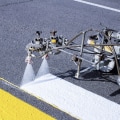
- Road Markings: Reflective striping is extensively used on highways and streets to delineate lanes, indicate pedestrian crossings, and mark hazardous areas.
- Vehicle Identification: Many emergency vehicles and commercial trucks utilize reflective striping to enhance visibility, especially during nighttime operations.
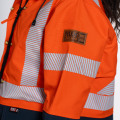
- Safety Gear: Reflective striping is also incorporated into safety vests, jackets, and other apparel worn by construction workers and emergency responders to ensure they are seen in low-light environments.
By enhancing visibility, reflective striping plays a significant part in preventing accidents and ensuring that individuals are seen when it matters most.
What is Retroreflective Tape?
Retroreflective tape
is a specialized type of tape designed to reflect light back to its source, making it highly visible in low-light conditions. Unlike standard reflective materials, which scatter light in various directions, retroreflective tape utilizes a unique arrangement of glass beads or prismatic elements that direct light back towards the source. This property enhances visibility and safety, particularly in environments where illumination is limited.The definition of retroreflective tape can be summarized as a material that reflects light back to its origin, providing clear visibility for objects or surfaces it is applied to. This characteristic makes it an essential component in various applications, especially in traffic safety and industrial settings.
Uses of Retroreflective Tape
- Traffic Safety: Retroreflective tape is commonly used on road signs, vehicles, and barriers to ensure they are easily seen at night or during adverse weather conditions.
- Safety Apparel: Many safety vests and uniforms incorporate retroreflective tape to enhance visibility for workers in construction zones or emergency responders.
- Emergency Equipment: Fire trucks, ambulances, and other emergency vehicles often feature retroreflective tape to increase their visibility during nighttime operations.
- Industrial Applications: In warehouses and factories, retroreflective tape is used to mark hazardous areas or pathways, helping to prevent accidents.
Its ability to reflect light directly back to its source makes it an invaluable tool for improving awareness in low-light situations. Understanding the properties and uses of retroreflective tape is essential for distinguishing it from other materials like reflective striping, which may not offer the same level of visibility under similar conditions.
Key Differences Between Reflective Striping and Retroreflective Tape
When it comes to reflective striping and retroreflective tape, understanding their differences is crucial for effective application in various environments. Both serve the purpose of enhancing visibility, but they do so in distinct ways.Functionality
Reflective striping typically consists of a series of stripes or patterns that reflect light back to its source. This type of marking is often used on roadways, vehicles, and safety gear to improve visibility during low-light conditions.The reflective material is designed to scatter light, making it visible from multiple angles. On the other hand, retroreflective tape is engineered to return light directly to its source, regardless of the angle from which it is viewed. This unique property makes retroreflective tape particularly effective in situations where precise visibility is required, such as on traffic signs and emergency vehicles.
Visibility Under Different Lighting Conditions
The effectiveness of reflective striping can vary depending on the intensity and angle of the light source. While it enhances visibility in headlights, its performance may diminish under certain lighting conditions or at greater distances. Conversely, retroreflective tape maintains consistent visibility even in low-light situations. Its design allows it to reflect light back towards the source, ensuring that it remains highly visible regardless of the distance or angle from which it is viewed.Application Methods
The application methods for these two materials also differ significantly.Reflective striping is often applied as paint or adhesive strips on surfaces like roads or vehicles. It requires careful installation to ensure that the stripes are aligned correctly for maximum effectiveness.
Retroreflective tape
, however, can be easily cut and applied to various surfaces without specialized equipment. This versatility makes it a popular choice for DIY projects and quick fixes where immediate visibility enhancement is needed. In summary, while both reflective striping and retroreflective tape aim to improve safety through enhanced visibility, their functionality, performance under different lighting conditions, and application methods set them apart. Understanding these differences can help individuals and organizations make informed choices about which option best suits their needs.Applications of Reflective Striping and Retroreflective Tape
Reflective striping and retroreflective tape serve crucial roles in enhancing visibility across various industries.Their applications are diverse, ranging from transportation to safety equipment and construction.
Applications of Reflective Striping
- Road Markings: Reflective striping is commonly used for lane markings on highways and roads. These markings improve visibility during nighttime or adverse weather conditions, guiding drivers safely.
- Parking Lots: In commercial and residential parking areas, reflective striping helps delineate parking spaces, ensuring orderly vehicle placement and enhancing safety for pedestrians.
- Construction Sites: Reflective striping is often employed to mark hazardous areas on construction sites, alerting workers and visitors to potential dangers.
Applications of Retroreflective Tape
- Emergency Vehicles: Retroreflective tape is widely used on emergency vehicles such as police cars, ambulances, and fire trucks. The tape enhances visibility, especially in low-light situations, making these vehicles more noticeable to other drivers.
- Safety Gear: Many safety vests and jackets incorporate retroreflective tape to ensure that workers are visible in low-light environments, such as road construction or nighttime outdoor work.
- Bicycles and Motorcycles: Retroreflective tape can be applied to bicycles and motorcycles to increase visibility for riders, significantly reducing the risk of accidents during night rides.
Frequently Asked Questions (FAQs)
When it comes to reflective striping and retroreflective tape, many people have questions about their differences and applications.Here are some frequently asked questions that can help clarify these concepts.
What is reflective striping?
Reflective striping refers to the use of materials that reflect light back to its source, enhancing visibility in low-light conditions. This type of striping is commonly used on roadways, vehicles, and safety gear to improve safety by making objects more noticeable.What is retroreflective tape?
Retroreflective tape, on the other hand, is a specific type of reflective material designed to return light directly to its source, regardless of the angle at which it strikes the surface. This property makes retroreflective tape particularly effective for applications where visibility is crucial, such as on emergency vehicles and construction sites.How do they differ in terms of visibility?
- Reflective striping generally reflects light but may not return it directly to the source, which can reduce visibility from certain angles.
- Retroreflective tape ensures that light is returned to the driver’s eyes, providing superior visibility even in challenging conditions.
Where are these materials commonly used?
- Reflective striping is often found on roads, parking lots, and safety apparel.
- Retroreflective tape is widely used on traffic signs, emergency vehicles, and safety equipment.
Conclusion: Choosing the Right Reflective Material for Your Needs
In conclusion, understanding the differences between reflective striping and retroreflective tape is crucial for making informed decisions about safety and visibility in various applications. Each material serves distinct purposes and offers unique benefits that cater to specific needs.Reflective striping
is often used for marking lanes, roadways, and other surfaces where visibility is paramount.Its broad application in traffic management and safety makes it an essential choice for municipalities and organizations focused on public safety. The durability and visibility of reflective striping can significantly enhance nighttime driving conditions, reducing accidents and improving overall road safety.On the other hand, retroreflective tape provides a different kind of visibility, reflecting light back to its source. This feature makes it particularly effective for use on vehicles, safety gear, and equipment that require high visibility in low-light conditions. The versatility of retroreflective tape allows it to be applied in various environments, from construction sites to emergency response scenarios.When choosing between these two materials, consider the following factors:
- Application: Determine where and how the material will be used.
Is it for road marking or personal safety gear?
- Visibility Requirements: Assess the level of visibility needed in different lighting conditions.
- Durability: Evaluate the environmental factors that may affect the longevity of the material.
- Cost: Consider your budget while ensuring you do not compromise on safety.