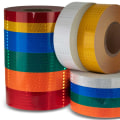
In an increasingly safety-conscious world, the use of reflective materials has become paramount in enhancing visibility, especially in low-light conditions. Among these materials, reflective striping and reflective tape serve critical roles in various applications, from road safety to industrial settings. Understanding the nuances between these two types of reflective materials is essential for making informed decisions about their use.
Reflective striping
typically refers to the patterned application of reflective materials on surfaces such as roads, vehicles, and safety gear. This method not only improves visibility but also aids in guiding traffic and delineating boundaries.On the other hand, reflective tape is a versatile product that can be applied to a variety of surfaces and is often used for marking hazards or enhancing the visibility of objects. Both serve the common purpose of increasing safety, yet they differ significantly in their application methods and intended uses. The importance of reflective markings cannot be overstated; they are crucial for preventing accidents and ensuring that individuals are seen in potentially dangerous situations. As we delve deeper into the differences between reflective striping and tape, it becomes clear that each has unique advantages that cater to specific needs. Whether you are a safety professional, a vehicle owner, or someone interested in enhancing visibility in your environment, understanding these differences will empower you to choose the right solution for your needs.
What is Reflective Striping?
Reflective striping refers to a type of marking that incorporates reflective materials to enhance visibility, especially in low-light conditions.Typically made from a combination of highly reflective glass beads or microprismatic elements embedded in a durable polymer film, reflective striping is designed to reflect light back to its source, making it an essential safety feature in various applications.
Common Applications of Reflective Striping
Reflective striping is widely used across multiple industries, including:- Road Safety: Used on highways, roads, and parking lots to delineate lanes and enhance visibility for drivers.
- Construction Sites: Applied to barriers and equipment to alert workers and pedestrians of potential hazards.
- Emergency Vehicles: Found on police cars, ambulances, and fire trucks to ensure they are easily seen during emergencies.
- Sports and Recreation: Utilized in athletic fields and tracks to mark boundaries and enhance safety for participants.
Benefits of Using Reflective Striping
The advantages of incorporating reflective striping into various environments are significant:- Enhanced Visibility: Increases the visibility of markings during nighttime or adverse weather conditions, reducing the risk of accidents.
- Durability: Designed to withstand harsh environmental conditions, ensuring long-lasting performance without frequent replacements.
- Cost-Effective Safety Solution: Provides a relatively low-cost method for improving safety measures in both public and private spaces.
- Compliance with Regulations: Helps organizations meet safety standards and regulations set by local authorities.
What is Reflective Tape?
Reflective tape is a versatile material designed to enhance visibility in low-light conditions. It is made from a combination of reflective materials that bounce light back to its source, making it an essential tool for safety and visibility in various applications.Types of Reflective Tape
- Engineering Grade Reflective Tape: This type is commonly used for traffic signs and vehicle markings. It offers good visibility at night and is cost-effective.
- High-Intensity Grade Reflective Tape: Known for its superior brightness, this tape is ideal for emergency vehicles and construction sites where high visibility is crucial.
- Diamond Grade Reflective Tape: This premium option provides the highest level of reflectivity and is often used in high-risk areas such as highways and railroads.
- Vinyl Reflective Tape: Flexible and durable, this type is suitable for curved surfaces and is often used in decorative applications.
Uses of Reflective Tape
The applications of reflective tape are vast and varied.Here are some common uses:
- Traffic Safety: Used on road signs, vehicles, and barriers to improve visibility at night or in poor weather conditions.
- Industrial Applications: Marking hazardous areas in warehouses or factories to ensure worker safety.
- Emergency Services: Affixed to emergency vehicles to enhance their visibility during nighttime operations.
- Personal Safety: Used on clothing or backpacks for joggers, cyclists, and outdoor enthusiasts to increase their visibility to drivers.
Key Differences Between Reflective Striping and Reflective Tape
When considering reflective striping and reflective tape, it’s essential to understand their distinct characteristics and applications. Both serve the purpose of enhancing visibility, but they differ significantly in several aspects.Application
Reflective striping is typically used for larger areas, such as road markings, vehicle graphics, and safety zones. It is often applied using specialized equipment that ensures a smooth and durable finish.In contrast, reflective tape is more versatile and can be used for smaller applications, such as marking tools, equipment, or even clothing. Its adhesive backing allows for easy application on various surfaces.
Durability
Durability is another critical factor.Reflective striping
is designed to withstand harsh weather conditions and heavy traffic, making it ideal for long-term use on roads and highways. It is often made from high-quality materials that resist fading and wear.On the other hand, while reflective tape can also be durable, its lifespan may vary depending on the quality of the tape and the conditions it faces. Generally, it may not hold up as well under extreme conditions compared to striping.
Visibility
In terms of visibility, both options are effective; however, reflective striping tends to provide a more pronounced visual impact due to its larger surface area. This makes it particularly useful in high-traffic areas where maximum visibility is crucial.Reflective tape
, while still effective, may not offer the same level of visibility when used in smaller applications.Cost
The cost of these materials can also differ significantly.Reflective striping, due to its application process and durability, often comes at a higher price point compared to reflective tape. However, when considering long-term use and effectiveness in high-traffic areas, the investment in striping may prove more economical over time. In summary, the choice between reflective striping and reflective tape largely depends on the specific needs of your project. Understanding these key differences will help you make an informed decision that enhances safety and visibility effectively.
Applications of Reflective Striping and Tape in Various Industries
Reflective striping and tape play a crucial role in enhancing safety and visibility across various industries. Their applications are diverse, ranging from transportation to construction, where they serve as vital tools for preventing accidents and improving awareness.Transportation Industry
In the transportation sector, reflective striping is commonly used on vehicles, road signs, and barriers.For instance, emergency vehicles often feature bright reflective markings that allow them to be seen from a distance, especially in low-light conditions. Similarly, reflective tape is applied to the rear of trucks and trailers to ensure they are visible to other drivers at night.
Construction Sites
Construction sites utilize both reflective striping and tape to demarcate hazardous areas.Reflective markings
on barriers and equipment help workers identify potential dangers, while reflective tape on safety vests enhances the visibility of personnel working in high-traffic zones. This application is essential for reducing accidents and ensuring that workers are easily seen by machinery operators.Aerospace and Aviation
The aerospace industry also benefits from reflective materials.Runways and taxiways are often marked with reflective striping to guide pilots during takeoff and landing, particularly in poor weather conditions. The use of reflective tape on aircraft helps ground crews identify critical areas during nighttime operations.
Public Safety
Reflective materials are integral to public safety initiatives. Fire departments use reflective striping on fire trucks to enhance visibility during emergencies. Additionally, police vehicles often feature reflective tape to ensure they are easily identifiable when responding to incidents.In summary, the applications of reflective striping and tape span multiple industries, each leveraging these materials to improve safety and visibility.By understanding their importance, organizations can better implement these solutions to protect lives and property.
Frequently Asked Questions about Reflective Striping and Tape
When it comes to reflective striping and reflective tape, many people have questions that stem from common misconceptions. Here are some frequently asked questions that can help clarify these concepts:- What is the primary purpose of reflective striping?
Reflective striping is primarily used for safety and visibility. It is often applied to roadways, vehicles, and various surfaces to enhance visibility in low-light conditions. - How does reflective tape differ from reflective striping?
While both serve similar purposes, reflective tape is typically a flexible material that can be applied to various surfaces, whereas reflective striping is often pre-formed and designed for specific applications like road markings. - Can reflective tape be used outdoors?
Yes, many types of reflective tape are designed for outdoor use and can withstand various weather conditions. However, it’s essential to choose a product specifically labeled for outdoor applications. - Are there different grades of reflective materials?
Absolutely! Reflective materials come in various grades, which determine their brightness and durability.Higher-grade materials are typically more effective in low-light conditions.
- Is reflective striping permanent?
Reflective striping can be permanent or temporary, depending on the materials used. Some striping is designed to last for years, while others may be intended for short-term use.
Conclusion: Choosing the Right Reflective Material for Your Needs
In summary, understanding the differences between reflective striping and reflective tape is crucial for making informed decisions about safety and visibility. Reflective striping is typically used for larger applications such as road markings, parking lots, and safety barriers, providing a continuous line of visibility that enhances awareness in low-light conditions.On the other hand, reflective tape offers versatility and ease of application, making it ideal for smaller projects like vehicle markings, equipment labeling, and temporary signage.When choosing between these two reflective materials, consider the following factors:
- Application Area: Determine where the reflective material will be used. For extensive areas requiring long-lasting visibility, reflective striping may be more suitable. For smaller or more varied applications, reflective tape could be the better choice.
- Durability: Assess the environmental conditions the material will face. Reflective striping is often designed to withstand harsh weather and heavy traffic, while reflective tape may vary in durability based on its type.
- Installation: Consider how easy it is to install each option.
Reflective tape can often be applied quickly and without specialized tools, whereas striping may require professional installation.
- Cost: Evaluate your budget. While reflective striping can be more expensive due to installation costs, reflective tape might offer a cost-effective solution for smaller projects.