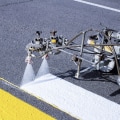
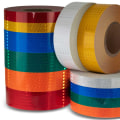
Reflective striping and markings play a crucial role in enhancing visibility and safety across various environments, from roadways to construction sites. These materials are designed to reflect light, making them highly effective in low-light conditions. Their primary purpose is to alert drivers and pedestrians to potential hazards, guiding them safely through areas where visibility may be compromised. Understanding how these reflective elements function is essential for anyone involved in safety management or urban planning.The effectiveness of reflective striping and markings is significantly influenced by the angle of light that strikes their surface.
When light hits these markings at optimal angles, they can reflect a substantial amount of illumination back towards the source, thereby increasing their visibility. Conversely, if the angle is not favorable, the reflective properties can diminish, leading to reduced effectiveness. This phenomenon underscores the importance of considering environmental factors when designing and implementing reflective safety measures.In addition to their practical applications, the science behind reflective markings involves a fascinating interplay between materials and light. Various types of reflective materials are used, each with unique properties that affect how they interact with light.
By exploring these dynamics, we can better appreciate the critical role that reflective striping plays in ensuring safety on our roads and in public spaces. As we delve deeper into this topic, we will examine how different angles of light impact visibility and what this means for safety practices.
The Science of Reflection
The physics of light reflection plays a crucial role in the effectiveness of reflective striping and markings. At the core of this phenomenon is the angle of incidence, which refers to the angle at which incoming light strikes a surface. According to the law of reflection, the angle of incidence is equal to the angle of reflection.This means that for optimal visibility, the light source must be positioned correctly relative to the reflective surface.Different materials used in reflective striping exhibit varying degrees of efficiency based on their composition and structure. Commonly used materials include:
- Glass beads: These are often embedded in paint or tape and work by refracting light. When light hits the beads, it is redirected back towards its source, enhancing visibility.
- Microprismatic sheeting: This advanced material utilizes tiny prisms to reflect light more effectively than traditional glass beads. The design allows for a wider range of angles from which light can be reflected, making it particularly effective in low-light conditions.
- Retroreflective materials: These are designed to return light to its source regardless of the angle at which it strikes.
This property is essential for ensuring that markings remain visible even when viewed from oblique angles.
By optimizing these factors, we can enhance safety on roads and pathways, ensuring that critical markings are seen when they are needed most.
How Light Angle Affects Visibility
The angle of light plays a crucial role in determining the visibility of reflective striping and markings. When light strikes these surfaces, the angle at which it hits can significantly influence how well they reflect light back to the observer. This phenomenon is particularly important in low-light conditions, such as nighttime driving or during inclement weather.One key factor to consider is the incident angle, which refers to the angle at which light approaches the reflective surface. For optimal visibility, light should ideally strike the reflective striping at a perpendicular angle.When this occurs, the maximum amount of light is reflected back towards the source, enhancing visibility.Conversely, when the angle of light is too acute or too obtuse, the effectiveness of the reflection diminishes. For instance:
- Acute Angles: When light hits the reflective surface at a very sharp angle, much of it may scatter away rather than reflecting back towards the observer.
- Obtuse Angles: Similarly, if the light source is positioned too far away or at a wide angle, the reflective properties of the striping may not be fully utilized, leading to reduced visibility.
Real-World Applications and Case Studies
The effectiveness of reflective striping and markings is heavily influenced by the angle of light, which can vary significantly in real-world applications.Understanding this relationship is crucial for enhancing traffic safety and ensuring that road users can easily identify important markings.
Case Study: Urban Traffic Management
In a recent study conducted in a metropolitan area, researchers analyzed the visibility of reflective striping on busy intersections during different times of the day. They found that when headlights approached at a low angle, the reflective properties of the markings were significantly enhanced, making them more visible to drivers. Conversely, during midday when the sun was directly overhead, the effectiveness of these markings diminished due to glare.Application in Construction Zones
Another practical example can be seen in construction zones where road markings are essential for guiding traffic safely. A case study from a major highway project revealed that using high-intensity reflective materials improved visibility at night and during inclement weather.The angle of light from vehicle headlights played a critical role; markings positioned at an optimal height and angle were more effective in reflecting light back to drivers.
Best Practices for Implementation
- Material Selection: Choose high-quality reflective materials that perform well under various lighting conditions.
- Marking Placement: Position reflective striping at angles that maximize visibility based on typical traffic patterns.
- Regular Maintenance: Ensure that markings are maintained and replaced as needed to retain their reflective properties.
Best Practices for Using Reflective Striping
To ensure optimal visibility of reflective striping and markings, it is crucial to follow best practices during both installation and maintenance. These practices not only enhance safety but also prolong the lifespan of the markings.Installation Tips
- Choose the Right Material: Select high-quality reflective materials that are specifically designed for the intended environment, whether it be roadways, parking lots, or pedestrian pathways.
- Consider the Angle of Light: Install reflective striping at angles that maximize visibility under various lighting conditions. For instance, markings should be oriented to reflect light from vehicle headlights effectively.
- Surface Preparation: Ensure that the surface is clean, dry, and free from debris before application.
Proper surface preparation enhances adhesion and durability.
- Follow Manufacturer Guidelines: Adhere to the specific installation instructions provided by manufacturers to achieve the best results.
Maintenance Tips
- Regular Inspections: Conduct routine checks to assess the condition of reflective striping and markings. Look for wear, fading, or damage that could impair visibility.
- Cleanliness is Key: Keep markings free from dirt, grime, and other obstructions. Regular cleaning can significantly enhance reflectivity and visibility.
- Timely Repairs: Address any damage or fading promptly. Reapply or replace markings as needed to maintain their effectiveness.
- Monitor Environmental Factors: Be aware of how weather conditions, such as rain or snow, can affect visibility.
Adjust maintenance schedules accordingly to ensure consistent performance.
Frequently Asked Questions (FAQs)
Understanding the impact of light angles on reflective striping and markings is crucial for ensuring their effectiveness in various environments. Here are some frequently asked questions that address common concerns regarding visibility:- How does the angle of light affect visibility? The angle at which light strikes reflective materials significantly influences their visibility. When light hits the reflective surface directly, it enhances brightness and clarity. However, if the light source is at a steep angle, the effectiveness of the reflection diminishes, making the markings less visible.
- What types of lighting conditions are best for reflective striping? Ideally, reflective striping performs best under low-light conditions with direct light sources, such as headlights from vehicles.
This is why they are commonly used on roads and pathways where vehicle traffic is prevalent.
- Can weather conditions impact the visibility of reflective markings? Yes, adverse weather conditions like rain or fog can affect visibility. Water can create a layer over reflective surfaces, diffusing light and reducing reflectivity. Regular maintenance is essential to ensure that these markings remain effective.
- Are there different types of reflective materials? Absolutely! There are various types of reflective materials used in striping, including glass beads and microprismatic sheeting. Each type has unique properties that affect how they reflect light at different angles.
Conclusion: Key Takeaways on Light Angles and Reflective Markings
Understanding the relationship between light angles and the visibility of reflective striping and markings is crucial for ensuring safety in various environments.Throughout this article, we have explored how different angles of light can significantly impact the effectiveness of these reflective materials.
Key Takeaways:
- Optimal Angles: The most effective visibility of reflective striping occurs when light hits the surface at specific angles, typically between 30 to 60 degrees. This range maximizes the retroreflective properties of the materials used.
- Material Composition: Different reflective materials respond uniquely to light angles. Understanding the composition of these materials can help in selecting the right type for specific applications.
- Environmental Factors: External conditions such as weather, road surface, and surrounding lighting can alter how reflective markings are perceived. It’s essential to consider these factors when planning installations.
- Maintenance Importance: Regular maintenance of reflective striping is vital.
Dirt, wear, and tear can diminish their effectiveness, making it necessary to ensure they remain clean and intact for optimal visibility.
- Application Context: The context in which reflective markings are used—be it on roads, vehicles, or safety gear—affects how light angles influence visibility. Tailoring the application to specific scenarios enhances safety outcomes.