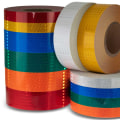
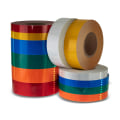
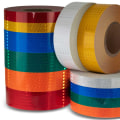
Reflective striping and markings play a crucial role in enhancing safety and visibility across various environments, from roadways to construction sites. These visual aids are designed to reflect light, making them highly visible during low-light conditions, such as nighttime or inclement weather. Understanding what reflective striping and markings are is essential for anyone involved in safety management, urban planning, or transportation. In addition, if you are in need of garage door repair in West Jordan, Utahgarage door repair in West Jordan, Utah, reflective striping and markings can also be used to improve the safety and visibility of your garage entrance.
There are several types of reflective markings, each serving specific purposes. For instance, road markings often include lane dividers, crosswalks, and stop lines that guide drivers and pedestrians alike. In industrial settings, reflective striping can delineate hazardous areas or pathways, ensuring that workers remain aware of their surroundings. The materials used in these markings can vary significantly, with options ranging from paint to adhesive tapes, each offering different levels of durability and reflectivity. The importance of reflective striping cannot be overstated. In many cases, these markings are the first line of defense against accidents and injuries.
They not only improve visibility but also help in organizing traffic flow and enhancing overall safety. As we delve deeper into the various types of reflective striping and markings, it becomes clear that their application is vital for maintaining order and safety in both public and private spaces.
Types of Reflective Striping
Reflective striping and markings play a crucial role in enhancing visibility and safety across various applications. Understanding the different types of reflective striping can help in selecting the right solution for specific needs.1.Roadway Reflective Striping Roadway reflective striping is essential for guiding drivers and ensuring safety on the roads. This type typically includes:- Thermoplastic Markings: These are durable and provide excellent visibility, often used for lane markings and crosswalks.
- Painted Markings: Standard road paint can be enhanced with reflective beads to improve nighttime visibility.
- Preformed Tape: This type is applied to the road surface and is known for its longevity and high reflectivity.
The main types include:
- Conspicuity Tape: Commonly used on trucks and trailers, this tape comes in various colors and patterns to enhance visibility from different angles.
- High-Intensity Prismatic Tape: This type offers superior reflectivity and is often used on emergency vehicles for maximum visibility.
- Retroreflective Material: This material reflects light back to its source, making it ideal for use in low-light environments.
- Fluorescent Colors: Often combined with reflective materials, these colors enhance visibility during the day.
Types of Reflective Markings
Reflective striping and markings play a crucial role in enhancing visibility and safety across various environments. Understanding the different types of reflective markings can help in selecting the right application for specific needs.1.Road Markings
- Center Lines: These are typically used to separate lanes of traffic.
Reflective center lines improve visibility at night and during adverse weather conditions.
- Edge Lines: Found along the sides of roads, these markings help drivers stay within their lanes, especially in low-light situations.
- Crosswalks: Reflective crosswalk markings enhance pedestrian safety by making crossing areas more visible to drivers.
2.Parking Lot Designs
- Parking Spaces: Reflective striping in parking lots helps delineate individual parking spaces, guiding drivers and preventing accidents.
- Directional Arrows: These markings assist in directing traffic flow within parking areas, ensuring a smooth and safe experience for both pedestrians and vehicles.
3.Industrial Applications
- Hazard Markings: In industrial settings, reflective markings are used to indicate hazardous areas, ensuring that workers are aware of potential dangers.
- Loading Zones: Reflective striping in loading zones helps manage traffic and ensures that delivery vehicles can operate safely without obstructing other operations.
Materials Used in Reflective Striping and Markings
When it comes to reflective striping and markings, the choice of materials plays a crucial role in ensuring visibility and durability. Various materials are utilized, each offering unique benefits that enhance the effectiveness of these markings.Common Materials Used
- Glass Beads: One of the most widely used materials, glass beads are embedded in the surface of the striping paint.
They work by reflecting light back to its source, significantly improving visibility at night or in low-light conditions.
- Retroreflective Sheeting: This material is designed to reflect light back towards its source, making it highly effective for road signs and markings. Retroreflective sheeting is often made from a combination of plastic and glass beads, providing a durable and long-lasting solution.
- Thermoplastic Materials: These materials are heated and then applied to surfaces, creating a strong bond that withstands wear and tear. Thermoplastic striping often incorporates reflective elements to enhance visibility.
- Paint with Reflective Additives: Some paints are formulated with reflective additives that increase their visibility. These paints can be applied to various surfaces and are often used for temporary markings.
Durability Considerations
The durability of reflective markings is essential for maintaining safety on roadways.Factors such as weather conditions, traffic volume, and surface type can affect how long these materials last. For instance, thermoplastic materials tend to offer superior durability compared to traditional paint, making them ideal for high-traffic areas.In summary, the selection of materials for reflective striping and markings is vital for ensuring they remain effective over time. By understanding the different types of materials available, stakeholders can make informed decisions that enhance safety and visibility on roadways.
Applications of Reflective Striping and Markings
Reflective striping and markings play a crucial role in enhancing visibility and safety across various industries. Their applications are diverse, ranging from roadways to construction sites, and even emergency services.Transportation
In the transportation sector, reflective striping is essential for road safety.It is commonly used on:
- Highways and Roads: Reflective markings help drivers navigate safely during low-light conditions, reducing the risk of accidents.
- Parking Lots: Clear reflective striping guides vehicles and pedestrians, ensuring organized traffic flow and minimizing collisions.
Construction Sites
Construction zones often pose significant hazards. Here, reflective markings serve multiple purposes:- Safety Barriers: Brightly colored reflective tape on barriers alerts workers and passersby to potential dangers.
- Equipment Visibility: Markings on machinery enhance visibility, preventing accidents during operation.
Emergency Services
Emergency vehicles rely heavily on reflective markings to ensure they are seen quickly:- Ambulances and Fire Trucks: Reflective decals and striping on these vehicles allow them to be easily identified, especially in emergencies.
- Roadside Assistance: Reflective vests and cones help roadside workers remain visible to passing traffic, significantly reducing the risk of injury.
Regulations and Standards for Reflective Striping and Markings
When it comes to reflective striping and markings, adherence to regulations and standards is crucial for ensuring safety on roadways.Various organizations, including the Federal Highway Administration (FHWA) and the American Society for Testing and Materials (ASTM), have established guidelines that govern the use of these materials.
Reflective striping regulations
primarily focus on visibility, durability, and performance under different weather conditions. For instance, the FHWA's Manual on Uniform Traffic Control Devices (MUTCD) outlines specifications for the application and maintenance of reflective markings to ensure they meet minimum visibility requirements during both day and night.- Visibility Standards: Reflective materials must be tested for their retroreflectivity, which measures how much light is returned to its source. This is essential for nighttime visibility.
- Durability Requirements: The materials used in reflective striping must withstand various environmental factors, including UV exposure, rain, and snow, without significant degradation.
- Application Guidelines: Proper application techniques are outlined to ensure that markings adhere correctly to surfaces and maintain their effectiveness over time.
This includes checking for wear and tear, as well as ensuring that the markings remain visible under all conditions.In addition to federal guidelines, many states have their own specific regulations regarding reflective striping. These may include additional requirements based on local traffic patterns or environmental conditions. Therefore, it is essential for those involved in road construction and maintenance to stay informed about both federal and state regulations to ensure full compliance.In summary, understanding the regulations and standards governing reflective striping and markings is vital for maintaining road safety. By adhering to these guidelines, we can ensure that our roadways remain safe and navigable for all users.
FAQs About Reflective Striping and Markings
Reflective striping and markings play a crucial role in enhancing visibility and safety on roads, but many people have questions about their types, applications, and effectiveness.Here are some frequently asked questions that can help clarify common misconceptions.
What are the different types of reflective striping?
- Glass Bead Striping: This type uses tiny glass beads embedded in the paint to reflect light, making it highly visible at night.
- Microprismatic Striping: Utilizing advanced technology, microprismatic materials offer superior reflectivity and durability compared to traditional glass bead systems.
- Thermoplastic Markings: These are durable and can be applied in various colors, providing excellent visibility and longevity.
Are reflective markings only for roads?
No, reflective markings are not limited to roadways. They are also used in parking lots, pedestrian crossings, and even on vehicles to enhance safety in low-light conditions.What are common misconceptions about reflective materials?
- Misconception 1: All reflective materials are the same. In reality, different types offer varying levels of reflectivity and durability.
- Misconception 2: Reflective striping is only effective at night. While they are designed for low-light conditions, they also improve visibility during overcast days or in shaded areas.
Conclusion: The Importance of Choosing the Right Reflective Solutions
In conclusion, understanding the various types of reflective striping and markings is crucial for ensuring safety and compliance in both public and private spaces.The right choice of reflective solutions can significantly enhance visibility, especially in low-light conditions, thereby reducing the risk of accidents.Throughout this article, we explored the different categories of reflective materials, including:
- High-Intensity Prismatic: Ideal for roadways and high-traffic areas due to their superior visibility.
- Engineering Grade: Commonly used for parking lots and internal roadways, offering a balance between cost and visibility.
- Retroreflective Tape: Versatile for various applications, including vehicles and equipment, providing a practical solution for enhancing safety.
- Thermoplastic Markings: Durable and long-lasting, suitable for permanent applications on roads and highways.