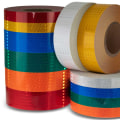
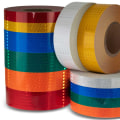
Reflective striping and markings have become essential components in enhancing safety across various environments, from roadways to construction sites. These materials are designed to reflect light, making them visible in low-light conditions and significantly improving the safety of both pedestrians and vehicles. The use of reflective materials dates back several decades, evolving from simple applications to sophisticated technologies that play a crucial role in modern safety protocols. The history of reflective striping can be traced back to the early 20th century when the first attempts were made to improve visibility on roads. Initially, these markings were rudimentary, often painted with white or yellow paint.
However, as traffic increased and the need for safety became paramount, innovations in reflective technology emerged. The introduction of glass beads and retroreflective sheeting revolutionized the way we think about reflective markings, allowing for greater visibility and durability. Today, reflective striping is not only used on highways but also in various safety applications such as parking lots, emergency vehicles, and even clothing for workers in hazardous environments. The evolution of these materials reflects a growing understanding of their importance in preventing accidents and saving lives. As we delve deeper into the history of reflective materials, we will uncover how these innovations have shaped safety standards and continue to influence practices worldwide.
The Origins of Reflective Materials
The use of reflective materials can be traced back to the early 20th century, when the need for improved visibility in low-light conditions became apparent.Initially, these materials were employed in various applications, including road signs and vehicle markings, to enhance safety for both drivers and pedestrians.One of the earliest forms of reflective materials was glass beads, which were used in the 1930s. These beads were embedded in paint and applied to road signs, allowing them to reflect light from vehicle headlights. This innovation marked a significant advancement in safety markings, as it greatly improved the visibility of important information on the roads.In the 1950s, further developments led to the introduction of retroreflective sheeting. This technology utilized a combination of glass beads and prisms to create a more effective reflective surface.
The introduction of this material revolutionized reflective striping on highways and streets, making it easier for drivers to navigate safely at night or during inclement weather.As technology progressed, new materials such as microprismatic sheeting emerged in the late 20th century. These advanced reflective materials offered even greater visibility and durability, leading to their widespread adoption in various safety applications. Today, reflective striping is not only used on roads but also on construction sites, emergency vehicles, and personal protective equipment.The evolution of reflective materials has been driven by a growing awareness of safety needs and technological advancements. As we continue to innovate, the future of reflective materials promises even more effective solutions for enhancing visibility and safety in our everyday environments.
Key Innovations in Reflective Technology
The evolution of reflective striping & markings has been significantly influenced by key innovations in reflective technology.One of the most notable advancements is the development of retroreflective sheeting, which has transformed how we approach visibility and safety in various environments.
Retroreflective technology
utilizes tiny glass beads or prismatic elements embedded in a material to reflect light back to its source. This means that when headlights from vehicles shine on these markings, they illuminate brightly, enhancing visibility for drivers and pedestrians alike. The introduction of this technology in the mid-20th century marked a turning point in road safety, as it allowed for clearer and more effective road signage and lane markings.Another significant innovation is the use of advanced polymer materials that improve durability and performance. These materials are designed to withstand harsh weather conditions, ensuring that reflective striping & markings remain effective over time.For instance, the incorporation of high-performance coatings has led to increased resistance against fading and wear, which is crucial for maintaining visibility in urban settings.
- Microprismatic Technology: This newer form of retroreflective sheeting offers superior brightness compared to traditional glass bead systems, making it ideal for high-traffic areas.
- Self-adhesive Reflective Films: These films have simplified the application process for reflective striping & markings, allowing for quicker installation without the need for specialized equipment.
- Eco-friendly Materials: Recent advancements have also focused on sustainability, with manufacturers developing reflective materials that are less harmful to the environment while still providing excellent visibility.
Reflective Striping in Transportation Safety
The use of reflective striping in transportation safety has evolved significantly over the years, becoming a crucial element in enhancing road safety and reducing accidents. Initially introduced in the mid-20th century, reflective materials were primarily used for road markings to improve visibility during nighttime and adverse weather conditions.Today, reflective striping serves multiple purposes in the realm of road safety markings. These markings are designed to guide drivers, delineate lanes, and indicate hazards.The incorporation of reflective materials allows these markings to be visible even in low-light situations, which is essential for preventing accidents.
- Vehicle Visibility: Reflective striping is not only applied to road surfaces but also to vehicles themselves. Emergency vehicles, construction equipment, and public transport often feature reflective markings to enhance their visibility on the road.
- Accident Prevention: Studies have shown that roads with well-maintained reflective markings experience fewer accidents. This is particularly important in high-traffic areas where quick decision-making is crucial.
- Traffic Safety Innovations: The development of advanced reflective materials has led to innovations such as thermoplastic striping and glass bead technology, which further enhance the effectiveness of these safety measures.
The ongoing advancements in reflective technology promise to make our roads even safer in the future.
Reflective Markings in Industrial and Construction Settings
In industrial and construction settings, reflective striping and markings play a crucial role in enhancing safety and ensuring compliance with various regulations. These environments often present numerous hazards, including moving machinery, uneven surfaces, and low visibility conditions. The strategic use of reflective materials helps mitigate these risks by improving visibility for workers and equipment operators alike.Industrial reflective markings
are commonly applied to floors, walls, and equipment to delineate safe pathways, hazardous areas, and operational zones. For instance, bright yellow or orange reflective stripes can indicate walkways or areas where heavy machinery operates, alerting workers to potential dangers.This visual guidance is essential in preventing accidents and ensuring that employees remain aware of their surroundings.Moreover, the use of reflective materials in industry is not just about visibility; it also aligns with safety regulations set forth by organizations such as OSHA (Occupational Safety and Health Administration). Compliance with these regulations often requires the implementation of specific safety measures, including the use of reflective markings to enhance worker awareness and reduce the likelihood of accidents.
- Enhanced Visibility: Reflective markings are designed to reflect light, making them visible even in low-light conditions or during nighttime operations.
- Accident Prevention: By clearly marking hazardous areas and pathways, reflective striping helps prevent accidents caused by worker misjudgment or lack of awareness.
- Regulatory Compliance: Many industries are required to adhere to safety standards that mandate the use of reflective materials to ensure a safe working environment.
Regulatory Standards for Reflective Materials
The use of reflective materials for safety purposes is governed by a variety of regulatory standards that ensure their effectiveness and reliability. These standards are crucial for maintaining safety in environments where visibility is paramount, such as roadways, construction sites, and emergency response scenarios.Key organizations involved in establishing these regulations include:- Federal Highway Administration (FHWA): The FHWA sets guidelines for the use of reflective materials in traffic control devices, ensuring that reflective striping and markings meet specific visibility requirements under various conditions.
- American National Standards Institute (ANSI): ANSI develops consensus standards that cover the performance of reflective materials, particularly in personal protective equipment (PPE) used by workers in hazardous environments.
- International Organization for Standardization (ISO): ISO provides international standards that help harmonize the use of reflective materials across different countries, promoting safety and compliance on a global scale.
Compliance with these standards is essential for manufacturers and contractors who utilize reflective markings in their projects. Failure to adhere to these regulations can result in increased liability and reduced safety for both workers and the public.For instance, the Manual on Uniform Traffic Control Devices (MUTCD), published by the FHWA, outlines specific requirements for the retroreflectivity of pavement markings. This ensures that road markings remain visible at night or during adverse weather conditions, significantly enhancing safety for drivers and pedestrians alike.Overall, understanding and complying with these regulatory standards is vital for anyone involved in the design, application, or maintenance of reflective striping and markings. By adhering to established guidelines, stakeholders can contribute to safer environments and reduce the risk of accidents related to poor visibility.
Future Trends in Reflective Materials for Safety
As we look to the future, the landscape of reflective striping & markings is poised for significant transformation driven by technological advancements and innovative materials.The demand for enhanced safety measures across various sectors, including transportation, construction, and public safety, is propelling research into new reflective materials that offer improved visibility and durability.
Innovations in Reflective Materials
One of the most promising areas of development is the integration of smart materials that can adapt to environmental conditions. For instance, researchers are exploring the use of thermochromic and photochromic materials that change color or reflectivity based on temperature or light exposure. This could lead to dynamic reflective striping that enhances visibility during low-light conditions or adverse weather.Emerging Technologies in Reflectivity
The advent of nanotechnology is also set to revolutionize the field. By manipulating materials at the molecular level, manufacturers can create coatings that significantly enhance reflectivity without increasing weight or bulk.These advanced coatings could be applied to a variety of surfaces, from roadways to safety gear, ensuring that markings remain visible and effective over time.
Sustainability in Reflective Solutions
In addition to performance enhancements, there is a growing emphasis on sustainability. Future innovations may include the development of eco-friendly reflective materials made from recycled or biodegradable components. This shift not only addresses environmental concerns but also aligns with global initiatives aimed at reducing waste and promoting sustainable practices.As these trends unfold, it is clear that the future of reflective striping & markings will be characterized by a blend of enhanced functionality, adaptability, and sustainability. Stakeholders across industries must stay informed about these advancements to leverage new technologies effectively and improve safety outcomes.FAQs About Reflective Striping and Markings
Reflective striping and markings play a crucial role in enhancing safety across various environments.Here are some frequently asked questions that can help clarify their importance and functionality.
What are reflective striping and markings?
Reflective striping refers to the use of materials that reflect light, typically applied to surfaces like roads, vehicles, and safety gear. These markings are designed to improve visibility, especially in low-light conditions, thereby reducing the risk of accidents.How do reflective materials work?
Reflective materials contain tiny glass beads or prisms that bounce light back towards its source. This retroreflective property ensures that when headlights shine on these markings, they illuminate brightly, making them easily visible to drivers and pedestrians.Where are reflective striping and markings commonly used?
- Roadways: Used for lane dividers, crosswalks, and hazard warnings.
- Construction sites: Markings help delineate safe zones and alert workers to potential dangers.
- Emergency vehicles: Reflective decals enhance visibility during nighttime operations.
- Personal safety gear: Vests and clothing often feature reflective strips to ensure visibility for workers in low-light conditions.
Are there different types of reflective materials?
Yes, there are several types of reflective materials, including:- High-intensity prismatic: Offers superior visibility and is often used in road signs.
- Engineering grade: Commonly used for parking lot striping and general-purpose applications.
- Retroreflective sheeting: Used for traffic signs and vehicle markings.
How long do reflective markings last?
The lifespan of reflective striping can vary based on factors such as environmental conditions, traffic volume, and the quality of the material used. Generally, high-quality reflective materials can last several years before needing replacement.Understanding these aspects of reflective striping and markings can help individuals and organizations make informed decisions about safety measures in their respective environments.Conclusion: The Importance of Reflective Materials in Safety Today
In conclusion, the evolution of reflective striping & markings has played a pivotal role in enhancing safety across various sectors.From their early use in road safety to modern applications in construction and personal protective equipment, reflective materials have proven to be indispensable in preventing accidents and saving lives.The historical journey of these materials highlights their growing importance. Initially developed for basic visibility, advancements in technology have led to the creation of highly effective retroreflective materials that significantly improve visibility under low-light conditions. This is particularly crucial for emergency responders, road workers, and pedestrians who rely on these markings for safety.Moreover, the integration of reflective striping & markings into urban planning and infrastructure design has transformed how we approach safety. Cities are increasingly adopting these materials not just for roads but also for bike lanes, pedestrian crossings, and even public transport systems.
This comprehensive approach ensures that all road users are protected, thereby reducing the likelihood of accidents.As we look to the future, the importance of reflective materials will only continue to grow. With ongoing innovations in material science and design, we can expect even more effective solutions that enhance visibility and safety. It is essential for policymakers, urban planners, and safety professionals to prioritize the use of reflective striping and markings in their strategies to create safer environments.Ultimately, the history of reflective materials is not just a tale of technological advancement; it is a testament to our commitment to safety and the well-being of individuals in our communities. By understanding this history and its implications, we can better appreciate the critical role that reflective striping & markings play in our daily lives.