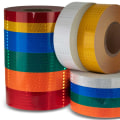
Reflective striping and markings play a crucial role in enhancing safety and visibility on roadways, parking lots, and various other surfaces. These markings are designed to reflect light, making them highly visible during low-light conditions, such as nighttime or inclement weather. By utilizing reflective materials, these stripings help guide drivers and pedestrians, reducing the likelihood of accidents and improving overall traffic flow. The benefits of reflective markings extend beyond mere visibility. They serve as essential tools for communication on the road, indicating lanes, crosswalks, and other critical information that helps maintain order and safety.
In addition to their practical applications in traffic management, reflective striping is also used in construction zones, warehouses, and even on personal vehicles to enhance safety. The strategic placement of these markings can significantly impact how effectively individuals navigate their environments. Understanding the various applications of reflective striping is vital for anyone involved in installation or maintenance. From highways to local streets, the effectiveness of these markings can vary based on factors such as material quality, installation techniques, and environmental conditions. As we delve deeper into this topic, it becomes essential to recognize common mistakes that can undermine the effectiveness of reflective striping and markings.
By avoiding these pitfalls, we can ensure that these vital safety features serve their intended purpose efficiently.
Mistake #1: Ignoring Surface Preparation
When it comes to installing reflective striping & markings, one of the most critical steps is proper surface preparation. Neglecting this aspect can lead to a host of problems that compromise the effectiveness and longevity of the markings.Importance of Surface Cleaning
- Remove Debris: Before applying any reflective materials, ensure that the surface is free from dirt, dust, and debris. Even small particles can prevent proper adhesion, leading to peeling or fading over time.
- Address Oil and Grease: Surfaces contaminated with oil or grease require special attention. Use appropriate degreasers to clean these areas thoroughly, as residues can significantly hinder the bonding process.
- Moisture Management: Ensure that the surface is completely dry before installation.
Moisture can trap air bubbles under the markings, causing them to lift or become discolored.
How to Prepare Surfaces for Markings
- Inspect the Surface: Conduct a thorough inspection of the area where you plan to install the reflective striping. Look for cracks, holes, or other imperfections that may need repair.
- Repair Damages: Fill in any cracks or holes with suitable materials to create a smooth and even surface. This step is crucial for ensuring that the markings adhere properly.
- Test Adhesion: If possible, conduct a small adhesion test on a section of the surface to ensure compatibility with your chosen reflective materials.
Mistake #2: Choosing the Wrong Materials
When it comes to reflective striping and markings, the choice of materials is crucial for ensuring visibility and durability.One of the most common mistakes is opting for subpar materials that do not meet the specific requirements of the installation environment.
Types of Reflective Markings
- Thermoplastic: Known for its durability and resistance to wear, thermoplastic materials are ideal for high-traffic areas.
- Paint: While cost-effective, paint may not provide the same level of reflectivity or longevity as other materials.
- Preformed Tape: This option offers excellent reflectivity and is easy to install, but it can be more expensive than traditional methods.
- Poor Visibility: If the material lacks adequate reflectivity, it can compromise safety, especially in low-light conditions.
- Short Lifespan: Inappropriate materials may degrade quickly under environmental stressors like UV rays, rain, or snow, leading to frequent replacements.
- Increased Costs: While cheaper materials might seem appealing initially, the long-term costs associated with maintenance and replacement can outweigh any initial savings.
Mistake #3: Poor Application Techniques
When it comes to installing reflective striping & markings, the application techniques employed can significantly impact the effectiveness and longevity of the markings. Poor application can lead to a range of issues, from reduced visibility to premature wear.Here are some common application errors and tips for achieving optimal results.
- Inadequate Surface Preparation: One of the most critical steps in applying reflective markings is ensuring that the surface is clean and free from debris. Failing to properly prepare the surface can result in poor adhesion, leading to peeling or flaking over time.
- Incorrect Temperature Conditions: Applying reflective striping in unsuitable weather conditions can compromise the quality of the installation. Ideally, temperatures should be within the manufacturer’s recommended range to ensure proper curing and adhesion.
- Improper Application Tools: Using the wrong tools can lead to uneven application. For instance, rollers or brushes that are not designed for reflective materials may not distribute the product evenly, resulting in inconsistent visibility.
- Neglecting Drying Times: Rushing the process by not allowing adequate drying time between layers can lead to smudging and reduced effectiveness of the reflective properties.
Always adhere to the manufacturer's guidelines regarding drying times.
- Follow Manufacturer Instructions: Always refer to the specific guidelines provided by the manufacturer for best practices on application techniques.
- Use Quality Materials: Invest in high-quality reflective materials that are designed for durability and visibility.
- Practice Consistency: Maintain a steady hand and consistent pressure when applying markings to ensure uniformity across all sections.
- Conduct Regular Inspections: After installation, regularly check the markings for wear and tear, addressing any issues promptly to maintain safety standards.
Mistake #4: Neglecting Environmental Conditions
When it comes to installing reflective striping & markings, one of the most critical factors to consider is the environmental conditions at the time of application. Neglecting these conditions can lead to poor adhesion, reduced visibility, and ultimately, a shorter lifespan for the markings.Impact of Weather on Reflective Striping
- Temperature: The ideal temperature for applying reflective markings typically ranges between 50°F and 85°F. If the temperature is too low, the materials may not cure properly, while excessively high temperatures can cause them to dry too quickly, leading to cracks and peeling.
- Humidity: High humidity levels can also affect the installation process. Moisture in the air can prevent proper adhesion of the reflective materials to the surface, resulting in markings that may lift or fade prematurely.
- Precipitation: Rain or snow can wash away freshly applied markings or dilute the materials, compromising their effectiveness.
It’s essential to check weather forecasts and avoid installation during wet conditions.
Best Conditions for Applying Markings
- Choose a day with clear skies and moderate temperatures for optimal results.
- Avoid windy days, as dust and debris can interfere with the application process.
- Ensure that surfaces are clean and dry before starting the installation to promote better adhesion.
Mistake #5: Failing to Follow Local Regulations
When it comes to installing reflective striping and markings, one of the most critical mistakes to avoid is failing to adhere to local regulations. Each municipality or state may have specific guidelines that dictate how and where these markings should be applied. Ignoring these regulations can lead to significant legal repercussions and safety hazards.Compliance in reflective striping
is not just a matter of aesthetics; it is a legal requirement.Local regulations often specify the types of materials that can be used, the dimensions of the markings, and their placement on the roadway. For instance, some areas may require certain colors for specific purposes, such as yellow for no-parking zones or white for lane dividers.
- Research Local Guidelines: Before beginning any installation, it is essential to research and understand the local laws governing road markings. This may involve consulting with local transportation departments or reviewing municipal codes.
- Obtain Necessary Permits: Many jurisdictions require permits for road marking projects. Failing to secure these permits can result in fines or the need to redo the work.
- Follow Safety Standards: Compliance also includes adhering to safety standards set by organizations such as the Manual on Uniform Traffic Control Devices (MUTCD).
These standards ensure that markings are visible and effective in guiding traffic.
Mistake #6: Overlooking Maintenance Needs
When it comes to reflective striping and markings, many people focus on the initial installation, but one of the most critical aspects is often overlooked: ongoing maintenance.Neglecting the maintenance needs of these markings can significantly reduce their effectiveness and longevity.
Regular Inspections
- Conduct routine inspections to assess the condition of the reflective markings. Look for signs of wear, fading, or damage caused by weather conditions or heavy traffic.
- Pay special attention to areas with high foot or vehicle traffic, as these are more prone to deterioration.
- Keep the surface of the markings clean. Dirt, debris, and grime can diminish the reflectivity of the striping. Use appropriate cleaning methods that do not damage the material.
- If you notice any cracks or peeling, address these issues promptly.
Small repairs can prevent larger problems down the line.
- Establish a reapplication schedule based on traffic patterns and environmental factors. In areas with heavy use, you may need to reapply reflective striping more frequently.
- Consider using high-quality materials that offer better durability and longevity, reducing the frequency of reapplication.
- Be mindful of how weather conditions affect your reflective markings. Rain, snow, and extreme temperatures can impact their performance.
- Plan maintenance activities during favorable weather to ensure optimal results.
FAQs About Reflective Striping and Markings Installation Mistakes
When it comes to installing reflective striping and markings, several common mistakes can lead to ineffective results.Here are some frequently asked questions that address these issues:
- What are the most common mistakes made during installation?
One of the most prevalent errors is improper surface preparation. Failing to clean the area thoroughly can prevent the adhesive from bonding effectively, leading to premature wear. Additionally, not following the manufacturer's guidelines regarding temperature and humidity can compromise the installation. - How can I ensure proper alignment of reflective markings?
Misalignment is a frequent issue that can confuse drivers. To avoid this, use a chalk line or laser level to mark guidelines before applying the reflective striping.This ensures that all markings are straight and uniformly spaced.
- What should I do if my reflective markings are fading quickly?
If you notice that your reflective markings are fading faster than expected, it may be due to low-quality materials or improper application techniques. Always choose high-quality products and ensure that they are applied under optimal conditions. - Can weather conditions affect the installation process?
Yes, weather plays a crucial role in the success of your installation. Rain, snow, or extreme temperatures can hinder adhesion and durability. It’s best to schedule installations during dry, mild weather for optimal results.
Always prioritize quality materials and proper techniques to ensure long-lasting visibility and safety on the road.
Conclusion: Key Takeaways on Avoiding Installation Mistakes
In conclusion, avoiding common mistakes during the installation of reflective striping and markings is crucial for ensuring safety and effectiveness. Here are the key takeaways to keep in mind:- Proper Surface Preparation: Always ensure that the surface is clean, dry, and free from debris. This step is essential for the adhesion of the reflective materials.
- Correct Material Selection: Choose high-quality materials that are suitable for the specific environment where the markings will be applied. Different surfaces and weather conditions may require different types of reflective striping.
- Adherence to Guidelines: Follow local regulations and guidelines regarding the dimensions, colors, and placement of reflective striping and markings.
Compliance not only enhances visibility but also ensures legal adherence.
- Temperature Considerations: Be mindful of the temperature during installation. Applying materials in extreme heat or cold can compromise their effectiveness and longevity.
- Regular Maintenance: After installation, schedule regular inspections to assess the condition of the markings. This proactive approach helps in identifying wear and tear early, allowing for timely repairs or replacements.