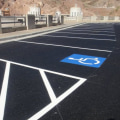
Reflective striping and markings play a crucial role in enhancing safety and visibility on roadways, parking lots, and various other surfaces. These visual aids are designed to reflect light, making them highly visible during low-light conditions such as nighttime or inclement weather. The importance of maintaining the integrity of these markings cannot be overstated, as they guide drivers and pedestrians alike, helping to prevent accidents and ensure smooth traffic flow. In urban environments, where traffic is often heavy and complex, reflective markings serve as essential navigational tools. They delineate lanes, indicate pedestrian crossings, and highlight hazards.
The effectiveness of these markings is directly linked to their visibility; thus, regular maintenance is vital. Over time, factors such as weather conditions, wear from vehicle tires, and environmental pollutants can diminish the reflectivity of these markings, leading to potential safety risks. Understanding the significance of reflective striping is the first step toward implementing best practices for their maintenance. By ensuring that these markings remain bright and visible, we not only comply with safety regulations but also foster a safer environment for all road users. In the following sections, we will explore effective strategies to maintain the visibility of reflective striping and markings, ensuring they continue to serve their critical purpose.
Importance of Visibility in Reflective Striping and Markings
The visibility of reflective striping and markings plays a critical role in ensuring the safety of both drivers and pedestrians.These markings serve as essential guides on roadways, helping to delineate lanes, indicate pedestrian crossings, and provide warnings about potential hazards. When these markings lose their visibility due to wear, weather conditions, or poor maintenance, the risk of accidents significantly increases.One of the primary reasons for maintaining visibility is the safety implications associated with road navigation. For instance, poorly visible lane markings can lead to confusion among drivers, resulting in erratic driving behavior and increased chances of collisions. Similarly, faded pedestrian crossings can endanger those attempting to cross streets, as drivers may not recognize the designated areas.
Factors Affecting Visibility
- Weather Conditions: Rain, fog, and snow can obscure reflective markings, making them less effective.
- Wear and Tear: Continuous traffic and environmental factors can degrade the quality of reflective materials.
- Lighting: Insufficient street lighting can diminish the effectiveness of reflective striping at night.
This includes:
- Routine Assessments: Conducting periodic evaluations of the condition of reflective striping to identify areas needing attention.
- Timely Repainting: Ensuring that markings are repainted before they become too faded to be effective.
- Using High-Quality Materials: Investing in durable and highly reflective materials that withstand various weather conditions.
Materials Used in Reflective Striping and Markings
When it comes to reflective striping and markings, the choice of materials plays a crucial role in ensuring visibility and durability. Various types of materials are utilized, each with unique properties that affect their performance over time.Types of Reflective Materials
- Glass Beads: These are commonly used in road markings due to their ability to reflect light effectively. When embedded in paint, they enhance visibility at night and during adverse weather conditions.
- Prismatic Films: These materials offer superior reflectivity compared to traditional glass beads.
They utilize a micro-prismatic structure that reflects light from multiple angles, making them ideal for high-traffic areas.
- Retroreflective Paints: Specially formulated paints that contain reflective elements, these are often used for road striping. They provide a bright appearance during the day and excellent visibility at night.
Durability of Markings
The longevity of reflective striping and markings is influenced by several factors, including:- Traffic Volume: High traffic areas experience more wear and tear, necessitating the use of more durable materials.
- Environmental Conditions: UV exposure, rain, and snow can degrade materials over time. Selecting weather-resistant options can prolong the lifespan of markings.
- Application Techniques: Proper application methods, such as ensuring adequate surface preparation and using the right thickness of material, can significantly enhance durability.
Regular Maintenance Practices for Reflective Striping
Maintaining the visibility of reflective striping and markings is crucial for ensuring safety on roadways and in various environments.Regular maintenance practices can significantly enhance their effectiveness and longevity. Here are some best practices to consider:
- Routine Inspections: Conduct regular inspections of reflective striping to identify any wear, fading, or damage. This should be done at least twice a year, or more frequently in high-traffic areas.
- Cleaning Methods: Dirt, grime, and debris can accumulate on reflective markings, diminishing their visibility. Use a pressure washer or a soft-bristle brush with a mild detergent to clean the surface.
Avoid harsh chemicals that could damage the reflective material.
- Timely Repairs: Address any issues such as peeling or cracking immediately. Reapply reflective paint or tape as needed to maintain optimal visibility.
- Seasonal Considerations: In regions with harsh weather conditions, inspect and maintain reflective markings before and after winter months. Snow and ice can obscure visibility, so ensure that markings are clear before the onset of winter.
- Use of High-Quality Materials: When applying new striping or markings, opt for high-quality, durable materials that are designed to withstand environmental factors. This will reduce the frequency of maintenance required.
Environmental Factors Affecting Visibility
Maintaining the visibility of reflective striping and markings is crucial for safety, especially in varying environmental conditions.Several factors can significantly impact their effectiveness, particularly weather and seasonal changes.
Weather Impact on Striping
Adverse weather conditions such as rain, snow, and fog can diminish the visibility of reflective striping. For instance:- Rain: Water accumulation on the surface can obscure reflective properties, making it harder for drivers to see markings.
- Snow and Ice: Accumulation can completely cover striping, necessitating regular clearing to maintain visibility.
- Fog: Reduced visibility due to fog can make it difficult for drivers to notice reflective markings, especially if they are not well-maintained.
Environmental Effects on Markings
The materials used in markings can also be affected by environmental factors. For example:- UV Exposure: Prolonged exposure to sunlight can cause fading, reducing the effectiveness of reflective materials.
- Temperature Fluctuations: Extreme heat or cold can lead to cracking or peeling of the markings, compromising their visibility.
- Pavement Conditions: The condition of the road surface itself can affect how well markings adhere and remain visible over time.
Seasonal Considerations
Different seasons bring unique challenges for maintaining reflective striping and markings. For instance:- Spring: Melting snow and rain can wash away or dilute reflective materials, requiring frequent inspections and touch-ups.
- Summer: High temperatures may necessitate the use of heat-resistant materials to prevent degradation.
- Fall: Leaves and debris can obscure markings, making regular cleaning essential to ensure visibility.
Regular maintenance and timely interventions can help ensure that these safety features remain visible under various conditions.
Technological Innovations in Reflective Striping
Recent advancements in technology have significantly enhanced the effectiveness of reflective striping and markings, ensuring they remain visible and durable under various conditions. These innovations not only improve safety but also extend the lifespan of the materials used.Innovations in Reflective Materials
One of the most notable developments is the introduction of high-performance reflective materials. These materials utilize microprismatic technology, which reflects light more efficiently than traditional glass beads. This results in brighter and more visible markings, especially at night or in low-light conditions.Additionally, these materials are designed to withstand harsh weather, reducing the need for frequent maintenance.
Smart Striping Solutions
Another exciting trend is the emergence of smart striping solutions. These systems incorporate sensors and LED technology to create dynamic markings that can change based on traffic conditions. For instance, some smart striping systems can illuminate during peak hours or in adverse weather, providing real-time guidance to drivers. This adaptability not only enhances visibility but also contributes to overall road safety.Eco-Friendly Innovations
As sustainability becomes increasingly important, manufacturers are also focusing on eco-friendly materials for reflective striping and markings.Innovations such as water-based paints and recycled materials are being utilized to create effective yet environmentally responsible solutions. These products maintain high visibility while minimizing environmental impact.In conclusion, the integration of new technologies in reflective striping and markings is crucial for maintaining their visibility and durability. By embracing these advancements, municipalities and organizations can ensure safer roadways for all users.
Regulatory Standards for Reflective Striping and Markings
Maintaining the visibility of reflective striping and markings is crucial for ensuring safety on roadways and in various environments. Compliance with regulatory standards is essential for achieving this goal.Different organizations and government bodies have established guidelines that dictate the use, maintenance, and visibility of these markings.
Regulatory Bodies and Standards
- The Federal Highway Administration (FHWA) sets forth guidelines for the use of reflective materials on roadways, ensuring that they meet specific visibility requirements.
- The American National Standards Institute (ANSI) provides standards that govern the performance of reflective materials, including their retroreflectivity and durability.
- State and local regulations may also impose additional requirements based on regional safety needs and environmental conditions.
Compliance Standards
To ensure compliance with these regulations, it is important to regularly assess the condition of reflective striping and markings. This includes:
- Regular Inspections: Conduct routine checks to evaluate the visibility and condition of markings, looking for wear, fading, or damage.
- Retroreflectivity Testing: Utilize specialized equipment to measure the retroreflectivity of markings, ensuring they meet minimum visibility standards set by regulatory bodies.
- Timely Maintenance: Address any issues promptly by repainting or replacing markings that do not meet compliance standards.
Safety Regulations
The primary goal of these regulations is to enhance safety for all road users. Reflective striping and markings play a vital role in:
- Guiding drivers during low-light conditions.
- Reducing accidents by clearly delineating lanes and hazards.
- Improving overall traffic flow by providing clear visual cues.
FAQs About Reflective Striping and Markings Maintenance
Maintaining the visibility of reflective striping and markings is crucial for ensuring safety on roadways and in various environments. Here are some frequently asked questions regarding their maintenance:What factors affect the visibility of reflective striping?
- Weather conditions: Rain, snow, and fog can significantly reduce visibility.
- Surface wear: Over time, the surface of the markings can wear down due to traffic and environmental factors.
- Lighting: Insufficient lighting can diminish the effectiveness of reflective materials.
How often should reflective markings be maintained?
The frequency of maintenance depends on several factors, including traffic volume and environmental conditions.However, a general guideline is to inspect reflective striping and markings at least once a year. Areas with high traffic or harsh weather may require more frequent checks.
What maintenance practices are recommended?
- Regular inspections: Check for fading, peeling, or damage to the markings.
- Cleaning: Remove dirt, debris, and other obstructions that can hinder visibility.
- Reapplication: If markings are significantly faded or damaged, consider reapplying them to ensure optimal visibility.
Are there specific products for maintaining reflective markings?
Yes, there are specialized cleaning solutions designed for reflective striping and markings. These products help maintain the integrity of the reflective materials without causing damage. Always follow manufacturer guidelines when using these products.What should I do if I notice damaged reflective markings?
If you observe any damage to the reflective striping and markings, it is essential to address it promptly.Report the issue to local authorities or maintenance teams responsible for road safety. Timely repairs can prevent accidents and enhance overall visibility.
Conclusion: Key Takeaways for Maintaining Visibility
In conclusion, maintaining the visibility of reflective striping and markings is crucial for ensuring safety and compliance in various environments, from roadways to parking lots. By implementing best practices, stakeholders can significantly enhance the effectiveness of these vital safety features. Here are the key takeaways to remember:- Regular Inspections: Conduct routine checks to assess the condition of reflective striping and markings. Look for signs of wear, fading, or damage that could compromise visibility.
- Timely Maintenance: Address any issues promptly.
Repainting or repairing markings as soon as they show signs of deterioration helps maintain their effectiveness.
- Quality Materials: Use high-quality reflective materials that meet industry standards. Investing in superior products can lead to longer-lasting visibility.
- Proper Application: Ensure that reflective striping and markings are applied correctly according to manufacturer guidelines. This includes appropriate surface preparation and environmental conditions during application.
- Environmental Considerations: Be aware of factors such as weather conditions and traffic patterns that may affect the longevity of reflective materials. Adjust maintenance schedules accordingly.