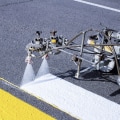
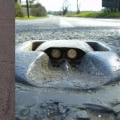
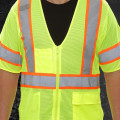
Reflective striping and markings play a crucial role in enhancing safety and visibility on roadways, parking lots, and various other surfaces. These highly visible markings are designed to reflect light, making them essential for guiding drivers and pedestrians, especially in low-light conditions. However, despite their importance, there are several misconceptions surrounding the effectiveness and application of reflective striping and markings that can lead to misunderstandings about their purpose and functionality. One common misconception is that all reflective materials are created equal. In reality, the effectiveness of reflective striping depends on various factors, including the type of material used, the angle of light reflection, and the environmental conditions.
For instance, some materials may perform better in wet conditions than others, which can significantly impact their visibility during rain or fog. Understanding these nuances is vital for ensuring that reflective markings serve their intended purpose. Another prevalent myth is that once installed, reflective striping requires no maintenance. This is far from the truth; over time, wear and tear from traffic, weather conditions, and other environmental factors can diminish the effectiveness of these markings. Regular inspections and maintenance are essential to ensure that reflective striping remains visible and functional.
By addressing these misconceptions early on, we can foster a better understanding of how reflective striping and markings contribute to safety and efficiency on our roads.
What Are Reflective Striping and Markings?
Reflective striping and markings are essential components in road safety and traffic management. They are designed to enhance visibility, especially during low-light conditions, thereby reducing the risk of accidents. These markings are typically made from materials that reflect light, making them easily noticeable to drivers and pedestrians alike.There are several types of reflective markings, each serving a specific purpose:- Road Striping: This includes lane markings, edge lines, and center lines that guide vehicles on the road.
- Crosswalk Markings: These are designed to indicate pedestrian crossing areas, ensuring safety for those on foot.
- Symbols and Icons: Commonly used for indicating parking spaces, bike lanes, and other specific traffic regulations.
- Warning Markings: These include signs and symbols that alert drivers to potential hazards, such as curves or pedestrian zones.
- Parks and Recreational Areas: To guide visitors and ensure safety in high-traffic zones.
- Construction Sites: To delineate safe pathways and alert workers to potential dangers.
- Parking Lots: To organize vehicle spaces and improve overall traffic flow.
Their visibility and clarity help prevent accidents and ensure that both drivers and pedestrians can navigate their environments safely.
Common Misconceptions About Reflective Striping and Markings
When it comes to reflective striping and markings, several misconceptions can lead to misunderstandings about their effectiveness and purpose. Addressing these myths is crucial for enhancing traffic safety and ensuring proper usage.- Myth 1: Reflective Markings Are Only for Nighttime Use
Many believe that reflective striping is only beneficial in low-light conditions. In reality, these markings enhance visibility during the day as well, especially in adverse weather conditions like rain or fog. The reflective properties help drivers see lane boundaries and other critical information more clearly. - Myth 2: All Reflective Materials Are the Same
Not all reflective materials provide the same level of visibility.There are various types of reflective striping, each designed for specific applications and environments. For instance, some materials are engineered for high-traffic areas, while others may be suitable for less busy roads. Understanding these differences is essential for effective traffic management.
- Myth 3: Reflective Markings Are Expensive to Maintain
While initial installation costs can be significant, the long-term benefits of reflective markings often outweigh these expenses. Regular maintenance can extend the lifespan of these markings, making them a cost-effective solution for improving road safety. - Myth 4: Reflective Striping Is Only Necessary in Urban Areas
This misconception overlooks the importance of reflective striping in rural settings as well.Highways and country roads can also benefit from enhanced visibility, particularly in areas where wildlife crossings are common or where road conditions may change unexpectedly.
Misconception 1: Reflective Striping Is Only for Nighttime Use
One of the most prevalent myths surrounding reflective striping and markings is the belief that they are only effective during nighttime. This misconception can lead to a significant underestimation of their importance in daylight conditions. In reality, reflective materials are designed to enhance visibility at all times, including bright daylight.During the day, sunlight interacts with the microprisms or beads embedded in reflective striping, allowing them to reflect light back towards its source. This means that even in full daylight, these markings can be seen clearly by drivers and pedestrians alike.The effectiveness of reflective striping is particularly crucial in high-traffic areas where visibility is paramount for safety.
Importance of Daytime Visibility
The importance of reflective markings during the day cannot be overstated. Here are a few reasons why:- Increased Safety: Reflective striping helps delineate lanes and guide traffic, reducing the risk of accidents.
- Enhanced Awareness: Brightly colored reflective markings draw attention, making it easier for drivers to navigate complex intersections or construction zones.
- Weather Conditions: On overcast days or during rain, reflective striping can still provide critical visibility when natural light is diminished.
Misconception 2: All Reflective Markings Are the Same
One of the most prevalent misconceptions about reflective striping & markings is the belief that all reflective materials are identical in performance and application.In reality, there are various types of reflective materials, each designed for specific conditions and purposes.
Types of Reflective Materials
- Glass Bead Reflective Tape: This type uses tiny glass beads embedded in the surface to reflect light. It is commonly used for road markings and is effective in low-light conditions.
- Microprismatic Reflective Sheeting: This advanced material utilizes a series of microprisms to enhance visibility. It offers superior reflectivity compared to glass beads and is often used in high-traffic areas.
- Fluorescent Reflective Materials: These materials not only reflect light but also fluoresce under certain lighting conditions, making them highly visible during the day and night.
Additionally, environmental factors such as weather and road conditions can impact the longevity and performance of these markings.
Quality of Reflective Striping
Not all reflective markings are created equal; the quality can differ based on manufacturing standards and application techniques. High-quality reflective striping will maintain its visibility over time, even under harsh conditions, while inferior products may fade or lose their effectiveness quickly. Investing in quality reflective materials ensures safety and compliance with regulations, making it essential for municipalities and businesses alike.Understanding these differences is vital for making informed decisions about reflective striping & markings. By recognizing that not all materials are the same, stakeholders can choose the right type for their specific needs, ultimately enhancing safety and visibility on roads and pathways.Misconception 3: Reflective Striping Is Only for Roads
Many people believe that reflective striping and markings are solely for roadways, but this is a significant misconception.In reality, these safety features have a wide range of applications across various environments, enhancing visibility and safety in numerous settings.One prominent application of reflective striping is in parking lots. Here, reflective markings help guide drivers and pedestrians, especially during nighttime or low-light conditions. By clearly delineating parking spaces and walkways, these markings reduce the risk of accidents.Another critical area is construction sites. Reflective striping is often used to mark hazardous zones, ensuring that workers and visitors can easily identify areas that require caution.
This is particularly important in environments where heavy machinery operates, as visibility can be compromised.
Industrial facilities
also benefit from reflective markings. In warehouses and factories, these markings are used to indicate safe pathways for employees and to highlight emergency exits. This not only improves safety but also enhances operational efficiency by guiding the flow of traffic within the facility.In addition to these applications, reflective striping plays a vital role in public transportation. Bus stops and train stations often utilize reflective markings to ensure that passengers can easily locate their boarding areas, especially during nighttime hours.Moreover, reflective striping is increasingly being adopted in outdoor recreational areas, such as parks and trails.These markings help guide hikers and cyclists, ensuring they stay on designated paths while enhancing their visibility to others.In summary, the use of reflective striping and markings extends far beyond roadways. From parking lots to construction sites and industrial facilities to public transportation hubs, these safety features are essential in various environments. Their ability to enhance visibility not only promotes safety but also fosters a more organized and efficient use of space.
Misconception 4: Reflective Markings Are Expensive to Install
One of the most prevalent misconceptions surrounding reflective striping & markings is the belief that they are prohibitively expensive to install. While it’s true that initial costs can vary, it’s essential to consider the long-term benefits and potential savings associated with these safety features.When evaluating the cost of reflective striping installation, it’s important to recognize that there are various options available that can fit different budgets.For instance, some municipalities and organizations have successfully implemented budget-friendly options for reflective markings by utilizing durable materials that offer longevity without breaking the bank. These materials can withstand harsh weather conditions and heavy traffic, reducing the need for frequent replacements.
Long-Term Value of Safety Investments
Investing in reflective striping & markings is not merely an upfront expense; it is a strategic decision that enhances safety and visibility. Studies have shown that areas with well-marked reflective striping experience fewer accidents, which can lead to significant savings in terms of medical costs, legal fees, and property damage. In this light, the initial investment can be seen as a cost-saving measure over time.- Reduced Accident Rates: Enhanced visibility leads to safer roadways.
- Lower Maintenance Costs: Durable materials require less frequent replacement.
- Insurance Benefits: Some insurance companies may offer discounts for properties with improved safety measures.
By exploring various installation options and recognizing the long-term benefits, stakeholders can make informed decisions that prioritize both safety and budget efficiency.
Misconception 5: Reflective Striping Requires Frequent Replacement
One of the most prevalent misconceptions about reflective striping and markings is that they require frequent replacement due to wear and tear. In reality, the durability of these markings is often much greater than many people assume. Modern reflective materials are designed to withstand various environmental conditions, including extreme temperatures, heavy traffic, and harsh weather.The lifespan of reflective striping can vary based on several factors, including:- Traffic Volume: Areas with high traffic may experience more wear, but quality materials can still last several years.
- Environmental Conditions: UV exposure, rain, and snow can affect longevity, yet many products are engineered to resist fading and degradation.
- Application Method: Proper installation techniques can significantly enhance the lifespan of reflective markings.
This proactive approach ensures that the markings remain effective without the need for complete overhauls.Moreover, advancements in technology have led to the development of more durable materials that can last up to 10 years or more under optimal conditions. This means that while some maintenance is necessary, the idea that reflective striping needs to be replaced frequently is largely unfounded.In conclusion, understanding the true durability and maintenance needs of reflective striping and markings can help dispel this misconception. By investing in high-quality materials and adhering to a regular maintenance schedule, road authorities can ensure safety without incurring excessive costs from frequent replacements.
FAQs About Reflective Striping and Markings
Reflective striping and markings play a crucial role in road safety, yet several misconceptions persist. Here are some frequently asked questions that clarify these misunderstandings:- What is the purpose of reflective striping? Reflective striping is designed to enhance visibility during low-light conditions, such as nighttime or inclement weather.
This helps drivers identify lanes, road edges, and hazards more effectively.
- Are all reflective markings the same? No, reflective markings vary in type and quality. Some are designed for high-traffic areas, while others are suitable for residential streets. The materials used can also differ, affecting their durability and reflectivity.
- How long do reflective markings last? The lifespan of reflective striping depends on several factors, including traffic volume, weather conditions, and the quality of materials used. Generally, high-quality markings can last several years before needing replacement.
- Do reflective markings work in all weather conditions? While reflective striping significantly improves visibility in rain or fog, its effectiveness can be reduced if the surface is dirty or worn.
Regular maintenance is essential to ensure optimal performance.
- Can reflective striping reduce accidents? Yes, studies have shown that well-maintained reflective markings can lead to a decrease in accidents by improving driver awareness and navigation.
Conclusion: Clarifying the Truth About Reflective Striping and Markings
In conclusion, understanding the realities surrounding reflective striping and markings is crucial for both safety and compliance. Throughout this article, we have addressed several common misconceptions that can lead to confusion and misapplication of these vital road safety features. One of the most prevalent myths is that all reflective materials are created equal. In reality, the effectiveness of reflective striping depends on various factors, including the type of material used, the angle of light reflection, and environmental conditions.High-quality materials are designed to enhance visibility under different circumstances, making them essential for effective traffic management. Another misconception is that reflective markings are only necessary in high-traffic areas. However, reflective striping plays a critical role in enhancing safety in all environments, including residential streets and rural roads. Properly placed markings can significantly reduce accidents by guiding drivers and pedestrians alike. Moreover, some believe that once applied, reflective markings do not require maintenance. This is far from the truth; regular inspections and maintenance are vital to ensure that these markings remain visible and effective over time. To summarize:
- Reflective materials vary in quality, impacting their visibility and effectiveness.
- Reflective striping is essential in all types of roadways, not just busy intersections.
- Ongoing maintenance is necessary to keep reflective markings functional.
It is imperative for communities to prioritize accurate information and invest in high-quality reflective solutions to enhance public safety.