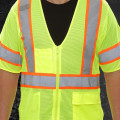
Reflective striping and markings play a crucial role in enhancing visibility and safety across various environments. These reflective materials are designed to reflect light, making them particularly effective in low-light conditions. Whether on roadways, parking lots, or even on personal protective equipment, the strategic use of reflective striping can significantly reduce the risk of accidents by ensuring that objects and individuals are easily seen. There are several types of reflective markings, each tailored for specific applications. For instance, some are engineered for high durability and weather resistance, making them ideal for outdoor use, while others may be more suited for indoor environments.
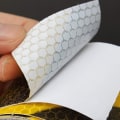
Common materials used in these markings include glass beads, microprismatic elements, and various polymer films, each contributing to the effectiveness of the reflective properties. Understanding the different types of reflective materials is essential for selecting the right solution for your needs. As we delve deeper into the topic, we will explore how these materials can be applied not only on flat surfaces but also on curved surfaces, expanding their usability in diverse settings. This knowledge will empower you to make informed decisions about implementing reflective striping and markings in your projects.
The Importance of Reflective Striping in Safety
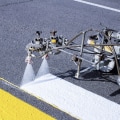
Reflective striping and markings play a critical role in enhancing safety across various environments, particularly on roadways and construction sites. Their primary function is to improve visibility, especially in low-light conditions or adverse weather, making them essential for both drivers and pedestrians.One of the key benefits of reflective striping is its ability to reduce accidents.By clearly delineating lanes, crosswalks, and hazardous areas, these markings guide individuals safely through potentially dangerous situations. For instance, in construction zones, reflective markings can alert drivers to changes in traffic patterns or the presence of workers, significantly lowering the risk of collisions.Moreover, reflective striping enhances visibility not just during nighttime but also during foggy or rainy conditions. The reflective materials used in these markings are designed to bounce light back towards its source, making them stand out even when visibility is compromised. This feature is particularly important for emergency vehicles that rely on clear visual cues to navigate through traffic swiftly.
- Increased Awareness: Reflective markings serve as a visual reminder for drivers to remain vigilant, especially in areas where sudden changes may occur.
- Guidance for Navigation: They provide essential guidance for navigating complex intersections or construction sites, helping to prevent confusion and potential accidents.
- Enhanced Safety for Vulnerable Road Users: Pedestrians and cyclists benefit significantly from reflective striping, as it increases their visibility to motorists.
They are vital tools in promoting safety and enhancing visibility in various settings. As urban environments continue to evolve and traffic patterns become more complex, the implementation of effective reflective striping will remain a cornerstone of public safety initiatives.
Challenges of Applying Reflective Striping on Curved Surfaces
Applying reflective striping & markings on curved surfaces presents a unique set of challenges that can significantly impact the effectiveness and durability of the application. Understanding these challenges is crucial for achieving optimal results.- Adhesion Issues: One of the primary challenges is ensuring proper adhesion of the reflective materials to the curved surface. The curvature can create tension points where the material may not fully bond, leading to peeling or lifting over time.
This is particularly problematic on surfaces with complex geometries.
- Material Flexibility: The flexibility of the reflective striping & markings material is another critical factor. Many reflective materials are designed for flat surfaces and may not conform well to curves. This can result in wrinkles or bubbles that compromise both appearance and functionality.
- Surface Preparation: Proper surface preparation is essential for successful application. Curved surfaces often require more meticulous cleaning and priming to ensure that contaminants do not interfere with adhesion.
Any irregularities or imperfections on the surface can also affect how well the reflective material adheres.
Techniques for Successful Application on Curved Surfaces
Applying reflective striping and markings on curved surfaces can be challenging, but with the right techniques and tools, it can be done effectively. Here are some practical methods to ensure a successful application:- Choose the Right Material: Select high-quality reflective vinyl that is specifically designed for curved surfaces.
These materials are more flexible and can conform better to the shape of the surface.
- Surface Preparation: Ensure that the surface is clean, dry, and free from any debris or contaminants. Use a suitable cleaner to remove grease or dirt, which can affect adhesion.
- Use Heat for Flexibility: Applying heat to the reflective striping can increase its flexibility. A heat gun or hairdryer can be used to gently warm the material before application, allowing it to better conform to curves.
- Start from the Center: When applying the striping, begin at the center of the curve and work your way outwards. This technique helps to minimize air bubbles and ensures a smoother application.
- Utilize a Squeegee: A squeegee can help press the reflective material into place, especially around curves.
Use a soft-edged squeegee to avoid damaging the material while ensuring good adhesion.
- Overlap Edges: If multiple strips are being applied, ensure that they overlap slightly at the edges. This prevents gaps that could compromise visibility and effectiveness.
Frequently Asked Questions about Reflective Striping on Curved Surfaces
When considering the application of reflective striping & markings on curved surfaces, several common questions arise. Below, we address these frequently asked questions to provide clarity and guidance for those looking to implement reflective solutions in non-linear environments.Can reflective striping be applied to all types of curved surfaces?
While reflective striping & markings can be applied to many curved surfaces, the material and curvature type play a significant role in the effectiveness of the application.Surfaces that are gently curved, such as vehicle hoods or rounded signage, typically allow for better adhesion and visibility. However, highly contoured or irregular surfaces may present challenges that require specialized techniques or materials.
What materials are best for curved applications?
- Flexible vinyl films: These are often recommended for their ability to conform to curves without compromising the reflective quality.
- High-performance reflective tapes: These tapes are designed specifically for challenging surfaces and can maintain their integrity even on curves.
- Custom-cut reflective decals: For unique shapes or designs, custom solutions can ensure a perfect fit on any curvature.
Are there any special techniques for applying reflective striping on curves?
Yes, applying reflective striping & markings on curved surfaces often requires specific techniques:- Heat application: Using a heat gun can help soften the material, allowing it to better conform to the surface.
- Pre-stretching: Gently stretching the material before application can reduce wrinkles and improve adhesion.
- Using a squeegee: A squeegee can help eliminate air bubbles and ensure a smooth finish.
Conclusion: The Future of Reflective Striping Applications
As we look towards the future of reflective striping and markings, it is clear that innovation will play a crucial role in expanding their applications. The advancements in materials and technology are paving the way for more versatile uses, particularly on challenging surfaces such as curves and irregular shapes.One of the most promising trends is the development of flexible reflective materials that can easily conform to various surfaces.This adaptability not only enhances visibility but also ensures safety in environments where traditional markings may fail. For instance, in urban settings, where roads often curve and change elevation, these new materials can provide consistent visibility for drivers and pedestrians alike.
Potential Innovations
- Smart Reflective Technologies: Integrating sensors with reflective striping could lead to dynamic markings that change based on traffic conditions or weather, improving safety and efficiency.
- Eco-Friendly Materials: The push for sustainability may lead to the creation of reflective materials made from recycled or biodegradable components, reducing environmental impact while maintaining effectiveness.
- Enhanced Durability: Future innovations may focus on increasing the lifespan of reflective markings, ensuring they remain effective even in harsh weather conditions.