Reflective striping and markings play a crucial role in enhancing visibility and safety in various environments, from roadways to industrial settings. These highly visible markings are designed to reflect light, making them easily noticeable during low-light conditions or adverse weather. By utilizing materials that bounce back light, reflective striping ensures that important information, such as lane boundaries, hazard warnings, and directional cues, can be seen clearly by drivers and pedestrians alike. The benefits of reflective striping extend beyond mere visibility. They contribute significantly to accident prevention by guiding traffic flow and alerting individuals to potential dangers.
In construction zones, for instance, reflective markings help delineate safe pathways and alert workers to hazardous areas. Additionally, these markings can enhance the aesthetic appeal of a space while serving functional purposes, making them a versatile choice for various applications. As we delve deeper into the topic of reflective markings, it becomes evident that customization is a key consideration. Tailoring these markings to meet specific needs not only improves their effectiveness but also allows for greater creativity in design. Whether it’s adjusting the color scheme for branding purposes or modifying the size and shape for unique environments, the possibilities for customization are vast.
This flexibility ensures that reflective striping can be adapted to suit any setting while maintaining its primary function of safety and visibility.
The Importance of Customization in Reflective Striping
Customization in reflective striping and markings is not just a matter of aesthetics; it plays a vital role in enhancing safety, visibility, and brand identity. When tailored to specific environments and needs, these markings can significantly improve their effectiveness.Importance of Customization Every location has unique requirements based on factors such as traffic patterns, lighting conditions, and the nature of the surrounding environment. For instance, a construction site may require more robust and visible markings compared to a parking lot. Custom reflective striping ensures that the markings are not only visible during the day but also stand out at night or in low-light conditions.Benefits of Custom Reflective Striping- Enhanced Safety: Customized markings can guide drivers and pedestrians more effectively, reducing the risk of accidents.
- Increased Visibility: Tailored reflective materials can be chosen based on specific visibility needs, ensuring that markings are seen from greater distances.
- Branding Opportunities: Businesses can incorporate their logos or colors into reflective striping, reinforcing brand identity while maintaining safety standards.
For example, schools may opt for playful designs that appeal to children, while industrial sites might require more straightforward, functional markings. This level of customization not only enhances the visual appeal but also communicates important information effectively. In conclusion, investing in customized reflective striping and markings is essential for maximizing their impact. By addressing specific needs and conditions, organizations can ensure that their safety measures are both effective and visually appealing.
Types of Reflective Striping and Markings Available for Customization
When it comes to reflective striping and markings, customization options are vast and varied, catering to different needs and applications. Understanding the types available can help you make informed decisions for your specific requirements.Types of Reflective Striping
- Roadway Striping: Commonly used for lane markings, these strips enhance visibility for drivers, especially at night or in adverse weather conditions.
Custom colors and widths can be tailored to meet local regulations.
- Parking Lot Striping: Customizable options include different colors and patterns to designate parking spaces, fire lanes, or no-parking zones. This not only improves organization but also enhances safety.
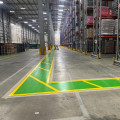
- Industrial Striping: Used in warehouses and factories, these strips can be customized for safety zones, walkways, and equipment areas. High-visibility colors can be selected based on the environment.
Types of Reflective Markings
- Traffic Signs: Reflective markings on signs can be customized with specific messages or symbols to convey important information effectively. This is crucial for ensuring compliance with traffic laws.
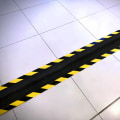
- Safety Markings: These include floor markings in commercial spaces that guide foot traffic or indicate hazardous areas.
Custom shapes and colors can be designed to fit the layout of the facility.
- Vehicle Markings: Custom reflective decals or wraps for vehicles enhance visibility while also allowing businesses to promote their brand. Options include logos, contact information, and other branding elements.
Materials Used in Custom Reflective Striping and Markings
When it comes to custom reflective striping and markings, the choice of materials plays a crucial role in determining their effectiveness, durability, and overall appearance. Various types of reflective materials are available, each with unique properties that cater to different applications.Types of Reflective Materials
- Glass Bead Reflective Sheeting: This is one of the most common materials used for reflective striping.
It consists of tiny glass beads embedded in a polymer film, which reflects light effectively. This type is often used for road signs and vehicle markings due to its high visibility.
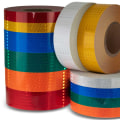
- Microprismatic Reflective Sheeting: This advanced material uses microprisms to enhance light reflection. It offers superior visibility at wider angles compared to glass bead sheeting, making it ideal for applications where visibility is critical, such as emergency vehicles and construction sites.
- Vinyl Films: Custom vinyl films can be printed with reflective inks, allowing for personalized designs while maintaining reflectivity. These films are versatile and can be used for various applications, including vehicle graphics and safety markings.
Durability of Reflective Materials
The durability of reflective materials is essential for ensuring that the striping and markings remain effective over time.Factors such as weather resistance, abrasion resistance, and UV stability are critical considerations:
- Weather Resistance: High-quality reflective materials are designed to withstand harsh weather conditions, including rain, snow, and extreme temperatures.
- UV Stability: Prolonged exposure to sunlight can degrade some materials. Choosing UV-stabilized options ensures that the colors remain vibrant and the reflectivity is maintained.
- abrasion Resistance: For areas with high foot or vehicle traffic, selecting materials that resist wear and tear will prolong the life of the markings.
Design Options for Custom Reflective Striping and Markings
When it comes to customizing reflective striping and markings, the design options are virtually limitless. Businesses and organizations can tailor their markings to meet specific needs, enhance visibility, and convey important information effectively.Color Choices
One of the most significant aspects of reflective striping is color.Different colors can evoke various emotions and serve distinct purposes. For instance, bright colors like yellow and orange are often used for caution, while blue can indicate informational signage. Customizing the color of your reflective markings not only improves visibility but also allows for brand alignment.
Patterns and Shapes
Beyond color, the patterns and shapes of reflective striping can be customized to fit specific applications. Common patterns include:- Solid Lines: Ideal for demarcating lanes or boundaries.
- Dotted Lines: Useful for indicating temporary zones or pedestrian crossings.
- Zebra Stripes: Effective for crosswalks, enhancing safety for pedestrians.
Incorporating Logos and Text
Another exciting option for custom designs is the incorporation of logos or text into reflective markings.This feature is particularly beneficial for businesses looking to promote their brand while ensuring safety. Custom logos can be integrated into road markings, parking lots, or even on safety vests, making them not only functional but also a marketing tool.
Creative Ideas for Striping
For those looking to think outside the box, consider these creative ideas:- Themed Markings: Use seasonal themes or event-specific designs to engage the community.
- Interactive Elements: Incorporate QR codes into your striping that link to safety information or promotional content.
- Artistic Designs: Collaborate with local artists to create visually appealing reflective art that serves a practical purpose.
Regulations and Standards for Custom Reflective Striping
When it comes to reflective striping and markings, understanding the applicable regulations and standards is crucial for ensuring safety and compliance. Various organizations and government bodies have established guidelines that dictate how these markings should be applied, particularly in environments where visibility is paramount.Federal Regulations
- The Federal Highway Administration (FHWA) sets forth standards for reflective striping on roadways, ensuring that markings are visible under low-light conditions.
- The Manual on Uniform Traffic Control Devices (MUTCD) provides specifications for the design, application, and maintenance of traffic markings.
State and Local Compliance
- Many states have their own regulations that may be more stringent than federal guidelines.
It is essential to consult local laws to ensure compliance.
- Local municipalities may also have specific requirements for reflective markings in parking lots, pedestrian crossings, and other public spaces.
Industry Standards
- The American National Standards Institute (ANSI) and the International Organization for Standardization (ISO) provide additional guidelines that can influence the use of reflective materials.
- Standards such as ASTM D4956 outline the performance characteristics of retroreflective sheeting used in traffic signs and markings.
How to Choose a Provider for Custom Reflective Striping and Markings
When it comes to selecting a provider for custom reflective striping and markings, there are several key factors to consider to ensure you receive high-quality service and products that meet your specific needs.Experience and Expertise
First and foremost, assess the experience of the provider. Look for companies that have a proven track record in the industry. A provider with extensive experience is more likely to understand the nuances of reflective striping and markings, including compliance with safety regulations and the latest technology in materials.Quality of Materials
The quality of materials used in custom markings is crucial.Inquire about the types of reflective materials they offer, as well as their durability and visibility under various conditions. High-quality materials not only enhance safety but also ensure longevity, reducing the need for frequent replacements.
Customization Options
Another important factor is the range of customization options available. A good provider should offer a variety of colors, patterns, and sizes to meet your specific requirements. Ask if they can accommodate unique designs or logos, as this can be essential for branding purposes.Customer Reviews and Testimonials
Before making a decision, take the time to read customer reviews and testimonials.Feedback from previous clients can provide valuable insights into the provider's reliability, quality of work, and customer service. Look for companies that consistently receive positive feedback.
Pricing and Quotes
While cost should not be the sole determining factor, it is important to obtain quotes from multiple providers. Compare pricing structures and ensure that you understand what is included in each quote. Be wary of prices that seem too good to be true, as they may indicate lower quality materials or services.After-Sales Support
Finally, consider the level of after-sales support offered by the provider.A reputable company should provide assistance even after the installation is complete, whether it’s for maintenance advice or addressing any issues that may arise.By carefully evaluating these factors, you can choose a provider for custom reflective striping and markings that meets your needs and ensures safety and visibility in your environment.
FAQs About Customizing Reflective Striping and Markings
When considering reflective striping and markings, many people have questions about customization options. Here are some frequently asked questions that can help clarify the process.Can Reflective Striping Be Customized?
Yes, reflective striping can be customized to meet specific needs. This includes variations in color, width, and design. Businesses often choose custom markings to enhance visibility and convey important information, such as safety instructions or branding elements.Customization allows for a tailored approach that aligns with the unique requirements of each project.
How Long Does Customization Take?
The time required for customization of reflective markings can vary based on several factors, including the complexity of the design and the production capacity of the manufacturer. Generally, you can expect the process to take anywhere from a few days to several weeks. It’s advisable to discuss timelines with your supplier to ensure your project stays on schedule.Cost of Custom Markings
The cost associated with custom reflective striping and markings depends on various elements such as material quality, design intricacy, and order volume. Typically, custom options may be more expensive than standard products due to the additional labor and resources involved.To get an accurate estimate, it’s best to request quotes from multiple suppliers and compare their offerings.In summary, customizing reflective striping and markings is not only possible but also beneficial for enhancing safety and visibility. Understanding the customization process, timeline, and costs can help you make informed decisions for your project.
Conclusion: The Future of Custom Reflective Striping and Markings
In conclusion, the evolution of reflective striping and markings has opened up a world of possibilities for customization, significantly enhancing safety and visibility in various environments. As we have explored, the ability to tailor these markings to specific needs not only improves their effectiveness but also allows for greater creativity in design. Customization can take many forms, including:- Color Variations: Different colors can be used to signify various hazards or areas, making it easier for individuals to identify potential dangers.
- Pattern Design: Unique patterns can be created to suit specific applications, whether for roadways, parking lots, or industrial settings.
- Size and Scale: Adjusting the size of reflective markings ensures they are visible from appropriate distances, catering to the specific requirements of each location.
- Enhancing Safety: By improving visibility, customized markings help prevent accidents and ensure that individuals are aware of their surroundings.
- Increasing Compliance: Tailored markings can help organizations meet regulatory standards while also promoting best practices in safety.
- Boosting Aesthetics: Custom designs can enhance the visual appeal of an area, making it more inviting while still serving its functional purpose.
Innovations in materials and technology will continue to expand the possibilities for customization, ensuring that safety remains a top priority across all sectors. Embracing these advancements will not only improve visibility but also foster a culture of safety that benefits everyone.