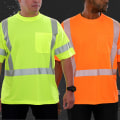
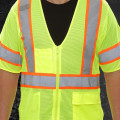
In an increasingly busy world, reflective striping and markings play a crucial role in enhancing safety and visibility across various environments. These visual aids are designed to reflect light, making them highly visible during low-light conditions, such as nighttime or inclement weather. Understanding what reflective striping is and how it functions is essential for anyone involved in road safety, construction, or urban planning. At its core, reflective striping refers to the application of materials that possess reflective properties on surfaces like roads, vehicles, and safety gear. These markings are often made from specialized paints or tapes that contain glass beads or other reflective elements.
The primary purpose of these markings is to guide and inform drivers and pedestrians, ensuring they can navigate safely through various environments. The importance of reflective markings cannot be overstated. They significantly reduce the risk of accidents by improving visibility in critical areas such as roadways, parking lots, and construction sites. By providing clear visual cues, reflective striping helps to delineate lanes, indicate hazards, and enhance overall situational awareness. As we delve deeper into this topic, we will explore the different types of reflective materials used, their applications, and the standards that govern their use in various settings.
What is Reflective Striping?
Reflective striping refers to the use of specially designed materials that reflect light, enhancing visibility in various environments.This technology is crucial for safety, particularly in low-light conditions, as it helps to guide and inform drivers, pedestrians, and workers about potential hazards.
Types of Reflective Striping
- Road Markings: These are typically painted lines on roadways that indicate lanes, crosswalks, and other important traffic information. They often utilize retroreflective paint to ensure they are visible at night.
- Vehicle Striping: Commonly found on emergency vehicles, delivery trucks, and construction equipment, these stripes are designed to make vehicles more noticeable to other road users.
- Safety Apparel: Reflective striping is also used in clothing worn by construction workers, police officers, and emergency responders to enhance their visibility in hazardous environments.
Uses of Reflective Striping
The applications of reflective striping & markings are vast and varied:- Road Safety: Reflective markings on roads help reduce accidents by clearly delineating lanes and guiding drivers during nighttime or adverse weather conditions.
- Construction Sites: In construction zones, reflective striping is essential for alerting both workers and motorists to potential dangers, ensuring a safer working environment.
- Event Management: During large events or festivals, reflective markings can be used to manage crowd flow and ensure safety by directing attendees away from hazardous areas.
Understanding Reflective Markings
Reflective markings are specialized materials designed to enhance visibility in low-light conditions by reflecting light back to its source. These markings are crucial for safety in various environments, including roadways, construction sites, and emergency vehicles.By utilizing retroreflective technology, these markings ensure that they are easily seen at night or during adverse weather conditions.
Types of Reflective Markings
- Road Markings: These include lane dividers, crosswalks, and stop lines that are often painted with reflective paint to improve visibility for drivers and pedestrians.
- Traffic Signs: Many traffic signs incorporate reflective materials to ensure they are visible from a distance, especially at night.
- Safety Vests and Gear: Reflective strips on clothing and safety gear help workers be seen in low-light conditions, significantly reducing the risk of accidents.
- Vehicle Markings: Emergency vehicles often feature reflective decals and striping to enhance visibility during nighttime operations.
Applications of Reflective Markings
The applications of reflective striping & markings are vast and varied. In urban settings, they play a vital role in traffic management by guiding vehicles and pedestrians safely. In construction zones, reflective markings help delineate safe pathways and alert workers to potential hazards. Additionally, reflective materials are essential for emergency responders, ensuring they can be seen quickly in critical situations.Overall, the use of reflective markings is an effective strategy for improving safety and visibility across multiple sectors.Their ability to reflect light makes them indispensable tools in preventing accidents and enhancing awareness in both public and private spaces.
The Importance of Reflective Striping and Markings in Safety
Reflective striping and markings are essential components in enhancing safety on roads and work sites. Their primary function is to improve visibility, especially during low-light conditions, thereby reducing the likelihood of accidents.According to the National Highway Traffic Safety Administration (NHTSA) , nearly 50% of all traffic fatalities occur at night, despite less traffic volume. This alarming statistic underscores the critical need for effective visibility solutions like reflective striping. By utilizing materials that reflect light, these markings ensure that drivers can see lane boundaries, hazards, and important signage even in darkness.Moreover, studies have shown that reflective markings can significantly decrease accident rates.For instance, a study conducted by the Federal Highway Administration (FHWA) found that roads with enhanced reflective striping experienced a 30% reduction in nighttime crashes. This statistic highlights the direct correlation between visibility and safety.The benefits of reflective striping extend beyond just roadways. In construction zones, where workers are often exposed to vehicular traffic, reflective markings play a vital role in protecting lives. The Occupational Safety and Health Administration (OSHA) emphasizes that proper use of reflective materials can lead to a 40% decrease in accidents involving construction workers.In summary, the importance of reflective striping and markings cannot be overstated.
They serve as a crucial line of defense against accidents by enhancing visibility and awareness for both drivers and pedestrians. Investing in high-quality reflective materials is not just a regulatory requirement; it is a commitment to safety that can save lives.
Materials Used in Reflective Striping and Markings
Reflective striping and markings are essential for enhancing visibility and safety in various environments, from roadways to construction sites. The effectiveness of these markings largely depends on the materials used in their production. Below, we explore the primary materials that contribute to the durability and performance of reflective striping.Types of Materials Used in Reflective Markings
- Retroreflective Sheeting: This is one of the most common materials used for reflective striping.
It contains tiny glass beads or prismatic elements that reflect light back to its source, making it highly visible at night or in low-light conditions.
- Paints and Coatings: Specialized reflective paints are often used for road markings. These paints contain reflective glass beads mixed into the formula, providing a durable and weather-resistant finish.
- Thermoplastic Materials: Thermoplastic striping is made from a polymer-based material that is heated and then applied to surfaces. This type of marking is known for its longevity and resistance to wear, making it ideal for high-traffic areas.
- Vinyl Films: Used primarily for temporary markings, vinyl films can be printed with reflective patterns. They are easy to apply and remove, making them suitable for events or construction zones.
Durability of Reflective Materials
The durability of reflective materials is crucial for maintaining visibility over time.Factors such as weather conditions, traffic volume, and surface type can affect the lifespan of these markings. For instance:
- Retroreflective sheeting can last several years if properly maintained, but exposure to harsh weather can degrade its effectiveness.
- Thermoplastic materials are designed to withstand heavy traffic and extreme temperatures, often lasting up to five years or more.
- Paints, while cost-effective, may require more frequent reapplication due to wear from vehicles and environmental factors.
Installation Techniques for Reflective Striping and Markings
Installing reflective striping and markings requires careful planning and execution to ensure durability and visibility. Here are some effective techniques and best practices for a successful installation:Preparation of the Surface
Before applying any reflective materials, it is crucial to prepare the surface properly.This includes:
- Cleaning: Remove dirt, debris, and any existing markings using a pressure washer or appropriate cleaning agents.
- Repairing: Fill in cracks or holes in the pavement to create a smooth surface for application.
- Drying: Ensure the surface is completely dry before proceeding with installation.
Choosing the Right Materials
Selecting high-quality reflective materials is essential for longevity. Look for:- Durability: Materials should withstand weather conditions and heavy traffic.
- Reflectivity: Ensure that the striping has adequate reflective properties to enhance visibility at night.
Application Techniques
The method of application can significantly impact the effectiveness of reflective striping and markings. Consider these techniques:- Spray Application: Ideal for large areas, this method allows for even distribution of reflective paint.
- Roller Application: Suitable for smaller projects, using a roller can help achieve a consistent thickness.
- Tape Application: Reflective tape can be used for quick installations, especially in temporary settings.
Best Practices
To maximize the effectiveness of your installation, follow these best practices:- Temperature Considerations: Apply materials when temperatures are within the manufacturer's recommended range to ensure proper adhesion.
- Curing Time: Allow sufficient curing time before allowing traffic on newly marked areas to prevent damage.
- Regular Maintenance: Inspect and maintain markings regularly to ensure they remain visible and effective over time.
Maintenance of Reflective Striping and Markings
Maintaining reflective striping and markings is crucial for ensuring their effectiveness and longevity. Over time, environmental factors such as weather, traffic wear, and dirt accumulation can diminish their visibility.Here are some essential maintenance tips to keep your reflective materials in optimal condition:
- Regular Inspections: Conduct routine checks to assess the condition of the striping and markings. Look for signs of fading, peeling, or damage caused by heavy traffic or harsh weather conditions.
- Cleaning: Dirt and debris can significantly reduce the reflectivity of markings. Use a pressure washer or a gentle scrub with soap and water to clean the surfaces. Avoid harsh chemicals that could damage the reflective material.
- Repairing Damage: If you notice any areas where the striping has worn away or become damaged, it’s essential to repair them promptly.
Use high-quality reflective paint or tape that matches the original specifications to ensure consistency in visibility.
- Reapplication: Depending on the material used, reflective striping may need to be reapplied every few years. Check the manufacturer’s guidelines for specific recommendations on lifespan and reapplication intervals.
By following these tips, you can help maintain their visibility and functionality for years to come.
Common Questions About Reflective Striping and Markings
Reflective striping and markings are essential components in enhancing visibility and safety in various environments. Here are some common questions that arise regarding these materials:- What is the purpose of reflective striping? Reflective striping is primarily used to improve visibility during low-light conditions. It reflects light from vehicle headlights, making it easier for drivers to see road signs, lane markings, and other important indicators.
- Are all reflective materials the same? No, there are different types of reflective materials, including glass beads and microprismatic elements. Each type has unique properties that affect its performance, durability, and application.
- How long do reflective markings last? The lifespan of reflective striping can vary based on factors such as traffic volume, weather conditions, and the quality of the material used.
Generally, high-quality reflective markings can last several years before needing replacement.
- Can reflective striping be applied to any surface? While reflective striping can be applied to various surfaces, including asphalt and concrete, the surface must be clean and properly prepared to ensure optimal adhesion and performance.
- Are there misconceptions about reflective materials? Yes, a common misconception is that all reflective materials work equally well in all conditions. In reality, factors like angle of incidence and surface texture can significantly impact their effectiveness.
Conclusion: The Future of Reflective Striping and Markings
As we look towards the future of reflective striping and markings, it is clear that advancements in technology and materials will play a pivotal role in enhancing their effectiveness and application. The integration of smart technologies, such as LED lighting and solar-powered elements, is expected to revolutionize how these markings are utilized, making them more visible and functional in various conditions.Moreover, the development of eco-friendly materials is gaining traction.Manufacturers are increasingly focusing on sustainable options that not only meet safety standards but also minimize environmental impact. This shift towards sustainability is likely to influence the future design and implementation of reflective striping.
Trends to Watch
- Increased Use of Retroreflective Materials: Innovations in retroreflective technology will enhance visibility, especially at night or in adverse weather conditions.
- Smart Road Technologies: The incorporation of sensors and communication systems into road markings could provide real-time data to drivers, improving safety.
- Customization and Aesthetics: As urban environments evolve, there will be a growing demand for customizable reflective markings that not only serve safety purposes but also enhance the aesthetic appeal of public spaces.