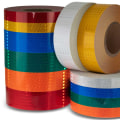
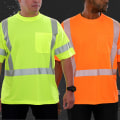
In the realm of safety and visibility, reflective striping and markings play a crucial role in guiding both pedestrians and vehicles. These visual aids are designed to enhance visibility, especially in low-light conditions, ensuring that important information is communicated effectively. Whether on roadways, parking lots, or construction sites, the strategic application of reflective materials helps to delineate boundaries, indicate hazards, and promote safe navigation. The importance of these markings cannot be overstated. They serve not only as a means of communication but also as a deterrent against accidents.
By reflecting light from vehicle headlights, reflective striping increases the likelihood that drivers will notice critical information in time to react appropriately. This is particularly vital in areas with high traffic or where visibility is compromised due to weather conditions. However, as we explore the landscape of visibility solutions, it becomes essential to consider whether there are viable alternatives to traditional reflective striping and markings. While these methods have proven effective over the years, advancements in technology and materials may offer new ways to enhance visibility without relying solely on reflective surfaces. Understanding these alternatives can lead to innovative approaches that not only maintain safety standards but also adapt to evolving environmental needs.
Limitations of Reflective Striping and Markings
While reflective striping and markings are widely used for enhancing visibility, they come with several limitations that can affect their overall effectiveness.Understanding these drawbacks is crucial for making informed decisions about road safety and visibility enhancements. One significant limitation is the weather dependency of reflective materials. In adverse weather conditions such as heavy rain, fog, or snow, the effectiveness of reflective striping can be severely diminished. Water accumulation on the surface can obscure the markings, making them less visible to drivers. Additionally, the wear and tear of reflective materials over time can lead to reduced visibility. Factors such as traffic volume, road maintenance, and environmental conditions can cause markings to fade or become damaged.
Regular maintenance is required to ensure that these markings remain effective, which can be a logistical challenge for many municipalities. Another drawback is the limited visibility range. Reflective striping is most effective when illuminated by headlights; however, in situations where vehicles are not approaching directly or at an angle, the markings may not be seen until it’s too late. This limitation can be particularly dangerous in poorly lit areas or during nighttime driving. Moreover, reflective striping does not account for color blindness or other visual impairments that some drivers may have. While these markings are designed to be highly visible, they may not be effective for all individuals, potentially leading to safety risks. In summary, while reflective striping and markings play a vital role in road safety, their limitations—such as weather dependency, wear and tear, limited visibility range, and accessibility issues—highlight the need for exploring alternative solutions to enhance visibility on roadways.
Alternative Solutions for Visibility
While reflective striping and markings have long been the standard for enhancing visibility, there are several innovative alternatives that can provide effective solutions without relying solely on traditional materials.These alternatives not only improve safety but also adapt to various environments and conditions.
Innovative Technologies
One of the most promising alternatives is the use of smart lighting systems. These systems can be integrated into roadways and pedestrian areas, utilizing LED lights that adjust their brightness based on surrounding light conditions. This dynamic approach ensures that visibility is maintained at all times, significantly reducing the risk of accidents.Non-Reflective Solutions
- High-Contrast Paints: Utilizing bright, high-contrast colors can enhance visibility during daylight hours. These paints are designed to stand out against the background, making them an effective alternative to reflective materials.
- Textured Surfaces: Implementing textured pavement or surfaces can provide visual cues and tactile feedback for pedestrians and drivers alike.
This method not only enhances visibility but also improves safety by alerting users to changes in their environment.
- Signage Innovations: Advanced digital signage can display real-time information about traffic conditions, hazards, or pedestrian crossings. These signs can be programmed to change based on time of day or specific events, ensuring that critical information is always visible.
Safety Measures
In addition to these technological advancements, incorporating safety measures such as increased lighting in high-traffic areas can significantly enhance visibility. Well-lit crosswalks and intersections not only improve safety for pedestrians but also alert drivers to potential hazards.Furthermore, community engagement in safety campaigns can raise awareness about alternative visibility solutions. Educating the public on the importance of visibility and the various methods available can lead to a more informed community that prioritizes safety.In conclusion, while reflective striping and markings remain important, exploring these alternatives can lead to enhanced visibility and safety in various environments.By embracing innovative technologies and non-reflective solutions, we can create safer spaces for everyone.
Innovative Technologies in Visibility Enhancement
As urban environments evolve, the need for enhanced visibility on roads and pathways has led to the development of innovative technologies that serve as effective alternatives to traditional reflective striping and markings. These advancements not only improve safety but also offer dynamic solutions that adapt to changing conditions.LED Lighting Solutions
One of the most promising alternatives is the use of LED lighting. Unlike static reflective materials, LED systems can be programmed to change colors or intensities based on traffic conditions or time of day. For instance, smart streetlights equipped with motion sensors can brighten when pedestrians are detected, enhancing visibility without the need for constant illumination.Smart Road Signs
Smart road signs are another innovative solution that can replace traditional reflective markings.These digital signs can display real-time information such as traffic updates, weather conditions, or warnings about road hazards. By utilizing solar power and wireless technology, these signs can be placed in remote areas where conventional power sources are unavailable.
Dynamic Pavement Markings
Dynamic pavement markings are also gaining traction. These markings can change based on traffic flow or specific events, providing drivers with up-to-date information. For example, during peak hours, lanes may shift to accommodate heavier traffic, reducing congestion and improving safety.Augmented Reality (AR) Applications
The integration of augmented reality (AR) into navigation systems is another exciting development.AR applications can overlay digital information onto a driver’s view of the road through their smartphone or vehicle display. This technology can highlight hazards or provide directions in a visually engaging manner, enhancing situational awareness.In conclusion, while reflective striping and markings have been essential for visibility, these innovative technologies offer exciting alternatives that not only enhance safety but also adapt to the needs of modern road users. As these solutions continue to develop, they promise to create safer and more efficient transportation environments.
Natural and Environmental Alternatives
While reflective striping and markings are commonly used for enhancing visibility, there are several natural and environmental alternatives that can effectively improve safety and visibility in various settings. These alternatives not only blend with the environment but also promote sustainability.Landscaping Techniques
Implementing strategic landscaping can significantly enhance visibility.Here are some effective techniques:
- Native Plant Selection: Using native plants that grow tall can create natural barriers, guiding pedestrians and vehicles while maintaining a natural aesthetic.
- Colorful Flower Beds: Brightly colored flowers can draw attention to specific areas, such as crosswalks or entrances, making them more visible without the need for artificial markings.
- Tree Canopy Management: Pruning trees to maintain clear sightlines can prevent obstructions and ensure that important signage remains visible.
Environmental Design
Incorporating environmental design principles can also enhance visibility:- Lighting Solutions: Utilizing solar-powered lights along pathways or in parking lots can provide illumination without relying on traditional reflective materials.
- Natural Pathways: Designing pathways with distinct textures or colors using natural materials like gravel or stone can guide users effectively while enhancing the landscape.
- Sustainable Signage: Using eco-friendly materials for signage that blends with the environment can still provide necessary information while being visually appealing.
Case Studies: Successful Implementation of Alternatives
In recent years, various organizations have successfully implemented alternatives to reflective striping and markings to enhance visibility in different environments. These case studies provide valuable insights into the effectiveness of innovative solutions.Case Study 1: Smart Lighting in Urban Areas
A city in California adopted smart lighting systems that adjust brightness based on pedestrian and vehicular traffic. This initiative not only improved visibility at night but also reduced energy consumption.The results showed a 30% decrease in nighttime accidents at intersections where these systems were installed, demonstrating the potential of technology as an alternative to traditional markings.
Case Study 2: High-Visibility Pavement Treatments
In a pilot program in New York, transportation officials tested high-visibility pavement treatments that use colored surfaces and textured materials to delineate bike lanes and pedestrian crossings. The study revealed that these treatments increased driver awareness and reduced conflicts between vehicles and cyclists by 25%. Feedback from local cyclists indicated a greater sense of safety, showcasing how alternative methods can effectively enhance visibility.Case Study 3: Enhanced Signage with LED Technology
A school district in Texas replaced traditional warning signs with LED-illuminated signs that flash during school hours. This change led to a significant increase in driver compliance with speed limits near schools, resulting in a 40% reduction in speeding incidents.The use of dynamic signage proved to be a compelling alternative to static reflective striping and markings.These case studies illustrate that while reflective striping and markings have been standard for enhancing visibility, innovative alternatives can provide effective solutions tailored to specific environments. By leveraging technology and creative design, communities can improve safety and visibility without relying solely on traditional methods.
Frequently Asked Questions about Visibility Alternatives
When considering alternatives to reflective striping and markings for enhancing visibility, several options can be explored. Below are some frequently asked questions that address these alternatives:What are some common alternatives to reflective striping?
- High-visibility paint: This type of paint is designed to be bright and noticeable, even in low-light conditions. It can be used on roadways, parking lots, and pedestrian areas.
- LED lighting: Incorporating LED lights into road signs or along pathways can significantly improve visibility at night or during poor weather conditions.
- Textured surfaces: Using materials that create a tactile difference can help guide pedestrians and vehicles, making them more aware of their surroundings.
- Color contrast: Utilizing contrasting colors for road markings can enhance visibility without the need for reflective materials.
Are there any technological solutions available?
Yes, advancements in technology have led to innovative solutions such as:- Smart traffic signals: These signals can adapt to real-time traffic conditions and improve visibility through enhanced lighting.
- Augmented reality (AR): AR applications can provide real-time information to drivers and pedestrians, highlighting important areas without relying solely on physical markings.
How effective are these alternatives compared to reflective striping?
The effectiveness of these alternatives can vary based on the specific context in which they are used.For instance, while high-visibility paint may be effective during the day, LED lighting may outperform it at night. Ultimately, a combination of these solutions may provide the best results in enhancing visibility.In conclusion, while reflective striping and markings are widely used for visibility, exploring these alternatives can offer additional safety measures tailored to specific environments and needs.
Conclusion: The Future of Visibility Solutions
As we conclude our exploration of visibility solutions, it is clear that while reflective striping and markings have long been the standard for enhancing safety and visibility, the landscape is evolving. The need for innovative alternatives is becoming increasingly apparent, driven by advancements in technology and a growing awareness of environmental impacts.Throughout this article, we have examined various alternatives that can complement or even replace traditional reflective methods. These include:- Smart Lighting Systems: Utilizing LED technology and smart sensors can significantly improve visibility in low-light conditions, adapting to real-time environmental changes.
- High-Visibility Paints: New formulations of paints that incorporate luminescent materials can provide long-lasting visibility without the need for reflective elements.
- Textured Surfaces: Implementing textured road surfaces can enhance visibility through tactile feedback, alerting drivers and pedestrians to potential hazards.
- Wearable Technology: For pedestrians and cyclists, wearable devices equipped with lights or reflective materials can increase personal visibility without relying solely on road markings.
As urban environments become more complex and traffic patterns evolve, relying solely on reflective striping and markings may not suffice. By embracing a multifaceted approach to visibility, we can enhance safety for all road users.In summary, the future of visibility solutions lies in innovation and adaptability. By considering alternatives to traditional methods, we can create safer environments that meet the needs of modern society while also addressing sustainability concerns. The journey towards improved visibility is ongoing, and it is essential to remain open to new ideas and technologies that can lead us forward.