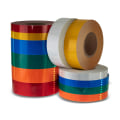
Reflective striping and markings play a crucial role in enhancing safety and visibility on roadways, parking lots, and various other surfaces. These highly visible markings are designed to reflect light, making them easily noticeable during both day and night. As urban areas continue to grow and traffic increases, the importance of these markings cannot be overstated. They guide drivers, pedestrians, and cyclists, helping to prevent accidents and ensure smooth traffic flow. Understanding the regulations surrounding reflective striping is essential for municipalities, contractors, and businesses alike.
Various standards dictate the width, size, and placement of these markings to ensure they serve their intended purpose effectively. For instance, the Federal Highway Administration (FHWA) provides guidelines that help maintain consistency across different regions, ensuring that all reflective markings meet specific visibility requirements. This not only aids in compliance but also enhances public safety. Moreover, the importance of reflective striping extends beyond mere aesthetics; it is a matter of public safety. Properly implemented reflective markings can significantly reduce the likelihood of accidents by clearly delineating lanes, crosswalks, and other critical areas.
As we delve deeper into this topic, we will explore the specific regulations and standards that govern reflective striping and markings, shedding light on how they contribute to safer environments for everyone.
Overview of Reflective Striping and Markings
Reflective striping and markings are essential components in enhancing visibility and safety in various environments, particularly on roadways and construction sites. These markings are designed to reflect light, making them visible in low-light conditions, which is crucial for guiding drivers and pedestrians.What is Reflective Striping?
Reflective striping refers to the application of materials that have reflective properties to surfaces such as roads, vehicles, and safety equipment. These materials are typically made from glass beads or microprismatic elements that bounce light back towards its source, significantly improving visibility.Types of Reflective Markings
- Road Markings: These include lane dividers, crosswalks, and stop lines that help direct traffic flow.
- Vehicle Striping: Used on emergency vehicles, buses, and trucks to enhance their visibility during day and night.
- Safety Equipment: Reflective tape or markings on helmets, vests, and other personal protective equipment (PPE) to ensure worker safety in hazardous environments.
Applications of Reflective Striping
The applications of reflective striping are vast and varied:- Traffic Management: Reflective markings are crucial for traffic control, helping to prevent accidents by clearly delineating lanes and guiding drivers.
- Construction Zones: In construction areas, reflective striping alerts drivers to potential hazards and changes in road conditions.
- Emergency Services: Emergency vehicles utilize reflective striping to ensure they are easily seen during emergencies, especially at night or in poor weather conditions.
Regulatory Bodies Governing Reflective Striping
When it comes to reflective striping and markings, several regulatory bodies play a crucial role in establishing standards that ensure safety and consistency across roadways.Understanding these regulations is essential for compliance and effective traffic management.
Federal Regulations
The Federal Highway Administration (FHWA) is the primary federal agency responsible for setting guidelines for reflective striping. The FHWA's Manual on Uniform Traffic Control Devices (MUTCD) outlines specifications for the size, color, and placement of reflective markings. These guidelines are designed to enhance visibility and safety for drivers, especially during low-light conditions.State Regulations
In addition to federal guidelines, each state has its own set of regulations governing reflective markings. State Departments of Transportation (DOTs) often adopt the FHWA's standards but may also implement additional requirements tailored to local conditions.For instance, some states may specify different widths or materials based on regional weather patterns or traffic volumes.
Local Compliance
Local municipalities may further refine these regulations to address specific community needs. This can include adjustments in the width of reflective striping on residential streets versus major highways. It is essential for contractors and engineers to consult both state and local regulations when planning road marking projects.- FHWA: Sets national standards through the MUTCD.
- State DOTs: Implement and may modify federal guidelines.
- Local Authorities: Tailor regulations to meet community-specific needs.
Federal Regulations on Reflective Striping and Markings
When it comes to reflective striping and markings, federal regulations play a crucial role in ensuring safety and consistency across roadways.The primary guideline governing these markings is the Manual on Uniform Traffic Control Devices (MUTCD), which outlines the standards for traffic control devices, including the specifications for reflective materials.The MUTCD specifies various requirements regarding the size, width, and placement of reflective striping. For instance, the width of lane markings typically ranges from 4 to 6 inches, depending on the type of roadway and its speed limit. In high-speed areas, wider markings are often recommended to enhance visibility.
- Reflective Material Standards: The MUTCD mandates that all reflective materials used in striping must meet specific retroreflectivity levels to ensure they are visible at night and in adverse weather conditions.
- Color Specifications: The colors used for reflective markings must adhere to federal standards, with white typically used for lane lines and yellow for centerlines.
- Maintenance Requirements: Regular maintenance is required to ensure that reflective markings remain effective. This includes periodic assessments of retroreflectivity and timely repainting or replacement as needed.
Properly sized and maintained reflective striping and markings help drivers navigate safely, especially during low visibility conditions. Therefore, understanding and adhering to MUTCD requirements is essential for state and local agencies responsible for roadway maintenance.In summary, federal regulations such as those outlined in the MUTCD provide a comprehensive framework for the size and width of reflective striping and markings. By following these guidelines, agencies can enhance roadway safety and ensure that their traffic control devices are effective in guiding drivers.
State-Specific Regulations for Reflective Striping
When it comes to reflective striping and markings, regulations can significantly differ from one state to another. Each state has the authority to establish its own guidelines, which can lead to a patchwork of laws that govern the width, size, and application of these critical safety features.For instance, in California , the Department of Transportation mandates that all reflective striping on highways must be at least 4 inches wide.This regulation is designed to enhance visibility during nighttime and adverse weather conditions, ensuring that drivers can easily identify lane boundaries.In contrast, Texas has more flexible regulations, allowing for a range of widths depending on the type of roadway. On rural roads, reflective markings may be as narrow as 2 inches, while urban areas may require wider markings to accommodate higher traffic volumes.
Florida
takes a different approach by specifying not only the width but also the color and retroreflectivity standards for its reflective striping. The state requires that all markings meet specific retroreflectivity levels to ensure they are visible at night, which is crucial for driver safety.These examples illustrate how state laws on reflective striping can vary widely. Compliance at the state level is essential for ensuring that road safety measures are effective.
Therefore, it is vital for contractors and road maintenance teams to stay informed about local regulations.
- California: Minimum width of 4 inches for highway striping.
- Texas: Width varies; 2 inches for rural roads, wider for urban areas.
- Florida: Specific color and retroreflectivity standards required.
Industry Standards for Reflective Striping and Markings
When it comes to reflective striping and markings, adherence to established industry standards is crucial for ensuring safety and effectiveness. Various organizations, including ASTM (American Society for Testing and Materials) and ISO (International Organization for Standardization), have set forth specifications that govern the dimensions, materials, and performance of these markings.ASTM Specifications
The ASTM has developed several standards that specifically address the requirements for reflective striping. For instance, ASTM D4956 outlines the performance specifications for retroreflective sheeting used in traffic control devices.This standard includes criteria for the minimum width of markings, which typically ranges from 4 to 6 inches, depending on the application. Additionally, it specifies the required retroreflectivity levels to ensure visibility under various lighting conditions.
ISO Standards
Similarly, ISO standards play a significant role in defining the quality and performance of reflective markings. ISO 39001 focuses on road traffic safety management systems and emphasizes the importance of clear and visible road markings. This standard encourages the use of high-quality materials that meet specific visibility criteria, which can include guidelines on the size and width of reflective markings.- Width Requirements: Most regulations suggest a minimum width of 4 inches for lane markings, with wider options available for high-traffic areas.
- Material Specifications: Reflective materials must meet certain durability and visibility standards to ensure they remain effective over time.
- Performance Testing: Regular testing is mandated to verify that reflective striping maintains its effectiveness under various environmental conditions.
By adhering to these guidelines, municipalities and organizations can significantly reduce accidents and improve overall traffic management.
Best Practices for Implementing Reflective Striping
Implementing reflective striping and markings effectively requires adherence to best practices that ensure visibility, safety, and longevity. Here are some essential guidelines to consider:Installation Guidelines
- Surface Preparation: Ensure that the surface is clean, dry, and free from debris before applying reflective materials. This step is crucial for proper adhesion and durability.
- Material Selection: Choose high-quality reflective materials that meet local regulations and standards. Options include thermoplastic, paint, or tape, each with its own benefits depending on the application.
- Application Techniques: Follow manufacturer instructions for application methods.
For instance, thermoplastic materials often require heating for proper bonding, while paint may need specific environmental conditions for optimal curing.
- Visibility Considerations: Position reflective markings in areas with high traffic or low visibility. Ensure that the width and size of the markings comply with local regulations to maximize their effectiveness.
Maintenance of Reflective Striping
Regular maintenance is vital to ensure that reflective striping remains effective over time. Here are some maintenance tips:- Routine Inspections: Conduct periodic checks to assess the condition of the striping. Look for wear, fading, or damage caused by weather or heavy traffic.
- Cleaning: Keep reflective markings clean to maintain their visibility.
Use appropriate cleaning solutions that do not damage the reflective surface.
- Reapplication: Depending on wear and tear, plan for reapplication of reflective materials as needed. This may involve repainting or replacing damaged sections to ensure continuous compliance with safety standards.
Common Questions About Reflective Striping Regulations
When it comes to reflective striping and markings, many individuals and organizations have questions regarding the regulations that govern their size and width. Understanding these regulations is crucial for ensuring compliance and enhancing safety on roadways.- What are the standard sizes for reflective striping?
The Federal Highway Administration (FHWA) provides guidelines that specify the minimum widths for various types of reflective markings. For instance, lane markings typically range from 4 to 6 inches wide, while edge lines may be 4 inches wide.However, local jurisdictions may have additional specifications based on their unique needs.
- Are there specific regulations for different environments?
Yes, regulations can vary significantly depending on whether the markings are used in urban, suburban, or rural settings. Urban areas may require more prominent markings due to higher traffic volumes, while rural areas might have different standards to accommodate lower traffic levels. - How do I ensure compliance with local regulations?
It is essential to consult your local Department of Transportation (DOT) or relevant authority to understand the specific requirements in your area. They can provide detailed information on the necessary dimensions and materials for reflective striping.
Always stay informed about updates in regulations to maintain safety standards effectively.
Conclusion: The Importance of Compliance with Reflective Striping Regulations
In conclusion, understanding and adhering to regulations regarding reflective striping and markings is crucial for ensuring safety on roadways and other public spaces. These regulations are not merely guidelines; they are established standards designed to protect both drivers and pedestrians by enhancing visibility, especially in low-light conditions.Throughout this article, we have explored the various aspects of reflective striping and markings, including their dimensions, materials, and placement. Compliance with these regulations helps to:- Enhance Safety: Properly sized and positioned reflective markings significantly reduce the risk of accidents by improving visibility.
- Ensure Legal Compliance: Adhering to local, state, and federal regulations helps avoid potential fines and legal issues.
- Promote Consistency: Standardized markings create a uniform appearance that aids in navigation and understanding of traffic rules.
Regular inspections and timely replacements ensure that reflective striping and markings remain effective in fulfilling their purpose.Ultimately, compliance with reflective striping regulations is a shared responsibility among government agencies, contractors, and the public. By prioritizing these standards, we contribute to safer roadways and a more organized traffic system. As we move forward, let us remain vigilant in our commitment to maintaining these essential safety measures.