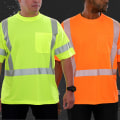
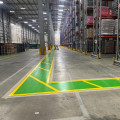
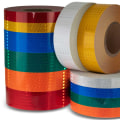
Reflective striping and markings play a crucial role in enhancing safety and visibility across various environments, from roadways to construction sites. These visual aids are designed to catch the eye, especially in low-light conditions, ensuring that pedestrians, drivers, and workers can navigate safely. The effectiveness of these markings largely depends on their color and reflective properties, which are specifically chosen to maximize visibility and convey important information. Typically, reflective striping utilizes a range of colors that are not only eye-catching but also standardized for specific applications. For instance, bright colors like yellow and white are commonly used for road markings, as they stand out against the asphalt and are easily recognizable during both day and night.
In contrast, colors such as red often indicate danger or prohibition, making them essential for alerting individuals to potential hazards. The choice of color in reflective markings is not arbitrary; it is guided by regulations and best practices aimed at ensuring maximum visibility under various conditions. Understanding the significance of these colors is vital for anyone involved in safety management or urban planning. As we delve deeper into the specifics of reflective striping and markings, we will explore the various colors used and their implications for safety and communication.
Common Colors Used in Reflective Striping
When it comes to reflective striping and markings, color plays a vital role in ensuring visibility and safety. Different colors are used for various applications, each carrying specific meanings and purposes.Here are some of the most common colors utilized in reflective striping:
- White: Often used for lane markings, crosswalks, and road signs, white reflective striping indicates the presence of traffic lanes and pedestrian areas. It is universally recognized as a color for guidance.
- Yellow: This color is typically employed to signify caution. Yellow reflective markings are commonly found on the edges of roads, in construction zones, and to indicate no-passing zones. Its bright hue draws attention, alerting drivers to potential hazards.
- Red: Red is a color that commands immediate attention and is often associated with stop signs and emergency vehicles.
Reflective red striping is used to indicate danger or to mark areas that require immediate action.
- Blue: Used primarily for informational purposes, blue reflective markings often indicate parking spaces for disabled individuals or emergency vehicle access points. It conveys a sense of safety and accessibility.
- Green: This color is frequently used in bike lanes and pedestrian pathways, promoting safe travel routes for non-motorized vehicles. Green reflective striping helps distinguish these areas from regular traffic lanes.
Understanding these color choices can significantly enhance safety measures in various environments. In summary, the selection of colors for reflective striping is crucial for effective communication on the roadways. By adhering to established color codes, we can improve visibility and reduce accidents, making our roads safer for everyone.
The Psychology of Color in Reflective Markings
The psychology of color plays a crucial role in the effectiveness of reflective striping and markings. Different colors evoke distinct emotional responses and can significantly influence human behavior, particularly in contexts related to safety and visibility.Color Visibility Psychology
- Red: Often associated with danger and urgency, red is a color that captures attention quickly. Its use in reflective markings can alert drivers to hazards, making it an effective choice for stop signs and warning signals.
- Yellow: This color is synonymous with caution.
Yellow reflective striping is commonly used to indicate caution zones, such as pedestrian crossings or construction areas. Its bright hue enhances visibility during both day and night.
- Orange: Similar to yellow, orange conveys a sense of warning but with a more urgent tone. It is frequently used in road work zones to ensure that drivers are aware of potential dangers ahead.
- Green: Often associated with safety and permission, green reflective markings are typically used to indicate safe zones or directions, such as bike lanes or emergency exits.
- Blue: This color is often linked to calmness and trust. In reflective applications, blue can be used for informational signs or to denote services, such as parking areas.
Impact of Color on Safety
The choice of color in reflective striping not only affects visibility but also impacts the overall perception of safety.
Research indicates that colors like red and yellow can increase alertness among drivers, reducing the likelihood of accidents. Conversely, colors that blend into the environment may diminish the effectiveness of reflective markings, leading to potential safety hazards.In conclusion, understanding the psychological effects of color is essential for designing effective reflective striping and markings. By strategically selecting colors based on their psychological impact, we can enhance visibility and improve safety outcomes on roadways and in various environments.
Regulatory Standards for Reflective Striping Colors
When it comes to reflective striping and markings, adherence to regulatory standards is crucial for ensuring safety and compliance on roadways. Various organizations, including the Federal Highway Administration (FHWA) and the American National Standards Institute (ANSI), have established guidelines that dictate the colors used in these markings.Key Regulatory Standards:
- Federal Highway Administration (FHWA): The FHWA outlines specific color requirements for traffic control devices, including reflective striping.
According to their guidelines, white is typically used for lane markings, while yellow is reserved for separating opposing traffic.
- Manual on Uniform Traffic Control Devices (MUTCD): This document provides comprehensive standards for traffic markings. It specifies that reflective materials must meet certain visibility criteria, particularly at night or in low-light conditions.
- American Society for Testing and Materials (ASTM): ASTM standards detail the performance characteristics of reflective materials, including colorfastness and retroreflectivity, ensuring that colors remain vibrant and effective over time.
- White: Used for lane lines, edge lines, and other markings that guide traffic.
- Yellow: Indicates caution and is often used for no-passing zones or to separate lanes of opposing traffic.
- Red: Typically signifies stop or prohibition, often seen in stop signs or no-entry zones.
- Blue: Used to indicate parking spaces reserved for persons with disabilities.
Innovative Trends in Reflective Striping Colors
As the demand for enhanced safety measures in transportation and construction continues to grow, innovative trends in reflective striping colors are emerging.These trends are driven by advancements in technology and a deeper understanding of visibility requirements under various conditions.
Emerging Color Technologies
Recent developments in reflective markings have introduced new materials that not only improve brightness but also expand the color palette available for use. Traditional colors like white and yellow remain prevalent, but innovative pigments are now allowing for brighter hues such as neon green and orange, which can significantly enhance visibility during both day and night.Smart Reflective Materials
Another exciting trend is the integration of smart technologies into reflective striping. These materials can change color based on environmental conditions or the angle of light, providing dynamic visibility that adapts to the surroundings. For instance, some new coatings can appear brighter when wet, addressing a common issue where standard reflective materials lose effectiveness in rain.The Future of Reflective Colors
The future of reflective striping colors is likely to be influenced by ongoing research into human perception and safety.Studies suggest that certain colors can evoke quicker reactions from drivers, leading to potential shifts in regulatory standards for road markings. As a result, we may see a broader acceptance of unconventional colors that enhance safety.
- Increased use of neon colors: Bright neon shades are becoming more popular due to their high visibility.
- Color-changing technologies: Innovations that allow markings to adapt based on light conditions are on the rise.
- Sustainability considerations: Eco-friendly reflective materials are gaining traction, aligning with global sustainability goals.
FAQs About Reflective Striping and Markings Colors
When it comes to reflective striping and markings, color plays a crucial role in visibility and safety. Here are some frequently asked questions regarding the colors typically used:What are the standard colors for reflective striping?
The most common colors for reflective striping include:- White: Often used for lane markings, it provides high visibility against dark surfaces.
- Yellow: Typically indicates caution or warning, commonly found on road edges and no-passing zones.
- Red: Used to signify danger or prohibition, such as stop signs and fire lanes.
- Blue: Generally indicates services for the disabled or emergency vehicle access.
- Green: Often used for bike lanes and pedestrian paths, promoting safety for non-motorized users.
Are there specific regulations governing reflective marking colors?
Yes, various organizations, including the Federal Highway Administration (FHWA), set guidelines for the use of colors in reflective markings.These regulations ensure consistency and safety across different regions. For instance, the Manual on Uniform Traffic Control Devices (MUTCD) outlines specific color codes for road signs and markings to enhance driver recognition and response.
Can reflective striping colors vary by location?
Absolutely. While there are standard colors, local jurisdictions may adopt variations based on specific needs or conditions. For example, some areas may use different shades of yellow or additional colors to address unique traffic patterns or environmental factors.In summary, understanding the colors used in reflective striping and markings is essential for ensuring safety on the roads.By adhering to established guidelines and recognizing local variations, we can enhance visibility and reduce accidents.
Conclusion: The Importance of Color in Reflective Striping and Markings
In conclusion, the choice of color in reflective striping and markings plays a crucial role in enhancing visibility and safety on roadways and various environments. Throughout this article, we have explored how different colors serve specific purposes and convey important information to drivers and pedestrians alike.High-visibility colors
, such as yellow and white, are commonly used for road markings due to their ability to stand out against the asphalt, especially during low-light conditions. These colors are not only effective in daytime but also reflect light at night, making them essential for guiding traffic safely. On the other hand, colors like red are often reserved for warning signs or prohibitive markings, alerting individuals to potential hazards. The psychological impact of color cannot be underestimated; for instance, red evokes a sense of urgency, prompting immediate attention.The Role of Contrast
Moreover, the contrast between the reflective striping colors and their backgrounds is vital.A well-contrasted marking ensures that it is easily identifiable from a distance, which is particularly important in emergency situations where quick recognition can save lives.
- Yellow: Used for caution and warning.
- White: Indicates lane divisions and guidance.
- Red: Signals danger or prohibition.
- Green: Often used for directional guidance.