In the realm of emergency response, reflective striping and markings play a crucial role in ensuring the safety and visibility of emergency vehicles. These vehicles, which often operate under high-pressure situations, require distinct identification to navigate through traffic efficiently and to alert other road users of their presence. The strategic use of reflective markings not only enhances visibility during the day but also significantly improves recognition at night or in low-light conditions, making them indispensable for first responders. The primary purpose of reflective striping is to provide a clear visual cue that an emergency vehicle is approaching. This is particularly vital in urban environments where traffic congestion can impede quick responses.
By utilizing bright colors and reflective materials, these markings ensure that emergency vehicles stand out against various backgrounds, allowing them to maneuver through traffic more effectively. Furthermore, the design and placement of these markings are meticulously planned to maximize their visibility from multiple angles, ensuring that they are seen by drivers and pedestrians alike. As we delve deeper into the functions and benefits of reflective striping, it becomes evident that these markings are not merely decorative; they serve a fundamental purpose in enhancing public safety. Understanding their significance can help foster greater awareness among the public regarding the importance of yielding to emergency vehicles, ultimately contributing to more efficient emergency responses and saving lives.
What is Reflective Striping?
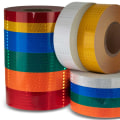
Reflective striping refers to the use of specialized materials that enhance visibility in low-light conditions, making them crucial for emergency vehicles. These markings are designed to reflect light back to its source, ensuring that vehicles are easily seen by other drivers, especially during nighttime or adverse weather conditions.Reflective markings
can be defined as any type of surface treatment that incorporates reflective materials to improve visibility.They are commonly used on emergency vehicles, road signs, and safety apparel. The primary purpose of these markings is to alert other road users to the presence of emergency responders, thereby enhancing safety for both the responders and the public.
Types of Reflective Materials
- Glass Bead Technology: This method involves embedding tiny glass beads into a polymer layer. When light hits these beads, it is reflected back towards the source, creating a bright appearance.
- Microprismatic Technology: This advanced technology uses a series of prisms to reflect light. It offers superior visibility compared to traditional glass bead systems and is often used in high-performance applications.
- Retroreflective Films: These films can be applied to various surfaces and are designed to reflect light back to its source at wide angles.
They are often used for vehicle striping and signage.
The Purpose of Reflective Striping on Emergency Vehicles
The use of reflective striping and markings on emergency vehicles serves several critical purposes that enhance both safety and visibility. One of the primary functions is to improve the visibility of these vehicles, especially in low-light conditions or adverse weather.The reflective materials used in these markings allow emergency responders to be seen from a greater distance, which is essential during nighttime operations or in situations where visibility is compromised.Moreover, the presence of reflective markings significantly contributes to the safety of emergency responders. When a vehicle is parked on the roadside, the bright, reflective stripes alert oncoming traffic to its presence, reducing the risk of accidents. This is particularly important during traffic incidents or when first responders are attending to emergencies on busy roadways.In addition to enhancing safety for emergency personnel, reflective striping also plays a vital role in raising public awareness. The distinctive patterns and colors used in these markings are designed to be easily recognizable, helping drivers identify emergency vehicles quickly.
This recognition can prompt drivers to yield the right of way or take necessary precautions when approaching an emergency scene.
- Visibility Enhancement: Reflective striping increases the visibility of emergency vehicles in various conditions.
- Safety for Emergency Responders: It reduces the likelihood of accidents involving first responders on duty.
- Public Awareness: Recognizable markings help inform drivers about the presence of emergency vehicles.
How Reflective Striping Enhances Visibility
Reflective striping and markings play a crucial role in enhancing the visibility of emergency vehicles, especially in low-light conditions. The science behind these materials lies in their ability to reflect light back to its source, making them easily noticeable from a distance. This is particularly important for first responders who need to be seen quickly and clearly during emergencies.How Reflective Markings Work
- Retroreflectivity: Reflective materials are designed to redirect light towards its origin.
This property, known as retroreflectivity, ensures that headlights from oncoming vehicles illuminate the markings, making them stand out even in darkness.
- Material Composition: Most reflective striping is made from microprismatic or glass bead technology. These materials are embedded in a durable substrate that withstands harsh weather conditions while maintaining their reflective properties.
- Color Contrast: The effectiveness of reflective markings is also enhanced by their color contrast against the vehicle's base color. Bright colors like yellow and orange are commonly used because they are easily distinguishable against various backgrounds.
Studies have shown that vehicles equipped with high-quality reflective markings are more likely to be seen and recognized by approaching traffic, which can be critical in emergency situations.In summary, the integration of reflective striping and markings on emergency vehicles not only enhances their visibility but also plays a vital role in ensuring the safety of both responders and civilians. By understanding how these materials work, we can appreciate their importance in emergency response scenarios.
Regulations and Standards for Reflective Markings
The use of reflective striping and markings on emergency vehicles is not only a matter of safety but also a legal requirement governed by various regulations and standards. These guidelines ensure that emergency vehicles are easily identifiable and visible, especially in low-light conditions.In the United States, the Federal Highway Administration (FHWA) sets forth specific standards for the use of reflective materials on emergency vehicles. The Manual on Uniform Traffic Control Devices (MUTCD) outlines the necessary specifications for colors, patterns, and placement of reflective striping to enhance visibility.Key Regulations
- Federal Standards: Emergency vehicles must comply with federal regulations that dictate the type and amount of reflective material used.
This includes guidelines from the FHWA and the National Fire Protection Association (NFPA).
- State Regulations: Many states have their own specific laws regarding the use of reflective striping. These can vary significantly, so it is crucial for emergency service providers to be aware of local requirements.
- Compliance Requirements: Emergency vehicles must undergo regular inspections to ensure that their reflective markings meet established standards. Non-compliance can lead to penalties and reduced effectiveness in emergency situations.
By following established standards, emergency vehicles can effectively communicate their presence, thereby reducing response times and enhancing public safety.
Case Studies: Effective Use of Reflective Striping
Reflective striping and markings play a crucial role in enhancing the visibility of emergency vehicles, especially in low-light conditions. Several case studies illustrate the successful implementation of these safety features, demonstrating their effectiveness in real-world scenarios.Case Study 1: City of Los Angeles Fire Department
The Los Angeles Fire Department (LAFD) undertook a comprehensive review of their emergency vehicle visibility standards. By incorporating reflective striping on their fire trucks, they reported a significant increase in visibility during nighttime operations. The new design featured bright yellow and red reflective patterns that not only improved safety but also enhanced public awareness of emergency responses.Case Study 2: New York Police Department
The New York Police Department (NYPD) implemented a new reflective marking system on their patrol cars.This initiative aimed to reduce accidents involving police vehicles while responding to emergencies. The results were promising; incidents of rear-end collisions decreased by 30% within the first year of the new markings being applied. The reflective materials used were specifically chosen for their durability and high visibility.
Case Study 3: Rural Ambulance Services
In rural areas, where lighting conditions can be particularly poor, ambulance services have adopted reflective striping as a standard feature on all vehicles. A study conducted in several states showed that ambulances with enhanced reflective markings were more likely to be seen by other drivers, leading to quicker response times and improved patient outcomes.The use of bright colors combined with reflective materials created a striking visual that caught the attention of motorists even from a distance.These case studies highlight the importance of reflective striping and markings in improving the safety and efficiency of emergency services. By learning from these successful implementations, other departments can adopt similar strategies to enhance their own vehicle visibility and operational effectiveness.
Common Misconceptions About Reflective Striping
Despite the critical role of reflective striping and markings on emergency vehicles, several misconceptions persist. Addressing these myths is essential for understanding their true purpose and effectiveness.- Myth 1: Reflective Striping is Only for Aesthetics
Many people believe that the primary function of reflective striping is to enhance the appearance of emergency vehicles. In reality, these markings are designed to improve visibility in low-light conditions, ensuring that first responders can be seen from a distance, especially during nighttime or adverse weather conditions. - Myth 2: All Reflective Materials are the Same
Not all reflective materials provide the same level of visibility.Emergency vehicles utilize specialized reflective striping that meets specific standards for brightness and durability. This ensures that they remain visible even after prolonged exposure to the elements.
- Myth 3: Reflective Markings are Only Effective When Stationary
Some individuals think that reflective markings only work when the vehicle is not moving. However, these markings are designed to be effective at various speeds, helping to alert drivers to the presence of emergency vehicles even when they are in motion. - Myth 4: Reflective Striping is Not Necessary in Daylight
While it’s true that visibility is generally better during the day, reflective striping enhances safety by making emergency vehicles more noticeable even in bright sunlight. The contrast created by these markings can catch a driver’s eye, reducing the risk of accidents.
Understanding these facts can lead to improved awareness and adherence to safety protocols on the road.
Future Trends in Reflective Markings for Emergency Vehicles
As we look to the future, the innovations in reflective striping and markings for emergency vehicles are poised to enhance safety and visibility significantly. With advancements in materials and technology, the next generation of reflective striping is expected to incorporate features that improve performance under various conditions.Smart Reflective Materials
- Emerging technologies are leading to the development of smart reflective materials that can adapt their visibility based on environmental factors such as light and weather conditions.
- These materials may include embedded sensors that can detect low-light situations and increase their reflectivity accordingly, ensuring that emergency vehicles remain visible at all times.
Enhanced Durability
- Future reflective striping will likely focus on durability, utilizing advanced polymers that resist wear and tear from harsh weather, UV exposure, and road debris.
- This will not only extend the lifespan of the markings but also reduce maintenance costs for emergency services.
Integration with Technology
- The integration of reflective markings with other safety technologies is another trend on the horizon. For instance, vehicle-to-vehicle (V2V) communication systems could be enhanced by reflective striping that signals a vehicle's presence to nearby cars, improving overall road safety.
- Additionally, augmented reality (AR) applications may utilize reflective markings to provide real-time information to drivers about approaching emergency vehicles.
Sustainability Considerations
- As sustainability becomes a priority across industries, future reflective striping solutions may also focus on eco-friendly materials that minimize environmental impact while maintaining high visibility standards.
- This shift towards sustainable practices will not only benefit the environment but also align with public expectations for responsible governance in emergency services.
Conclusion: The Critical Role of Reflective Striping in Emergency Services
In conclusion, the use of reflective striping & markings on emergency vehicles is not merely a design choice but a critical component of public safety.These markings serve multiple essential functions that enhance the visibility and recognition of emergency responders in various situations. Firstly, the primary purpose of reflective striping is to ensure that emergency vehicles are easily identifiable, especially in low-light conditions or adverse weather. The bright colors and reflective materials used in these markings allow for quick recognition from a distance, which can be vital during emergencies when every second counts. Moreover, the strategic placement of reflective striping helps to guide traffic effectively. When drivers see these markings, they are more likely to yield the right of way, allowing emergency personnel to reach their destinations swiftly and safely. This not only aids in the efficiency of emergency response but also significantly reduces the risk of accidents involving emergency vehicles. Additionally, the psychological impact of reflective markings cannot be overlooked.
The presence of these bright, reflective designs instills a sense of urgency and awareness among motorists, prompting them to be more cautious and attentive on the road. In summary, the importance of reflective striping & markings on emergency vehicles extends beyond aesthetics; it is a fundamental aspect of ensuring safety and effectiveness in emergency response operations. As we continue to prioritize public safety, investing in high-quality reflective materials and designs will remain crucial for all emergency services.