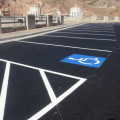
Commercial relocations involve far more complexity than standard residential moves. Businesses relocating offices, warehouses, retail spaces, or industrial facilities must coordinate large moving crews, delivery schedules, equipment transportation, employee safety, and vehicle traffic all within tight operational timelines. In these environments, reflective striping and pavement markings play an important yet often overlooked role in supporting safer and more organized logistics. Parking lot striping, directional arrows, loading zone indicators, pedestrian walkways, and reflective safety markings help guide both movers and drivers throughout busy relocation operations. Without proper markings, commercial moving environments can quickly become disorganized, especially when multiple trucks, contractors, and employees are working simultaneously in confined spaces.
Reflective striping becomes particularly valuable during early morning, evening, or low-visibility conditions when many commercial relocations take place. Businesses often schedule moves outside regular operating hours to minimize disruptions, which means movers may be working in darker conditions where visibility becomes a serious concern. Reflective pavement markings help direct truck traffic safely while reducing confusion around loading docks, temporary staging areas, and restricted zones. These visual guides create a more controlled environment that supports both safety and operational efficiency throughout the relocation process.
Improving Traffic Flow and Equipment Movement
One of the biggest challenges during commercial relocations is managing vehicle movement around the property. Moving trucks, delivery vehicles, employee cars, and contractors may all arrive at different times throughout the day, creating congestion around entrances and loading areas. Clearly visible striping and directional markings help organize traffic flow so drivers can navigate the property more efficiently. This becomes especially important for larger facilities with multiple loading docks or limited maneuvering space.
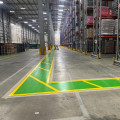
Reflective markings also support the safe transportation of heavy equipment and office assets. Commercial moves often involve expensive machinery, large furniture systems, inventory storage units, and electronic equipment that require coordinated movement between trucks and buildings. Properly marked walkways and loading zones reduce the likelihood of collisions, blocked pathways, or accidental property damage during transport. In warehouse or industrial relocations, reflective floor markings inside facilities can further improve organization by identifying designated pathways for forklifts, movers, and equipment staging areas.
Pedestrian safety is another critical factor during commercial moves. Employees, property managers, and contractors frequently move throughout the property while relocation operations are ongoing. Clearly marked pedestrian zones help separate foot traffic from vehicle activity, reducing the risk of accidents in busy loading areas. Reflective crosswalks and warning markings become especially useful during nighttime relocations or in facilities with large parking lots where visibility may be limited.
Supporting Professional Relocation Planning
Successful commercial relocations depend heavily on planning and coordination. Businesses that prepare traffic flow systems and safety markings ahead of time often experience smoother transitions with fewer delays and disruptions. Reflective striping not only improves visibility but also helps create temporary operational structures that guide movers through complex logistics. For example, designated truck lanes, loading zones, and temporary storage areas can all be visually reinforced using reflective markings to reduce confusion during the move.
Companies searching for "Austin movers near me" often prioritize moving providers who understand the importance of safety planning within commercial environments. Experienced commercial movers recognize that property layout, parking lot organization, and traffic management directly impact relocation efficiency. Reflective striping and clear directional systems allow moving teams to work more effectively while reducing unnecessary risks to employees, drivers, and valuable business assets.
Creating Safer and More Efficient Commercial Moves
Ultimately, reflective striping and pavement markings provide essential support for safer commercial relocation logistics. These visual systems improve traffic control, enhance pedestrian safety, organize loading operations, and reduce confusion during large-scale business moves. While often overlooked, proper striping can significantly impact how smoothly a commercial relocation unfolds, particularly in high-traffic or low-visibility environments.
Commercial moves already involve enough complexity without additional safety hazards caused by unclear traffic patterns or poorly organized loading areas. By investing in reflective striping and clear pavement markings before relocation day, businesses can create safer working conditions, improve operational efficiency, and support a more organized transition from one location to another. These small but important details help ensure that commercial relocation projects remain both productive and secure throughout every phase of the moving process.