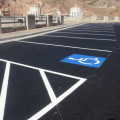
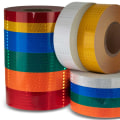
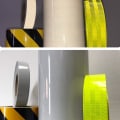
Reflective striping and marking solutions play a critical role in maintaining safety and visibility on golf course access roads, where both vehicles and pedestrians frequently share space. Unlike standard roadways, these paths often wind through landscaped terrain, feature low lighting in early mornings or evenings, and accommodate golf carts alongside regular traffic. High-quality reflective paints and thermoplastic markings are specifically designed to improve visibility under low-light conditions, helping drivers clearly identify lanes, curves, and intersections. These solutions reduce the risk of accidents by guiding movement in a structured and predictable manner, especially in areas where natural surroundings may otherwise obscure clear pathways.
Materials and Technology Behind Reflective Markings
Modern reflective striping systems utilize advanced materials that enhance durability and visibility over time. Glass bead technology is commonly integrated into road paints, allowing markings to reflect headlights back toward drivers for improved nighttime recognition. Thermoplastic markings offer an even more durable alternative, bonding strongly to pavement surfaces and maintaining their brightness despite exposure to weather and heavy use. In addition, cold plastic and epoxy-based coatings provide long-lasting performance with minimal maintenance requirements. These materials are engineered to withstand the unique challenges of golf course environments, including irrigation runoff, frequent cart traffic, and changing seasonal conditions.
Strategic Placement for Maximum Effectiveness
Effective striping is not just about the materials used but also about thoughtful placement. Access roads within golf courses require clearly defined edges, centerlines, and directional arrows to ensure smooth traffic flow. Crosswalk markings near clubhouses, parking areas, and pedestrian-heavy zones are essential for protecting foot traffic. Reflective curb markings and hazard indicators further enhance safety by drawing attention to sharp turns, slopes, or restricted areas. By implementing a comprehensive marking strategy, golf course operators can create a safer and more organized environment that benefits both visitors and staff.
Balancing Functionality with Aesthetic Appeal
One of the unique challenges of applying reflective markings in golf course settings is maintaining the visual harmony of the landscape. Golf courses are designed to be aesthetically pleasing, and overly intrusive markings can detract from their natural beauty. Modern solutions address this by offering subtle yet effective designs, including color variations that blend with surroundings while still providing high visibility. Courses such as Redlands Mesa Golf Course demonstrate how safety features can be integrated seamlessly into scenic environments without compromising the overall visual experience. This balance ensures that functionality and design work together rather than competing for attention.
Long-Term Maintenance and Sustainability
Maintaining reflective striping over time is essential for preserving its effectiveness. Regular inspections help identify fading or wear, allowing for timely reapplication before safety is compromised. Many modern products are also formulated with environmentally friendly components, reducing their impact on surrounding turf and ecosystems. Water-based paints and low-VOC coatings are increasingly popular choices, aligning with the sustainability goals of many golf course operators. By investing in durable materials and proactive maintenance practices, courses can ensure that their access roads remain safe, efficient, and visually appealing for years to come.
Creating a Safer Golf Course Experience
Reflective striping and marking solutions are a vital yet often overlooked aspect of golf course infrastructure. They provide clear guidance, enhance safety, and contribute to the overall functionality of access roads without detracting from the landscape’s beauty. As technology continues to evolve, these solutions are becoming more efficient, durable, and adaptable to the unique demands of golf course environments. Whether for large-scale facilities or smaller community courses, implementing high-quality reflective markings is an essential step toward creating a safer and more enjoyable experience for everyone on the property.