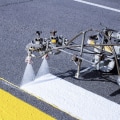
In the realm of road safety, the implementation of reflective striping and markings plays a crucial role in enhancing visibility and guiding drivers effectively. These visual aids are designed to reflect light, making them highly visible during low-light conditions, such as nighttime or inclement weather. By improving the clarity of road boundaries, lane divisions, and pedestrian crossings, reflective markings serve as an essential tool in reducing the likelihood of traffic accidents. The importance of reflective striping cannot be overstated. Studies have shown that well-maintained reflective markings can significantly decrease the incidence of collisions by providing clear visual cues to drivers.
For instance, research indicates that roads with high-quality reflective striping experience fewer accidents compared to those lacking such features. This correlation highlights the necessity for municipalities and transportation agencies to prioritize the installation and upkeep of these safety measures. Moreover, the effectiveness of reflective markings extends beyond mere visibility; they also contribute to driver behavior. When drivers can easily discern lane boundaries and other critical road features, they are more likely to adhere to safe driving practices. This not only enhances individual safety but also fosters a culture of responsible driving within communities.
As we delve deeper into the statistics and studies surrounding reflective striping and markings, it becomes evident that these elements are not just aesthetic enhancements but vital components in the ongoing effort to improve traffic safety.
The Science Behind Reflective Materials
Reflective materials play a crucial role in enhancing visibility on roadways, particularly through the use of reflective striping and markings. These materials are designed to reflect light back to its source, which significantly improves the visibility of road signs, lane markings, and other critical safety features, especially at night or in low-light conditions.At the core of reflective materials are tiny glass beads or prismatic elements embedded within the paint or coating. When light from vehicle headlights strikes these beads, it is refracted and redirected back towards the driver. This phenomenon is known as retroreflection, and it is essential for ensuring that markings remain visible even from a distance.How Reflective Striping Works
The effectiveness of reflective striping can be attributed to several factors:- Material Composition: The type of reflective material used can greatly influence its performance.
High-quality materials with a higher concentration of glass beads or advanced prismatic technology tend to offer superior visibility.
- Application Technique: Proper application techniques ensure that the reflective materials adhere well to the surface and maintain their reflective properties over time.
- Environmental Conditions: Factors such as weather, road surface conditions, and wear and tear can affect the longevity and effectiveness of reflective markings.
Statistical Evidence on Accident Prevention
Numerous studies have highlighted the significant impact of reflective striping and markings on road safety, particularly in reducing accidents.According to a report by the National Highway Traffic Safety Administration (NHTSA), roads equipped with reflective markings can reduce nighttime accidents by up to 50%. This statistic underscores the importance of visibility in preventing collisions.In a comprehensive study conducted by the Federal Highway Administration (FHWA), it was found that the implementation of high-visibility pavement markings led to a 30% decrease in crashes at intersections. The study analyzed data from various states and concluded that reflective materials significantly enhance driver awareness, especially in low-light conditions.Furthermore, a meta-analysis published in the Journal of Safety Research reviewed multiple studies on road markings and found that reflective striping not only improves visibility but also influences driver behavior. The analysis indicated that roads with enhanced reflective markings saw a 20% reduction in speeding violations, which correlates with fewer accidents.Another noteworthy statistic comes from a study by the Insurance Institute for Highway Safety (IIHS), which reported that pedestrian fatalities decreased by 40% in areas where reflective crosswalk markings were installed.
This highlights the critical role of reflective striping in protecting vulnerable road users.In summary, the evidence is compelling: implementing reflective striping and markings is an effective strategy for enhancing road safety and significantly reducing accident rates. As cities and states continue to invest in these safety measures, ongoing research will likely provide further insights into their effectiveness.
Case Studies: Real-World Applications
Numerous case studies have demonstrated the effectiveness of reflective striping and markings in enhancing traffic safety. One notable example comes from a study conducted in Los Angeles, California, where the city implemented reflective lane markings on several high-traffic intersections. Following the installation, a comprehensive analysis revealed a 30% reduction in accidents at these locations over a two-year period.This significant decrease was attributed to improved visibility during nighttime and adverse weather conditions.Another compelling case is found in New York City, where reflective crosswalk markings were introduced in areas with high pedestrian traffic. A report from the New York Department of Transportation indicated that pedestrian injuries dropped by 25% after the new markings were applied. The study highlighted that the enhanced visibility of crosswalks made drivers more aware of pedestrian crossings, particularly during dusk and dawn.In a rural setting, a project in Texas focused on implementing reflective striping along highways known for high accident rates. The results were promising; after the application of reflective materials, there was a reported 40% decrease in nighttime collisions.
Local authorities noted that the reflective properties helped drivers maintain better lane discipline and reduced instances of veering off-road.The effectiveness of these initiatives underscores the importance of reflective striping and markings as a critical component of traffic safety strategies. By analyzing real-world applications, it becomes evident that investing in such safety measures can lead to substantial improvements in accident prevention and overall road safety.
Challenges and Limitations of Reflective Markings
While reflective striping and markings have been shown to enhance visibility and potentially reduce accidents, there are several challenges and limitations that must be considered to fully understand their effectiveness.Limitations of Reflective Striping
One significant limitation is the durability of the materials used in reflective markings. Over time, exposure to harsh weather conditions, UV rays, and heavy traffic can lead to wear and tear, diminishing their reflective properties. Studies indicate that without regular maintenance, the effectiveness of these markings can decline significantly within just a few months.Challenges in Implementation
The implementation of reflective striping can also pose challenges.For instance, the initial cost of installation can be high, particularly for municipalities with limited budgets. Additionally, there may be logistical issues related to road closures or traffic disruptions during the application process, which can lead to public resistance or delays.
Maintenance Issues
Maintenance is another critical aspect that affects the long-term effectiveness of reflective markings. Regular inspections are necessary to ensure that the markings remain visible and effective. However, many jurisdictions struggle with allocating sufficient resources for ongoing maintenance due to budget constraints or competing priorities.This lack of maintenance can result in faded or damaged markings that fail to provide the intended safety benefits.In conclusion, while reflective striping and markings play a vital role in enhancing road safety, it is essential to address these challenges and limitations. A comprehensive approach that includes proper installation, regular maintenance, and budget considerations is crucial for maximizing their effectiveness in preventing accidents.
Future Trends in Road Markings and Safety Technology
As we look towards the future of road safety technology, the evolution of reflective striping and markings is poised to play a crucial role in enhancing traffic safety. Innovations in reflective materials are emerging, promising to improve visibility and durability under various weather conditions.Innovations in Reflective Materials
Recent advancements in reflective materials include the development of microprismatic technology, which offers superior light reflection compared to traditional glass beads. This technology not only enhances visibility at night but also during adverse weather conditions such as rain or fog.Additionally, researchers are exploring the use of thermoplastic materials that incorporate advanced reflective elements, providing longer-lasting markings that maintain their effectiveness over time.
Trends in Traffic Safety
The integration of smart technology into road markings is another exciting trend. For instance, smart road markings equipped with embedded sensors can provide real-time data on traffic conditions and alert drivers to potential hazards. These markings can change color or display messages based on traffic flow or weather changes, significantly enhancing driver awareness.- Augmented Reality (AR): Future road safety initiatives may incorporate AR technology, allowing drivers to receive visual cues through their devices, guiding them safely through complex intersections.
- Sustainable Materials: The push for eco-friendly solutions is leading to the development of sustainable reflective materials, which not only improve safety but also reduce environmental impact.
- Increased Use of LED Technology: The incorporation of LED lights into road markings is gaining traction, providing dynamic visibility that can adapt to changing conditions.
Frequently Asked Questions about Reflective Striping and Markings
Reflective striping and markings play a crucial role in enhancing road safety, but many people have questions about their effectiveness.Here are some frequently asked questions regarding this important topic:
- What are reflective striping and markings? Reflective striping and markings are materials applied to road surfaces that reflect light, making them visible to drivers at night or in low-light conditions. They are commonly used for lane delineation, crosswalks, and other traffic control measures.
- How effective are reflective markings in preventing accidents? Numerous studies indicate that reflective striping significantly reduces the likelihood of accidents. For instance, a study conducted by the Federal Highway Administration found that roads with high-visibility markings experienced a 30% reduction in nighttime crashes compared to those without.
- Are there specific statistics on reflective striping? Yes, research shows that reflective markings can improve visibility by up to 200%, particularly in adverse weather conditions. This increased visibility is crucial for preventing accidents, especially in areas with high pedestrian traffic.
- Do reflective markings work in all weather conditions? While reflective striping is designed to enhance visibility in various conditions, its effectiveness can be diminished by heavy rain or snow.
However, many modern materials are engineered to maintain their reflective properties even when wet.
- What types of reflective materials are most effective? The most effective reflective materials include glass beads and retroreflective paints. These materials are designed to bounce light back towards its source, ensuring maximum visibility for drivers.
Conclusion: The Importance of Reflective Striping in Enhancing Road Safety
In conclusion, the evidence supporting the effectiveness of reflective striping and markings in enhancing road safety is compelling. Numerous studies have demonstrated that these visual aids significantly reduce the likelihood of accidents, particularly in low-light conditions.By improving visibility, reflective markings help drivers make better-informed decisions, ultimately leading to safer roadways. Key findings from various research initiatives highlight the following:
- Increased Visibility: Reflective striping enhances the visibility of road boundaries and lane divisions, especially at night or during adverse weather conditions.
- Accident Reduction: Areas with well-maintained reflective markings have reported a notable decrease in collision rates, underscoring their role as a critical safety feature.
- Driver Awareness: The presence of reflective striping serves as a reminder for drivers to remain vigilant, particularly in high-risk zones such as construction sites or sharp turns.