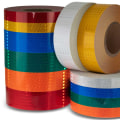
Reflective striping and markings play a crucial role in enhancing the visibility and safety of vehicles on the road. These markings are designed to reflect light, making vehicles more noticeable, especially in low-light conditions or adverse weather. Understanding what constitutes reflective striping is essential for both vehicle owners and operators, as well as regulatory bodies that enforce safety standards. There are various types of vehicle markings, each serving a specific purpose. For instance, emergency vehicles often utilize bold, high-visibility patterns to ensure they can be seen quickly during emergencies.
Similarly, commercial vehicles may employ reflective striping to comply with federal regulations while also enhancing their visibility to other drivers. The design and placement of these markings can vary significantly based on the type of vehicle and its intended use. The materials used in reflective striping are equally important. Typically, these materials include retroreflective sheeting or paint that contains glass beads or prismatic elements. These components work together to reflect light back towards its source, thereby increasing visibility.
The choice of material can affect not only the effectiveness of the markings but also their durability and longevity under various environmental conditions. In summary, a solid understanding of reflective striping and markings is foundational for grasping the regulatory landscape surrounding vehicle safety. As we delve deeper into the specific regulations governing these essential features, it becomes clear that compliance is not just about meeting legal requirements; it’s about ensuring safety for all road users.
Federal Regulations on Reflective Striping
Understanding the federal regulations surrounding reflective striping and markings on vehicles is crucial for compliance and safety. The primary authority governing these regulations is the Department of Transportation (DOT), which sets forth guidelines to ensure that vehicles are adequately marked for visibility, especially in low-light conditions.The DOT's Federal Motor Carrier Safety Administration (FMCSA) outlines specific requirements for commercial vehicles. These regulations mandate that certain types of vehicles, such as trucks and buses, must have reflective markings to enhance their visibility on the road.The guidelines specify:
- Placement: Reflective striping must be positioned on the rear and sides of the vehicle to maximize visibility from various angles.
- Color: The reflective materials used must meet specific color standards, typically requiring a combination of red and white for optimal contrast against the vehicle's base color.
- Material Standards: The materials used for reflective striping must comply with the specifications outlined in the Federal Specification for Retroreflective Sheeting, ensuring durability and effectiveness.
State-Specific Regulations for Reflective Markings
When it comes to reflective striping and markings on vehicles, regulations can vary significantly from state to state. Understanding these differences is crucial for vehicle owners and operators to ensure compliance and enhance safety on the roads.State Vehicle Marking Laws
- California: In California, commercial vehicles are required to have reflective markings that meet specific visibility standards.
The California Vehicle Code mandates that these markings must be placed on the rear and sides of the vehicle to improve visibility during low-light conditions.
- Texas: Texas regulations stipulate that all emergency vehicles must have reflective striping that is at least two inches wide. The striping must be placed in a manner that enhances visibility from all angles, particularly at night.
- Florida: Florida law requires that all trucks over a certain weight limit display reflective markings on their rear. The state emphasizes the use of high-visibility colors such as yellow or orange for these markings.
Differences in State Laws
The differences in state laws regarding reflective striping can lead to confusion, especially for interstate operators. For instance, while some states may require reflective markings only for commercial vehicles, others extend these requirements to all types of vehicles, including personal cars and motorcycles.
Additionally, the specifications regarding the size, color, and placement of these markings can differ widely.It is essential for vehicle owners to consult their local Department of Motor Vehicles (DMV) or equivalent authority to understand the specific requirements applicable in their state. This not only ensures compliance but also contributes to overall road safety by making vehicles more visible to other drivers.
Industry Standards for Reflective Striping and Markings
Understanding the industry standards for reflective striping and markings is crucial for ensuring safety and compliance in vehicle operations. Various organizations have established guidelines that govern the use of reflective materials, particularly in the context of commercial vehicles and fleet operations.ANSI Standards
The American National Standards Institute (ANSI) plays a significant role in setting standards for reflective materials used on vehicles. ANSI/ISEA 107 is one of the key standards that outlines the performance requirements for high-visibility safety apparel, which includes guidelines for reflective striping.This standard specifies the minimum amount of reflective material required, as well as the placement and configuration of these markings to enhance visibility in low-light conditions.
ISO Regulations
The International Organization for Standardization (ISO) also provides regulations that impact the use of reflective materials. ISO 9001 focuses on quality management systems, which can influence manufacturers of reflective materials to ensure their products meet specific quality benchmarks. Additionally, ISO 7010 establishes standardized safety signs, which may include markings that utilize reflective materials to convey important information effectively.Importance for Manufacturers and Fleet Operators
For manufacturers and fleet operators, adhering to these standards is not just about compliance; it’s about enhancing safety on the roads. Vehicles equipped with proper reflective striping and markings are more visible to other drivers, especially during nighttime or adverse weather conditions.This visibility can significantly reduce the risk of accidents.Moreover, compliance with ANSI and ISO standards can also improve a company’s reputation and reliability in the industry. By investing in high-quality reflective materials that meet these standards, businesses can demonstrate their commitment to safety and operational excellence.In conclusion, staying informed about industry standards related to reflective striping and markings is essential for anyone involved in vehicle manufacturing or fleet management. By following these guidelines, companies can ensure they are providing safe and compliant vehicles on the road.
Best Practices for Applying Reflective Striping
Applying reflective striping and markings on vehicles is crucial for enhancing visibility and safety, especially in low-light conditions. To ensure that these materials are effective and long-lasting, it is essential to follow best practices during application and maintenance.How to Apply Reflective Striping
- Surface Preparation: Before applying reflective materials, clean the surface thoroughly.
Remove any dirt, grease, or old adhesive residues to ensure proper adhesion.
- Temperature Considerations: Apply reflective striping in suitable weather conditions. Ideally, temperatures should be between 50°F and 90°F (10°C to 32°C) for optimal adhesion.
- Alignment and Positioning: Carefully measure and mark the areas where the striping will be applied. Use a straight edge or tape to ensure that the markings are straight and evenly spaced.
- Application Technique: Peel back a small section of the backing and press the reflective material onto the surface, smoothing it out to avoid air bubbles. Gradually peel away the backing while continuing to apply pressure.
Best Practices for Vehicle Markings
- Use High-Quality Materials: Invest in high-quality reflective materials that meet industry standards for durability and reflectivity.
- Follow Manufacturer Guidelines: Always adhere to the manufacturer's instructions regarding application techniques and curing times.
- Regular Inspections: Conduct routine checks on the condition of the reflective striping.
Look for signs of wear, fading, or peeling that may compromise visibility.
Maintenance of Reflective Materials
- Cleansing: Clean reflective surfaces with mild soap and water. Avoid harsh chemicals that can degrade the material.
- Repairing Damage: If you notice any damage or wear, replace affected sections promptly to maintain safety standards.
- Avoid Obstructions: Ensure that no objects obstruct the reflective markings, as this can reduce their effectiveness in enhancing visibility.
Common Questions About Reflective Striping Regulations
Understanding the regulations surrounding reflective striping & markings on vehicles can be complex. Here are some common questions that arise:What are the general requirements for reflective striping on commercial vehicles?
Most states require commercial vehicles to have reflective striping to enhance visibility, especially during low-light conditions. The specific requirements can vary by state, but generally, the striping must be placed on the rear and sides of the vehicle.It should be made from high-visibility materials that meet federal standards.
Are there different regulations for emergency vehicles?
Yes, emergency vehicles often have distinct regulations regarding markings. These vehicles typically require more extensive use of reflective materials to ensure they are easily seen in all conditions. The colors and patterns may also differ, with many jurisdictions mandating specific colors like red or fluorescent yellow.How can I ensure compliance with local laws?
The best way to ensure compliance is to consult your local Department of Motor Vehicles (DMV) or equivalent authority. They can provide detailed information on the specific reflective striping requirements in your area.Additionally, reviewing the Federal Motor Carrier Safety Administration (FMCSA) guidelines can offer insights into national standards.
What penalties exist for non-compliance?
Failure to adhere to reflective marking regulations can result in fines, vehicle impoundment, or increased liability in case of an accident. It's crucial for vehicle owners and operators to stay informed about these regulations to avoid potential legal issues.Can I apply reflective striping myself?
While it is possible to apply reflective striping yourself, it is recommended to hire professionals who understand the regulations and can ensure proper placement and material quality. This not only guarantees compliance but also enhances safety on the road. If you have further questions about reflective striping & markings, consider reaching out to industry experts or local authorities for guidance.Conclusion: The Importance of Compliance with Reflective Markings Regulations
In conclusion, understanding and adhering to regulations regarding reflective striping and markings on vehicles is not just a matter of compliance; it is a critical aspect of ensuring safety on the roads. These regulations are designed to enhance visibility, particularly in low-light conditions, thereby reducing the risk of accidents.Throughout this article, we have explored various facets of reflective striping and markings, including their importance in different vehicle types, the specific standards set by regulatory bodies, and the potential consequences of non-compliance.It is essential for vehicle owners, fleet managers, and manufacturers to stay informed about these regulations to protect not only their interests but also the lives of drivers and pedestrians alike.
- Enhanced Visibility: Properly applied reflective markings significantly improve a vehicle's visibility at night or in adverse weather conditions.
- Legal Compliance: Adhering to local and federal regulations helps avoid fines and legal repercussions.
- Safety Benefits: Increased visibility contributes to overall road safety, reducing the likelihood of collisions.