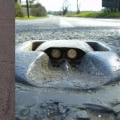
Reflective striping and markings play a crucial role in enhancing safety and visibility on roadways, parking lots, and various other surfaces. These visual aids are designed to reflect light, making them highly visible during low-light conditions such as nighttime or inclement weather. The primary purpose of reflective striping is to guide drivers and pedestrians, delineate lanes, and indicate hazards, thereby reducing the likelihood of accidents. As such, their presence is not merely decorative; it is essential for maintaining order and safety in our environments.Over time, however, reflective striping and markings can become worn or damaged due to factors like weather conditions, heavy traffic, or physical wear.
When this occurs, their effectiveness diminishes significantly, leading to potential safety hazards. This degradation underscores the importance of regular maintenance and timely removal of old or damaged markings. Understanding the process for removing these elements is vital for ensuring that new, effective striping can be applied in their place.In this article, we will explore the various methods used to remove old or damaged reflective striping and markings. By delving into the techniques and tools involved, we aim to provide a comprehensive understanding of how to maintain these critical safety features effectively.
Whether you are a property manager, a contractor, or simply someone interested in roadway safety, grasping the significance of reflective striping and the process for its upkeep is essential for fostering safer environments.
Signs That Reflective Striping Needs Removal
Recognizing when to remove reflective striping and markings is crucial for maintaining safety and visibility on roadways. Several indicators can signal that these markings have deteriorated and require removal.- Fading Colors: One of the most apparent signs is the fading of colors. If the bright hues of the reflective striping have dulled significantly, it may no longer provide adequate visibility, especially at night or in poor weather conditions.
- Cracking or Peeling: Inspect the surface for any signs of cracking or peeling. Damaged markings can lead to further deterioration and may pose a hazard to drivers and pedestrians.
- Loss of Reflectivity: The primary purpose of reflective markings is to enhance visibility.
If you notice that the reflective properties are diminished, it’s a clear indication that the striping needs to be replaced.
- Physical Damage: Look for any physical damage caused by weather, heavy traffic, or construction activities. Scrapes, gouges, or complete removal of sections can compromise the effectiveness of the markings.
- Accumulation of Debris: If dirt, grime, or other debris has built up on the surface and cannot be cleaned effectively, it may obscure the markings' visibility, necessitating removal.
Tools and Materials Needed for Removal
Removing old or damaged reflective striping and markings requires specific tools and materials to ensure the process is efficient and effective. Below is a comprehensive list of essential items you will need to prepare for the removal process.Essential Tools
- Heat Gun or Torch: A heat gun or propane torch is crucial for softening the adhesive beneath the reflective striping, making it easier to peel off.
- Scraper or Putty Knife: A sturdy scraper or putty knife helps lift the edges of the striping without damaging the underlying surface.
- Pressure Washer: For larger areas, a pressure washer can assist in removing stubborn markings by applying high-pressure water.
- Utility Knife: A utility knife is useful for cutting through any remaining adhesive or for trimming the edges of the striping.
Materials Required
- Adhesive Remover: A commercial-grade adhesive remover can help dissolve any leftover glue after the striping has been removed.
- Protective Gear: Safety goggles, gloves, and a mask are essential to protect yourself from debris and harmful chemicals during the removal process.
Additional Equipment
- Drop Cloths: Use drop cloths to protect surrounding areas from debris and adhesive residue.
- Buckets and Rags: Have buckets for mixing cleaning solutions and rags for wiping down surfaces after removal.
Proper preparation not only saves time but also minimizes potential damage to the surface beneath the markings.
Step-by-Step Process for Removing Reflective Striping
Removing reflective striping and markings can be a meticulous process, but with the right approach, it can be done efficiently. Here’s a step-by-step guide to help you through the removal process:- Assess the Area: Before starting, evaluate the condition of the reflective striping. Check for any damage or wear that may affect the removal process.
- Gather Necessary Tools: Equip yourself with the following tools:
- Heat gun or propane torch
- Scraper or putty knife
- Solvent or adhesive remover
- Protective gloves and eyewear
- Rags or paper towels
- Heat the Striping: Use a heat gun or propane torch to warm up the reflective striping. This softens the adhesive, making it easier to peel off.
Be cautious not to overheat and damage the underlying surface.
- Peel Off the Striping: Once heated, use a scraper or putty knife to gently lift one edge of the striping. Slowly pull it away from the surface at a 45-degree angle. If it resists, apply more heat.
- Remove Residual Adhesive: After removing the striping, you may find adhesive residue left on the surface. Apply a solvent or adhesive remover to a rag and gently rub the area until clean.
- Clean the Surface: Once all markings and adhesive are removed, clean the area with soap and water to ensure no chemicals remain.
Always remember to follow safety precautions when using heat and chemicals.
Safety Precautions During Removal
When it comes to the removal of reflective striping & markings, ensuring safety is paramount. The process can involve various hazards, and taking the right precautions can protect both workers and the environment. Before beginning the removal process, it is essential to conduct a thorough risk assessment. This assessment should identify potential hazards such as:- Exposure to harmful chemicals used in the removal process.
- Injury from equipment or tools.
- Traffic hazards if the work is being done on roadways.
- Personal Protective Equipment (PPE): Always wear appropriate PPE, including gloves, goggles, and respiratory protection if necessary. This gear will help shield you from chemical exposure and physical injuries.
- Traffic Control Measures: If working near roadways, implement proper traffic control measures.
Use cones, barriers, and warning signs to alert drivers and ensure a safe working environment.
- Ventilation: Ensure adequate ventilation when using chemical removers. This is crucial to prevent inhalation of toxic fumes that may be released during the process.
- Training: Ensure that all personnel involved in the removal process are adequately trained in safety protocols and emergency procedures. This training should cover the proper use of equipment and handling of hazardous materials.
Using eco-friendly removal methods can also minimize environmental impact. By adhering to these safe practices for reflective markings removal, you can significantly reduce risks associated with the process while ensuring a successful outcome.
Post-Removal Considerations
After successfully removing old or damaged reflective striping and markings, it is crucial to take the right steps to ensure the surface is adequately prepared for new applications. Proper post-removal procedures can significantly enhance the longevity and effectiveness of the new markings.Assessing the Surface
Begin by thoroughly inspecting the surface where the reflective striping was removed. Look for any signs of damage, such as cracks, holes, or uneven areas that may need repair. Addressing these issues before applying new markings is essential for achieving a smooth and durable finish.Cleaning the Area
Next, clean the surface to remove any residual adhesive, dirt, or debris left from the old markings.This can be done using:
- Pressure washing: Effective for removing stubborn residues.
- Solvents: Use appropriate solvents to dissolve any remaining adhesive.
- Scrubbing: Manual scrubbing may be necessary for tough spots.
Surface Preparation
Once cleaned, consider applying a primer or sealant if the surface material requires it. This step can help improve adhesion for the new reflective markings. Follow these guidelines:- Select a compatible primer: Ensure it is suitable for the surface type and compatible with the new marking materials.
- Apply evenly: Use a roller or sprayer to apply a uniform coat, allowing adequate drying time as per manufacturer instructions.
Frequently Asked Questions About Reflective Striping Removal
When it comes to the removal of reflective striping and markings, several common questions arise.Understanding these can help ensure a smoother process and better outcomes.
What methods are used for removing reflective striping?
There are several effective methods for removing reflective striping:- Mechanical Removal: This involves using tools like grinders or scarifiers to physically remove the markings. It is effective but can be labor-intensive.
- Chemical Removal: Specialized solvents can dissolve the adhesive used in reflective markings, making them easier to scrape off. This method is less abrasive but requires careful handling of chemicals.
- Thermal Removal: Heat guns or torches can be used to soften the material, allowing for easier removal. However, this method requires caution to avoid damaging the underlying surface.
Are there any safety concerns during the removal process?
Yes, safety is paramount when removing reflective striping and markings.Here are some considerations:
- Protective Gear: Always wear appropriate protective equipment, including gloves, goggles, and masks, especially when using chemicals or power tools.
- Ventilation: Ensure that the area is well-ventilated if using chemical solvents to avoid inhalation of harmful fumes.
- Surface Damage: Be cautious with mechanical methods as they can damage the underlying pavement if not done correctly.
What should I do after removing reflective markings?
After successfully removing the reflective striping, it’s essential to:- Clean the Surface: Remove any residue left from the removal process to prepare for new markings.
- Inspect for Damage: Check the surface for any damage that may need repair before applying new striping.
- Reapply Markings: Consider reapplying new reflective striping as soon as possible to maintain visibility and safety.
Conclusion: Key Takeaways on Reflective Striping Removal
In conclusion, the process of removing old or damaged reflective striping and markings is crucial for maintaining safety and visibility on roadways and parking lots. Proper removal techniques not only enhance the aesthetic appeal of surfaces but also ensure that new markings adhere effectively, providing clear guidance to drivers and pedestrians.Here are the key takeaways regarding the removal process:- Assessment: Before beginning the removal, it is essential to assess the condition of the existing reflective striping. This includes determining the type of material used and the extent of damage.
- Choosing the Right Method: Depending on the surface and type of marking, various methods such as grinding, chemical removal, or high-pressure washing may be employed. Each method has its advantages and should be selected based on specific project needs.
- Safety Precautions: Always prioritize safety by wearing appropriate personal protective equipment (PPE) and ensuring that the work area is well-marked to prevent accidents.
- Environmental Considerations: Be mindful of environmental regulations when disposing of removed materials.
Using eco-friendly methods can minimize impact.
- Professional Help: For extensive or complex projects, consider hiring professionals who specialize in reflective striping and markings. Their expertise can save time and ensure compliance with local regulations.