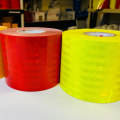
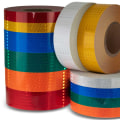
In the realm of road safety and urban planning, reflective striping and markings play a crucial role in enhancing visibility, particularly during nighttime. These elements are designed to reflect light, making them highly visible to drivers and pedestrians alike. As darkness falls, the effectiveness of traditional road markings diminishes significantly; however, reflective materials ensure that vital information—such as lane boundaries, crosswalks, and hazard warnings—remains clear and discernible.The primary purpose of reflective striping is to improve safety by reducing the likelihood of accidents. When vehicles approach illuminated markings, the light from their headlights is reflected back, creating a striking contrast against the dark surroundings.
This not only aids in navigation but also alerts drivers to potential hazards ahead. For instance, reflective markings on road signs or barriers can prevent collisions by drawing attention to critical information that might otherwise go unnoticed in low-light conditions.Moreover, the importance of visibility at night cannot be overstated. Studies have shown that a significant percentage of traffic accidents occur after sunset, highlighting the need for effective solutions to enhance nighttime visibility. By incorporating reflective materials into road design, cities can create safer environments for all users—drivers, cyclists, and pedestrians alike.
As we delve deeper into the benefits of reflective striping and markings, it becomes evident that these simple yet effective tools are essential for promoting safety and reducing accidents on our roads.
The Science Behind Reflective Materials
Understanding how reflective materials work is essential for appreciating their role in enhancing visibility, especially at night. At the core of these materials is the principle of retroreflectivity, which allows light to be redirected back to its source. This means that when a vehicle's headlights shine on reflective striping or markings, the light is bounced back towards the driver, making the markings highly visible even in low-light conditions.There are several types of reflective materials used in striping and markings:- Glass Beads: These are small spheres embedded in the surface of the material. They work by refracting light and directing it back to the source, creating a bright reflection.
- Microprismatic Materials: These utilize tiny prisms to reflect light.
They are often more efficient than glass beads and can provide greater visibility at wider angles.
- High-Intensity Prismatic Sheeting: This type combines microprismatic technology with a durable backing, making it suitable for high-traffic areas where visibility is critical.
Benefits of Reflective Striping for Road Safety
Reflective striping and markings play a crucial role in enhancing road safety, particularly during nighttime driving conditions. The primary benefit of these markings is their ability to improve visibility, allowing drivers to better navigate roads and avoid potential hazards.According to the National Highway Traffic Safety Administration (NHTSA), nearly 50% of all traffic fatalities occur at night, despite lower overall traffic volumes.This alarming statistic underscores the importance of effective visibility measures, such as reflective striping. By reflecting light from vehicle headlights, these markings significantly increase the chances of drivers spotting lane boundaries, road signs, and other critical information.
- Accident Prevention: Studies have shown that roads equipped with reflective striping experience a notable decrease in accidents. For instance, a report from the Federal Highway Administration indicated that reflective markings can reduce nighttime crashes by up to 30%.
- Enhanced Driver Awareness: Reflective striping not only aids in navigation but also serves as a visual cue that alerts drivers to potential dangers ahead, such as sharp turns or pedestrian crossings.
- Increased Compliance: Well-marked roads encourage compliance with traffic regulations. Drivers are more likely to adhere to speed limits and lane changes when they can clearly see the road markings.
With advancements in technology, reflective striping can withstand harsh weather conditions and maintain its visibility over time, providing ongoing safety benefits for both drivers and pedestrians.In conclusion, the implementation of reflective striping and markings is a vital component of road safety strategies. By improving visibility at night, these markings not only help prevent accidents but also foster a safer driving environment for everyone on the road.
Applications of Reflective Striping in Different Environments
Reflective striping and markings play a crucial role in enhancing visibility across various environments, particularly in urban and rural settings. Their applications are diverse, serving not only to guide traffic but also to ensure safety for pedestrians and cyclists.Urban Environments
In urban areas, where traffic density is high, reflective striping is essential for maintaining order on the roads. These markings are commonly used on:- Roadways: Reflective lines help delineate lanes, making it easier for drivers to navigate through busy intersections and highways.
- Pavement Markings: Crosswalks and bike lanes are often highlighted with reflective materials to ensure they are visible at night, reducing the risk of accidents.
- Parking Lots: Clear markings in parking areas assist drivers in parking safely and efficiently, especially in low-light conditions.
Rural Environments
In contrast, rural areas may have less ambient light, making reflective striping even more critical.Here, the applications include:
- Road Edges: Reflective markings along the edges of roads help drivers stay on course, particularly on winding or unlit roads.
- Warning Signs: Reflective materials on signs alert drivers to potential hazards such as sharp turns or animal crossings.
Traffic Control
The use of reflective striping extends into traffic control measures as well. Traffic cones, barriers, and other control devices often incorporate reflective elements to enhance visibility during nighttime operations or adverse weather conditions. This ensures that both drivers and pedestrians can easily identify these important safety features. Overall, the versatility of reflective striping and markings makes them indispensable in promoting safety and efficiency in both urban and rural environments. Their ability to reflect light significantly improves visibility, thereby reducing the likelihood of accidents and enhancing overall road safety.Case Studies: Successful Implementation of Reflective Striping
Reflective striping and markings have proven their effectiveness in enhancing visibility in various real-world scenarios.Here are some notable case studies that illustrate successful implementations:
- City of San Diego, California: In 2019, San Diego implemented reflective striping on major roadways to improve nighttime visibility for both drivers and pedestrians. Following the installation, the city reported a 30% reduction in nighttime accidents, particularly in high-traffic areas. The reflective markings helped drivers identify lane boundaries and pedestrian crossings more easily.
- State of New York: New York's Department of Transportation introduced reflective striping on highway exit ramps in 2020. This initiative aimed to enhance safety for drivers navigating complex interchanges at night.
Post-implementation studies indicated a significant decrease in confusion-related incidents, with a 25% drop in accidents attributed to improved visibility.
- University of Florida Campus: The university installed reflective markings on bike lanes and pedestrian paths to protect students and faculty during evening hours. Feedback from the campus community highlighted increased confidence in using these pathways after dark, leading to a reported 40% increase in nighttime foot and bike traffic.
Challenges and Limitations of Reflective Striping
While reflective striping and markings significantly enhance visibility at night, they are not without their challenges and limitations.Understanding these factors is crucial for effective implementation and maintenance.
Maintenance Issues
One of the primary challenges associated with reflective striping is the need for regular maintenance. Over time, environmental factors such as weather conditions, traffic wear, and road surface degradation can diminish the effectiveness of reflective materials. For instance:- Weather Conditions: Rain, snow, and extreme temperatures can affect the adhesion and visibility of reflective striping. Prolonged exposure to moisture can lead to peeling or fading.
- Traffic Wear: Heavy vehicle traffic can erode the reflective surface, reducing its brightness and effectiveness.
This necessitates frequent inspections and potential reapplication.
Environmental Factors
The effectiveness of reflective markings can also be influenced by environmental factors. For example:- Lighting Conditions: In areas with excessive ambient light, such as urban settings, the visibility of reflective striping may be compromised. This can lead to drivers overlooking important markings.
- Surface Material: The type of road surface can impact how well reflective materials adhere and perform. Rough or uneven surfaces may not provide optimal conditions for longevity.
Addressing these issues proactively can help ensure that reflective markings remain effective over time.
Future Trends in Reflective Striping Technology
As we look to the future, reflective striping technology is poised for significant advancements that promise to enhance visibility and safety on our roads. Innovations in this field are not only focused on improving the materials used but also on integrating technology that can adapt to changing conditions.Smart Road Markings
One of the most exciting developments is the emergence of smart road markings. These markings utilize embedded sensors and LED technology to provide real-time information to drivers. For instance, they can change color or intensity based on weather conditions, traffic flow, or even the presence of pedestrians.This dynamic approach ensures that visibility is optimized at all times, significantly reducing the risk of accidents.
Advanced Materials
In addition to smart technologies, researchers are exploring new materials that enhance the reflective properties of striping and markings. Innovations such as photoluminescent materials can absorb sunlight during the day and emit a glow at night, providing an additional layer of visibility without relying solely on vehicle headlights. These materials not only improve safety but also reduce energy consumption associated with traditional lighting.Integration with Autonomous Vehicles
As autonomous vehicles become more prevalent, the role of reflective striping will evolve. Future road markings may be designed specifically for machine readability, allowing self-driving cars to navigate more safely and efficiently.This integration could lead to standardized markings that communicate directly with vehicle systems, enhancing overall road safety.The future of reflective striping technology is bright, with innovations that promise to make our roads safer for everyone. By embracing these advancements, we can ensure that visibility remains a top priority in urban planning and road safety initiatives.
FAQs About Reflective Striping and Markings
Reflective striping and markings play a crucial role in enhancing visibility, especially at night. Here are some frequently asked questions that can help clarify their importance:- How do reflective striping and markings work?
Reflective materials are designed to bounce light back towards its source. When vehicle headlights shine on reflective striping, the light is reflected back, making the markings visible from a distance.This is particularly important for road safety, as it helps drivers identify lanes, hazards, and other critical information.
- What types of reflective materials are used?
Common materials include glass beads and microprismatic elements. Glass beads are embedded in the paint or applied as a top layer, while microprismatic materials use tiny prisms to enhance reflectivity. Both types significantly improve visibility under low-light conditions. - Are reflective markings effective in all weather conditions?
Yes, reflective striping is designed to maintain visibility in various weather conditions, including rain and fog. However, the effectiveness can be reduced if the surface is dirty or worn down.Regular maintenance is essential to ensure optimal performance.
- Can reflective striping reduce accidents?
Absolutely! Studies have shown that areas with well-maintained reflective markings experience fewer accidents at night. By improving visibility, these markings help drivers make better decisions and navigate safely. - Where are reflective striping and markings commonly used?
You can find them on roads, highways, parking lots, and even on bicycles and safety vests. Their application extends beyond roadways to any area where visibility is crucial for safety.
Conclusion: The Importance of Reflective Striping for Nighttime Visibility
In conclusion, the role of reflective striping and markings in enhancing nighttime visibility cannot be overstated. As we have explored, these vital safety features significantly improve the ability of drivers to see road boundaries, lane divisions, and important signage after dark.This is particularly crucial in areas with low lighting conditions, where the risk of accidents increases dramatically.Reflective materials work by reflecting light back to its source, making them highly effective in low-visibility situations. When headlights shine on reflective striping, they illuminate the markings, providing clear guidance to drivers. This not only aids in navigation but also helps in preventing collisions by clearly delineating safe driving paths.
- Enhanced Safety: The presence of reflective striping reduces the likelihood of accidents by making road features more visible.
- Increased Awareness: Drivers are more likely to notice critical information such as stop lines and pedestrian crossings when they are marked with reflective materials.
- Cost-Effective Solution: Investing in reflective striping is a relatively low-cost measure that can lead to significant reductions in nighttime accidents.
By ensuring that these features are visible and well-maintained, we can create safer driving environments for everyone.