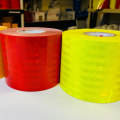
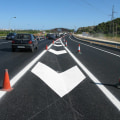
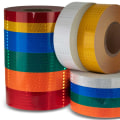
Reflective striping and markings play a crucial role in enhancing safety and visibility on roadways, parking lots, and various other surfaces. These visual aids are designed to reflect light, making them highly visible during low-light conditions such as nighttime or inclement weather. The primary purpose of reflective striping is to guide drivers and pedestrians, delineate lanes, and indicate important information such as stop lines and crosswalks. By improving visibility, these markings help prevent accidents and ensure a safer environment for all road users.The effectiveness of reflective markings is largely dependent on their quality and maintenance.
Over time, exposure to harsh weather conditions, heavy traffic, and general wear can diminish their reflective properties. This degradation not only reduces visibility but can also lead to confusion among drivers and pedestrians, increasing the risk of accidents. Therefore, understanding the lifespan of these markings is essential for maintaining safety standards on our roads.As we delve deeper into the topic, it becomes evident that regular inspection and timely replacement of reflective striping and markings are vital components of effective roadway management. By ensuring that these safety features remain in optimal condition, we can significantly enhance the overall safety of our transportation systems.
In the following sections, we will explore the factors that influence the longevity of these markings and discuss best practices for their maintenance and replacement.
Factors Affecting the Longevity of Reflective Striping and Markings
The longevity of reflective striping and markings is influenced by several critical factors that can significantly affect their performance and visibility over time. Understanding these factors is essential for effective maintenance and timely replacement.Environmental Conditions
One of the primary factors affecting the lifespan of reflective striping and markings is the environmental conditions in which they are placed. Elements such as:- UV Exposure: Prolonged exposure to sunlight can degrade the reflective materials, causing them to lose their brightness and effectiveness.
- Moisture: Rain, snow, and humidity can lead to wear and tear, especially if water seeps beneath the markings, causing them to peel or fade.
- Temperature Fluctuations: Extreme heat or cold can cause materials to expand and contract, leading to cracking or other forms of damage.
Traffic Volume
The amount of traffic a road experiences also plays a significant role in determining how long reflective striping and markings last. High traffic volumes can lead to:- Physical Wear: Frequent vehicle movement can physically wear down the markings, especially in areas with heavy braking or turning.
- Pollution: Dust, oil, and other pollutants from vehicles can accumulate on the surface, diminishing reflectivity and visibility.
Material Quality
The quality of materials used in reflective striping and markings is another crucial factor.Higher-quality materials tend to have better durability and resistance to environmental stressors. Key aspects include:
- Type of Reflective Beads: The quality and type of reflective beads used can significantly impact visibility at night or in low-light conditions.
- Adhesive Strength: Stronger adhesives ensure that markings remain intact longer, reducing the need for frequent replacements.
Signs That Reflective Striping and Markings Need Replacement
Understanding when to replace reflective striping and markings is crucial for maintaining safety on roads and pathways. Here are some key indicators that suggest it’s time for a replacement:- Fading Colors: One of the most noticeable signs of wear in reflective markings is color fading.
If the bright colors that enhance visibility begin to dull, it’s a clear indication that the markings are losing their effectiveness.
- Cracking or Peeling: Inspect the surface of the striping for any cracks or peeling edges. These physical damages can compromise the integrity of the markings, making them less visible to drivers and pedestrians.
- Reduced Reflectivity: The primary purpose of reflective striping is to enhance visibility at night or in low-light conditions. If you notice that the markings do not reflect light as they used to, it’s time to consider replacement.
- Accumulation of Dirt and Debris: Over time, dirt, grime, and other debris can accumulate on reflective markings, obscuring their visibility. Regular cleaning can help, but if the markings remain unclear after cleaning, replacement may be necessary.
- Increased Accidents or Near Misses: If there has been a noticeable increase in accidents or near misses in areas with reflective striping, it may indicate that the markings are no longer effective.
This is a serious sign that should prompt immediate action.
The Importance of Regular Maintenance for Reflective Striping
Regular maintenance of reflective striping and markings is crucial for ensuring their effectiveness and longevity. Over time, environmental factors such as weather conditions, traffic wear, and UV exposure can diminish the visibility of these markings. Therefore, conducting routine checks is essential to assess their condition and functionality.Benefits of Maintaining Reflective Striping
- Enhanced Safety: Well-maintained reflective markings significantly improve road safety by ensuring that drivers can easily identify lanes, hazards, and other critical information, especially at night or in low-light conditions.
- Cost-Effectiveness: Proactive maintenance can prevent the need for complete replacements, which can be costly.
By addressing minor wear and tear early on, you can extend the lifespan of your striping.
- Compliance with Regulations: Many jurisdictions have specific standards for road markings. Regular maintenance helps ensure compliance with these regulations, avoiding potential fines or legal issues.
Regular Checks for Visibility
It is advisable to perform visibility checks at least twice a year or after significant weather events. During these inspections, look for signs of fading, peeling, or damage. If the reflective properties are compromised, it may be time to refresh the markings.
Utilizing specialized equipment can help measure the retroreflectivity of the striping, providing a clear indication of whether they meet safety standards.In conclusion, maintaining reflective striping and markings is not just about aesthetics; it is a vital component of road safety management. By prioritizing regular maintenance checks and addressing issues promptly, you can ensure that these critical safety features remain effective and reliable for all road users.
Best Practices for Replacing Reflective Striping and Markings
Replacing reflective striping and markings is essential for maintaining visibility and safety on roadways and parking lots. Here are some best practices to ensure effective replacement:Materials Selection
- High-Quality Reflective Materials: Choose materials that meet or exceed local regulations for reflectivity and durability. Look for products that are specifically designed for the intended surface, whether asphalt, concrete, or other materials.
- Weather-Resistant Options: Ensure that the reflective striping can withstand local weather conditions, including rain, snow, and extreme temperatures.
Timing for Replacement
- Regular Inspections: Conduct regular inspections to assess the condition of existing markings.
Look for fading, peeling, or damage that may necessitate replacement.
- Optimal Weather Conditions: Schedule replacements during dry weather to ensure proper adhesion and curing of the materials.
Installation Techniques
- Surface Preparation: Clean the surface thoroughly before applying new markings. Remove any debris, oil, or old paint to ensure a strong bond.
- Proper Application: Follow manufacturer guidelines for application techniques. Use appropriate tools such as stencils or spray equipment to achieve precise lines and patterns.
- Curing Time: Allow adequate curing time before allowing traffic on newly marked areas. This ensures that the markings adhere properly and maintain their reflective properties.
Cost Considerations for Maintaining Reflective Striping and Markings
Maintaining reflective striping and markings is not just a matter of safety; it also has significant financial implications.Understanding the costs associated with both proactive maintenance and neglect can help organizations budget effectively and avoid unexpected expenses.
Cost of Replacing Reflective Markings
The cost of replacing reflective markings can vary widely based on several factors, including the type of material used, the area that needs to be covered, and local labor rates. On average, the cost can range from $1 to $5 per linear foot for basic materials. However, specialized materials designed for high visibility or durability may increase this cost significantly.Budgeting for Striping Maintenance
When budgeting for striping maintenance, it’s essential to consider not only the direct costs of materials and labor but also the frequency of required maintenance. A well-planned maintenance schedule can help spread costs over time, making it easier to manage finances.Here are some key points to consider:
- Regular Inspections: Conducting regular inspections can help identify areas that need attention before they become critical.
- Material Selection: Investing in higher-quality materials may have a higher upfront cost but can lead to lower long-term maintenance expenses.
- Seasonal Considerations: Weather conditions can affect the lifespan of reflective markings; budgeting for seasonal maintenance can mitigate damage.
Financial Impact of Neglecting Markings
Neglecting reflective striping and markings can lead to severe financial repercussions. Poor visibility due to faded or damaged markings increases the risk of accidents, which can result in liability claims and higher insurance premiums. Additionally, the cost of emergency repairs after an incident often far exceeds the cost of regular maintenance. By prioritizing maintenance, organizations not only enhance safety but also protect their bottom line.In conclusion, understanding the cost considerations associated with maintaining reflective striping and markings is crucial for effective financial planning.Proactive maintenance not only ensures safety but also proves to be a more economical choice in the long run.
FAQs About Reflective Striping and Markings Replacement
When it comes to reflective striping and markings, many people have questions about their longevity and the need for replacement. Here are some frequently asked questions that can help clarify these concerns.- How often should reflective striping be replaced?
The lifespan of reflective striping and markings can vary based on several factors, including traffic volume, weather conditions, and the quality of materials used. Generally, it is recommended to assess the condition every 1-3 years and replace them as needed. - What signs indicate that reflective markings need replacement?
Look for signs such as fading, peeling, or a significant reduction in reflectivity. If the markings are no longer visible at night or in low-light conditions, it’s time for a replacement. - Can I apply new reflective striping over old markings?
While it is possible to apply new reflective striping over old markings, it is not always advisable.Old markings can affect the adhesion of new materials and may lead to uneven surfaces. It’s best to remove the old striping before applying new layers.
- Are there specific regulations regarding reflective marking replacement?
Yes, many states have regulations that dictate the maintenance and replacement of reflective striping and markings. It’s important to consult local guidelines to ensure compliance. - What are the visibility issues associated with worn-out reflective markings?
Worn-out markings can lead to serious visibility issues, especially at night or during inclement weather. This can increase the risk of accidents as drivers may not be able to see lane boundaries or directional indicators clearly.
Regular maintenance and timely replacements are key to maintaining visibility and compliance with safety standards.
Conclusion: Ensuring Safety with Proper Maintenance of Reflective Striping and Markings
In conclusion, the maintenance and timely replacement of reflective striping and markings are crucial for ensuring safety on roadways and in various environments. As we have discussed, these markings play a vital role in guiding drivers, enhancing visibility, and preventing accidents. However, their effectiveness diminishes over time due to factors such as weather conditions, traffic wear, and fading from sunlight.To maintain optimal safety standards, it is essential to regularly assess the condition of reflective striping and markings. Here are some key points to consider:- Regular Inspections: Conduct routine checks to identify any signs of wear or fading.
This proactive approach can help in scheduling timely replacements.
- Understanding Lifespan: Familiarize yourself with the expected lifespan of different types of reflective materials. Some may require replacement every few years, while others might last longer.
- Environmental Impact: Be aware that harsh weather conditions can accelerate the deterioration of reflective striping and markings. Areas prone to heavy rain or snow may need more frequent maintenance.
- Compliance with Regulations: Ensure that all markings meet local safety regulations. Non-compliance can lead to increased liability and safety risks.
By prioritizing these elements, we can significantly reduce the risk of accidents and ensure a safer environment for all road users.